


Replacement windows in North Carolina: costs, energy specs, and how to buy without overpaying

The honest, expert guide to replacement windows for NC homes — real costs, the energy numbers that actually matter here, the NC rules nobody mentions, and how to buy without getting talked into the wrong thing.

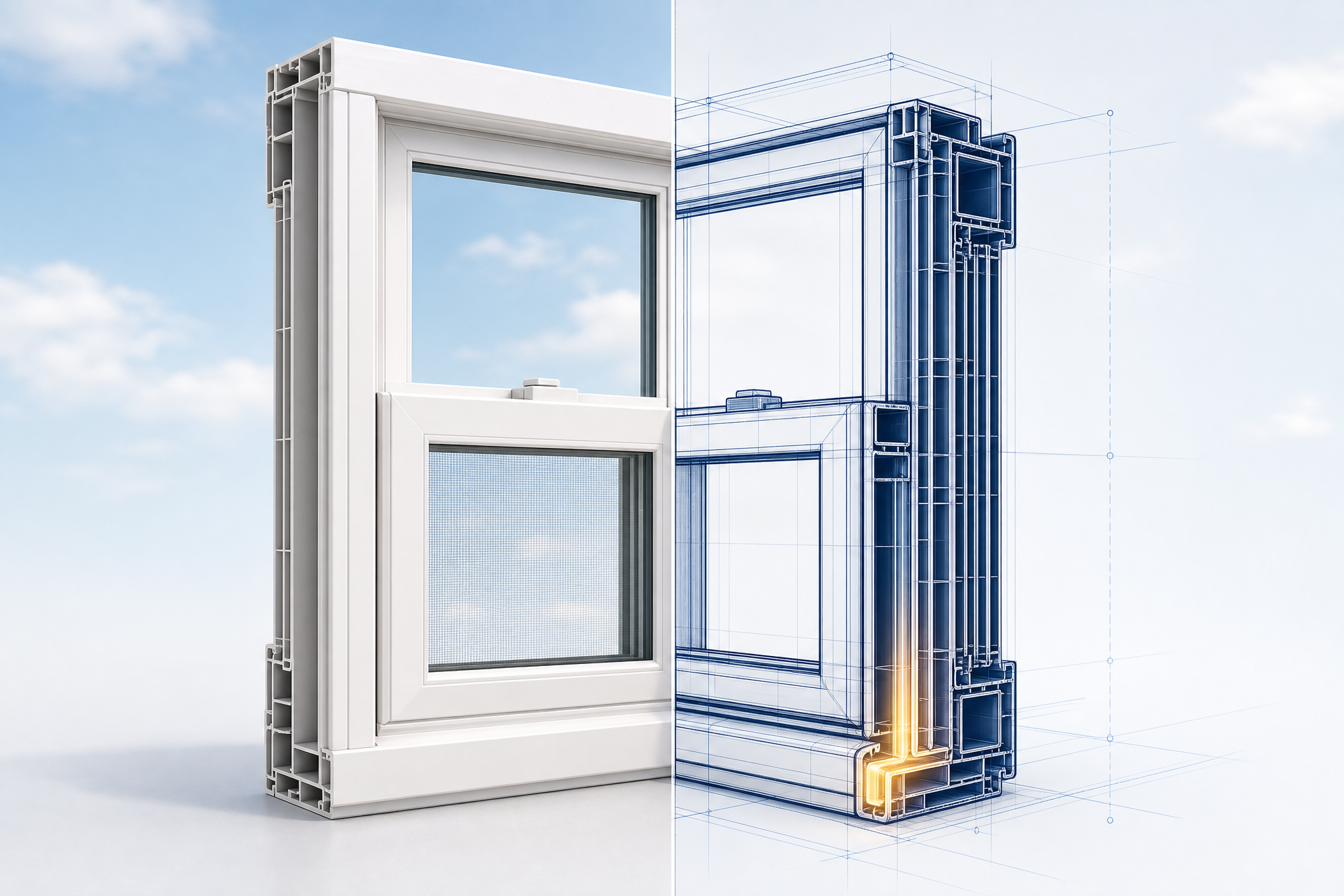
A white double-hung replacement window floating in a bright studio, its parts gently separated in mid-air like an exploded diagram — frame, sashes, insulated glass unit with spacer bar, weatherstripping, and brass sash lock all hanging apart in a shaft of golden light

You’ve got windows that stick, drafts you can feel in January, or a quote in your hand that’s a lot bigger than you expected — and now you’re facing a wall of brands, glass acronyms, and “sign tonight” numbers, trying to figure out what any of it actually means for your house.

This page is the map. Not every spec on one screen — a short, honest read on what replacement windows cost in North Carolina, the energy numbers that actually matter here, the local rules almost nobody mentions, and whether you even need to replace at all. Then I’ll point you to the deep page for each decision.

What should I know before buying replacement windows in NC — and how do I not overpay? Get three things right and the rest is detail: the glass spec for our climate (lead with SHGC ≤ 0.23 across most of the state), the install (it matters more than the brand on the box), and reading an itemized quote instead of a single discounted total. Two NC truths save you real money and worry: a straight like-for-like swap usually needs no permit here, and the federal window tax credit expired December 31, 2025 — so anyone still selling you a “$600 credit” in 2026 is quoting an expired law.

Cost ranges on this page are general national market bands, not an NC quote — a starting point to read a contractor’s number against. Energy and code facts are stated to the NC rules in effect as of 2026. Last reviewed July 2026.

What am I actually choosing?

A replacement window is really four decisions stacked together — frame material, glass package, window type, and how it gets installed — and the showroom stops being overwhelming once you separate them.

Here’s the quick version of each, with the deep page for when you’re ready to go further:

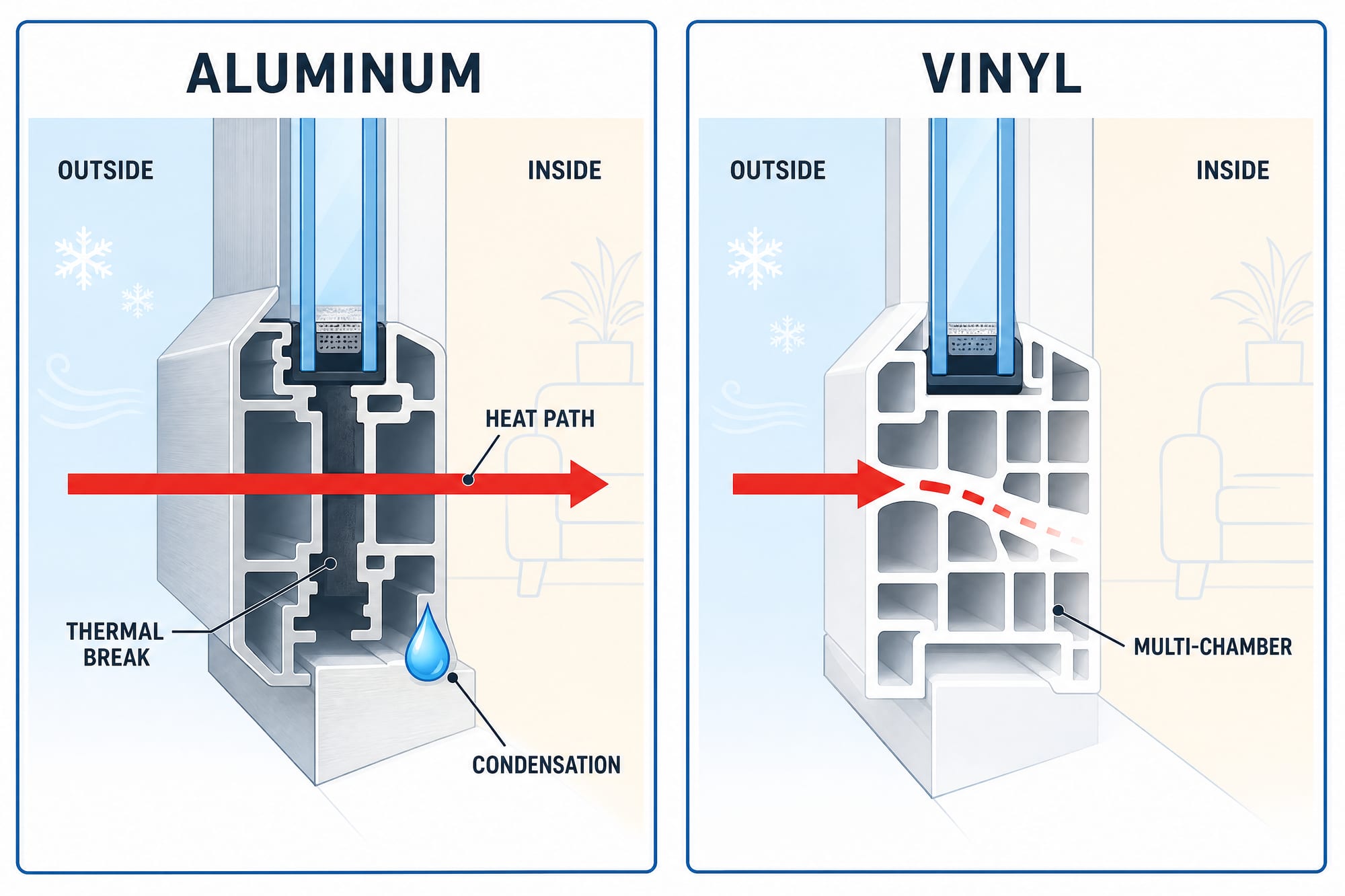
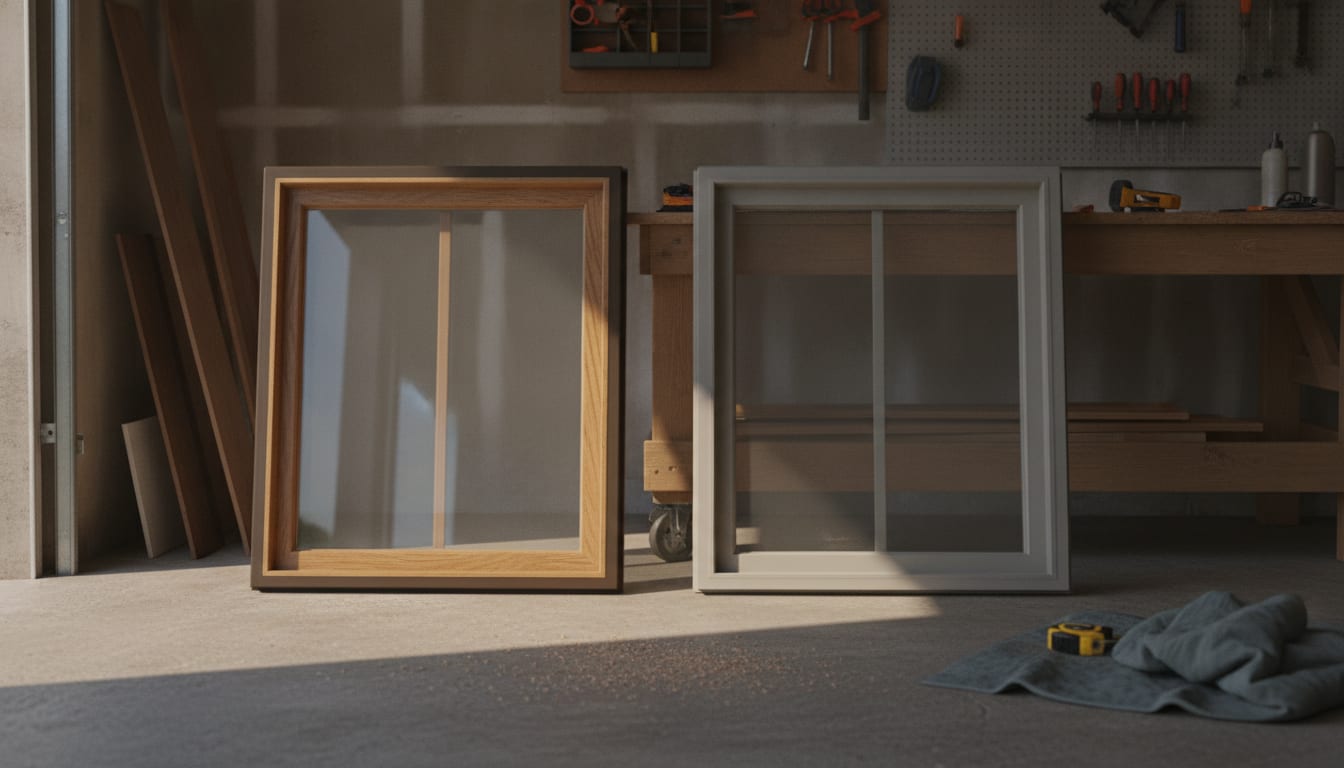
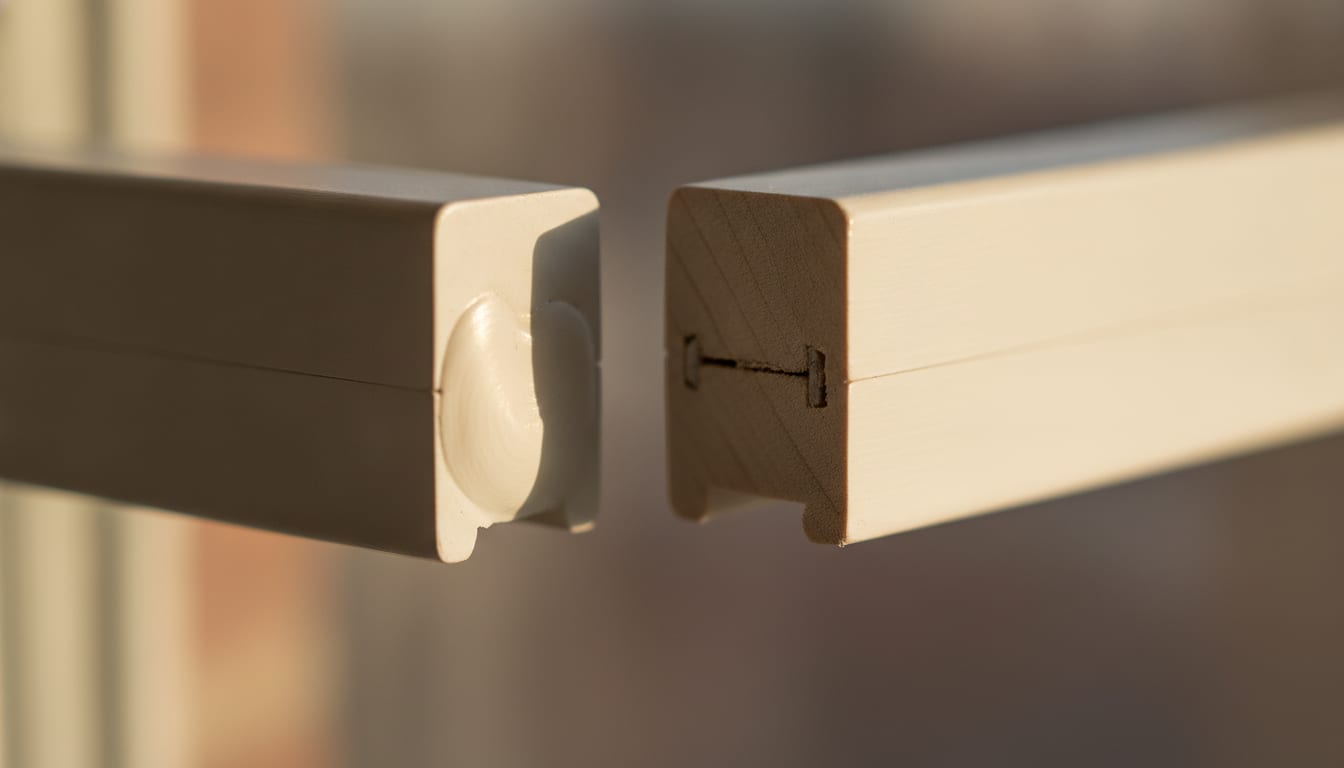
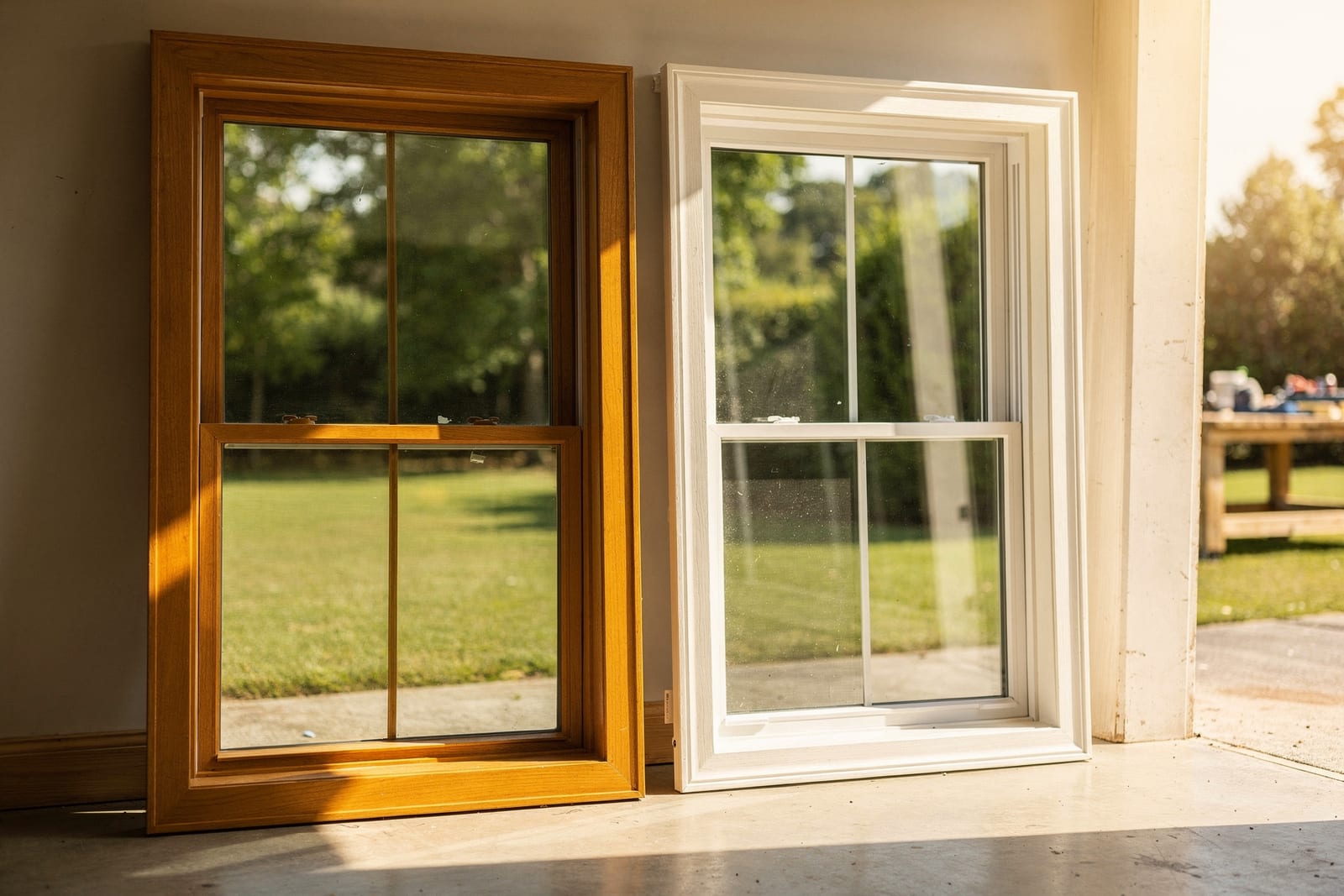
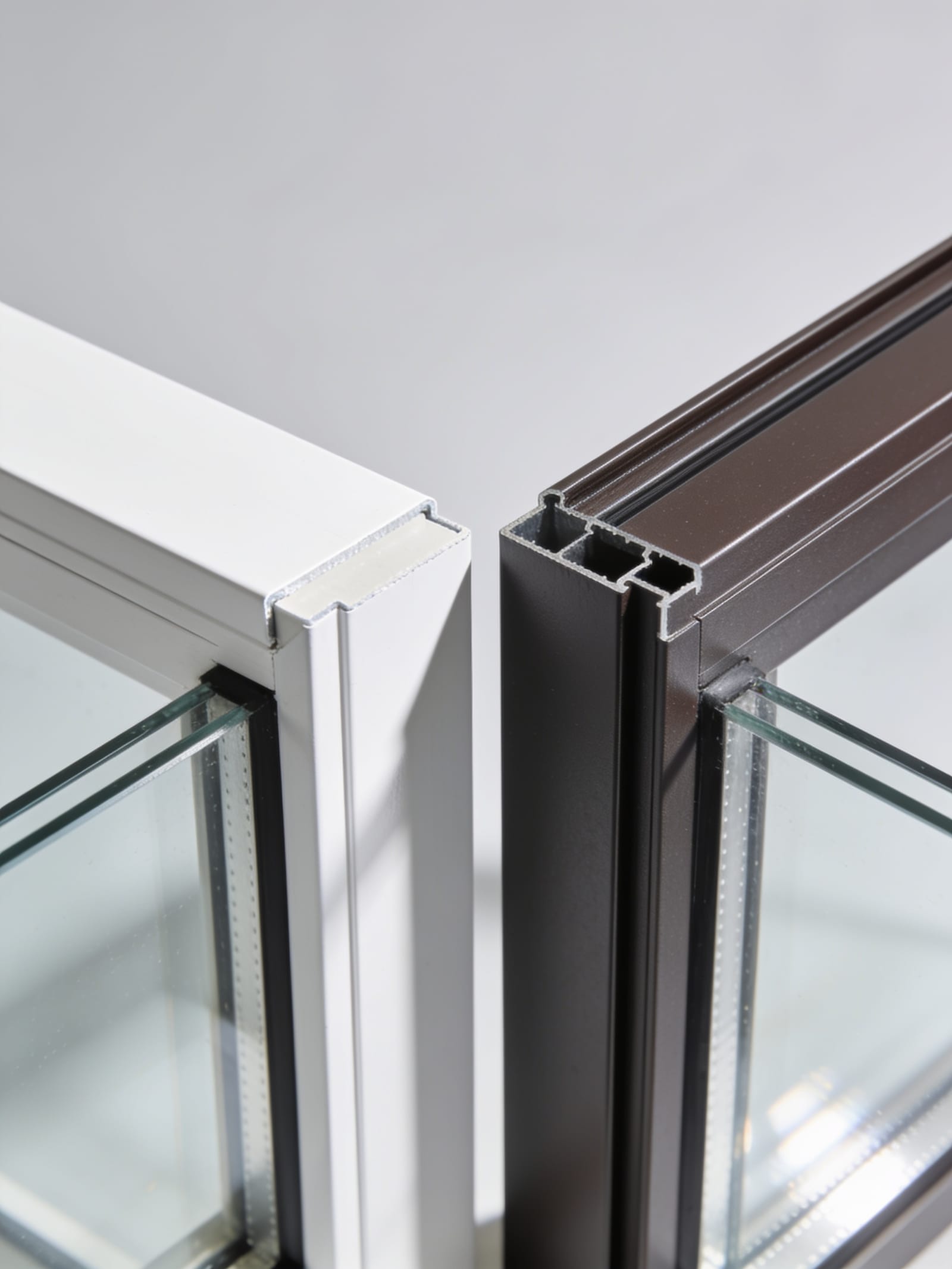
  • Frame material. is the value default and the most common pick in NC; fiberglass and composite are the step-up for strength and a slimmer sightline; wood and clad-wood are the premium, higher-upkeep look. Start at the window materials guide — or jump to vinyl or fiberglass.
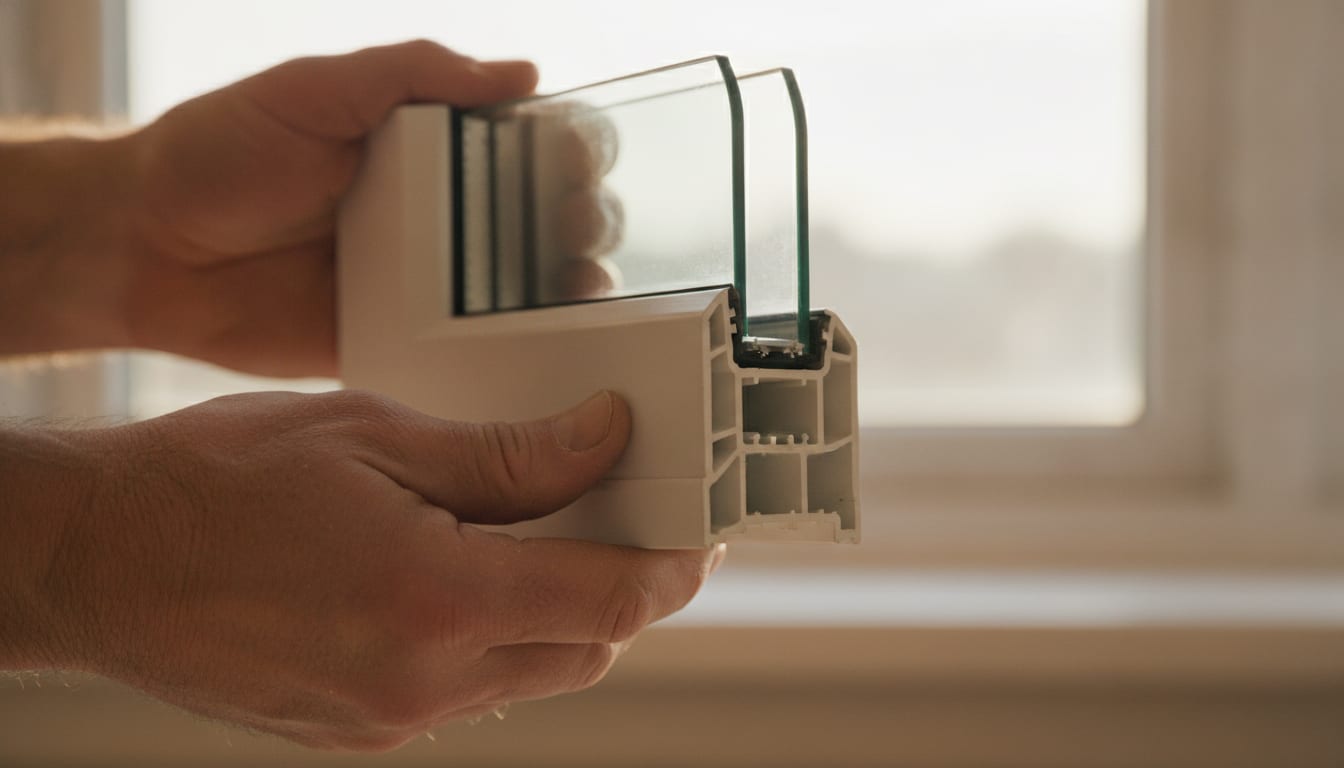
  • Glass package. This is where NC comfort is won or lost: a good coating, argon fill, and a warm-edge spacer. Double-pane is the standard; triple-pane is a niche upgrade here. The glass guide covers all of it, and double vs triple pane settles that question for our climate.
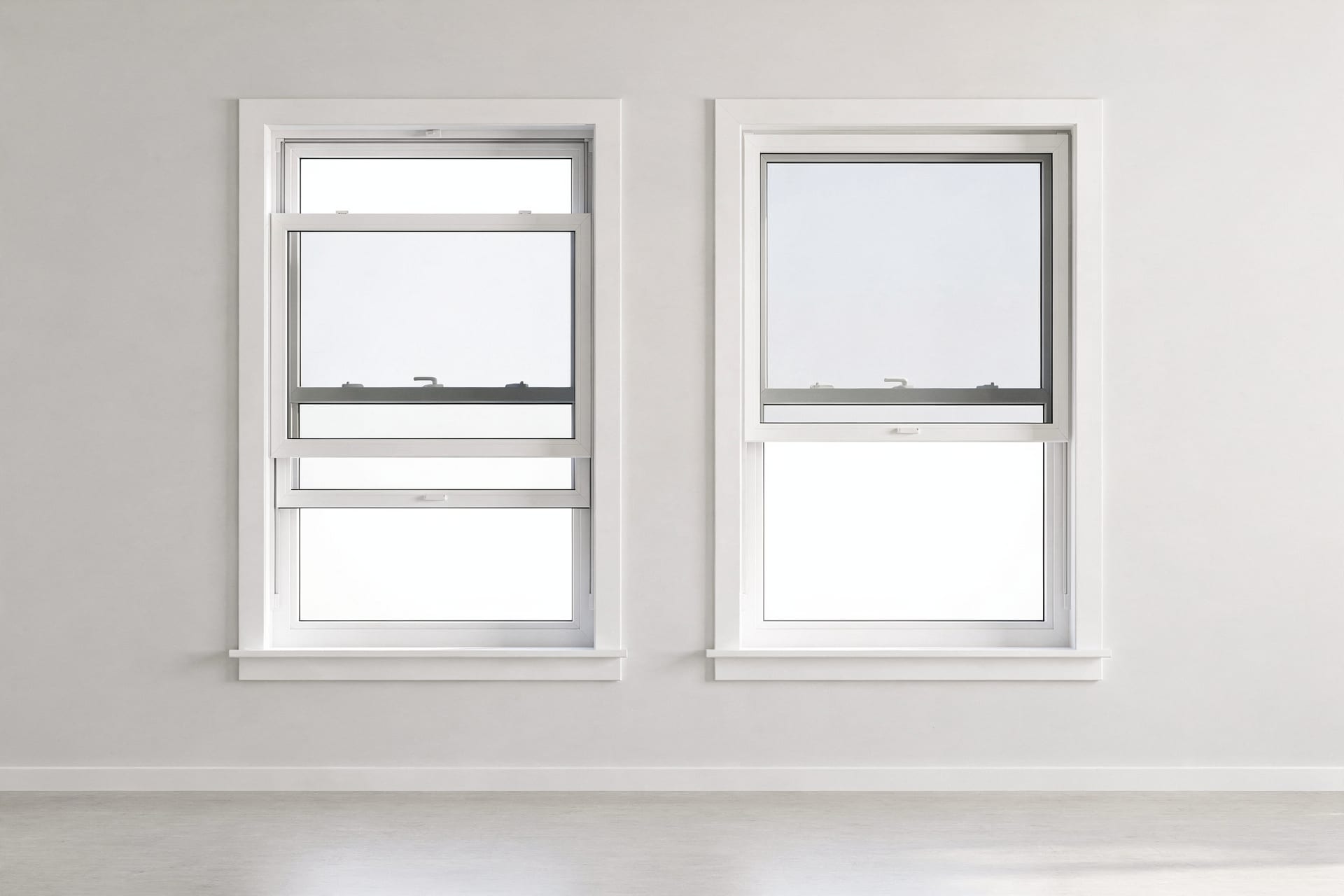
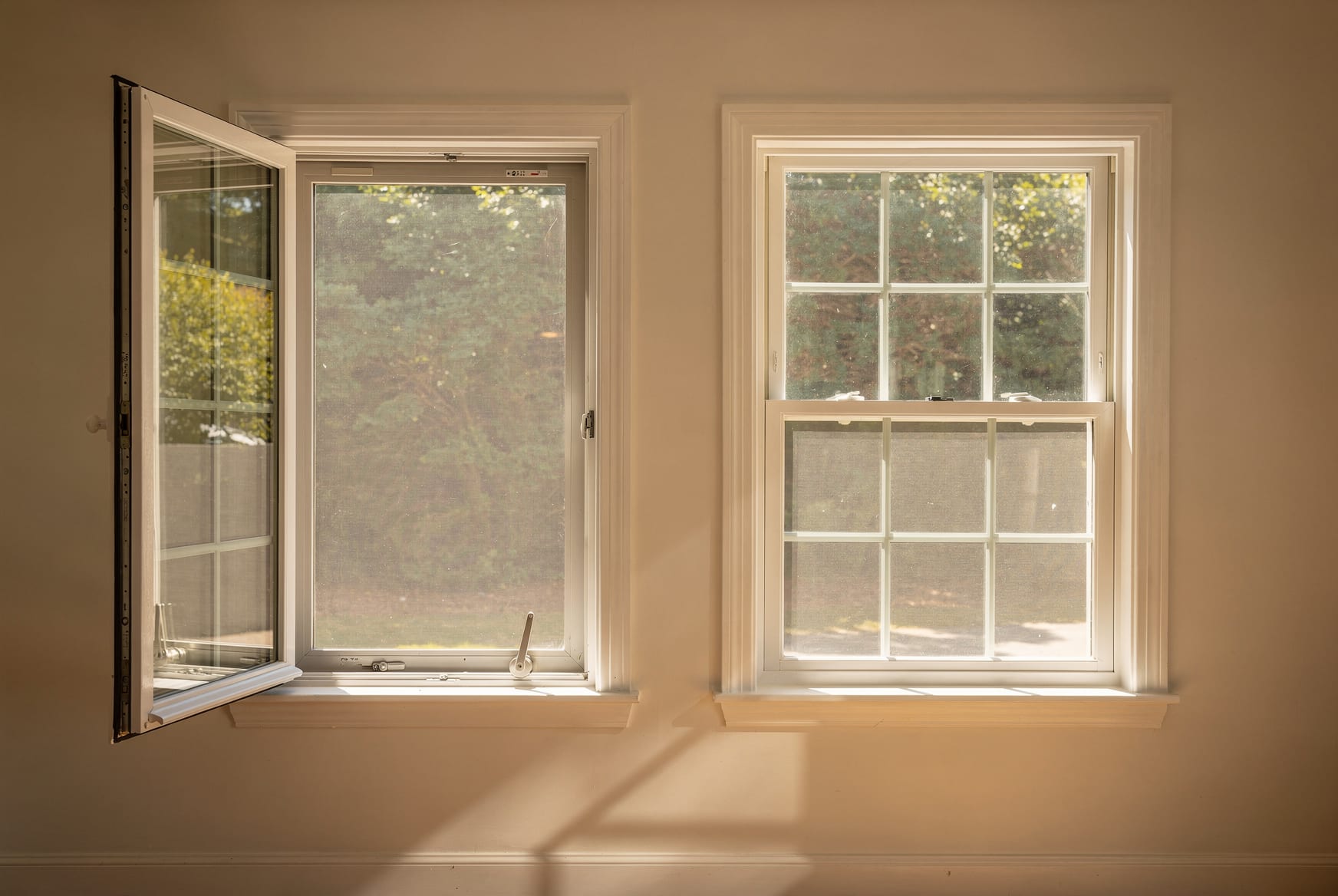
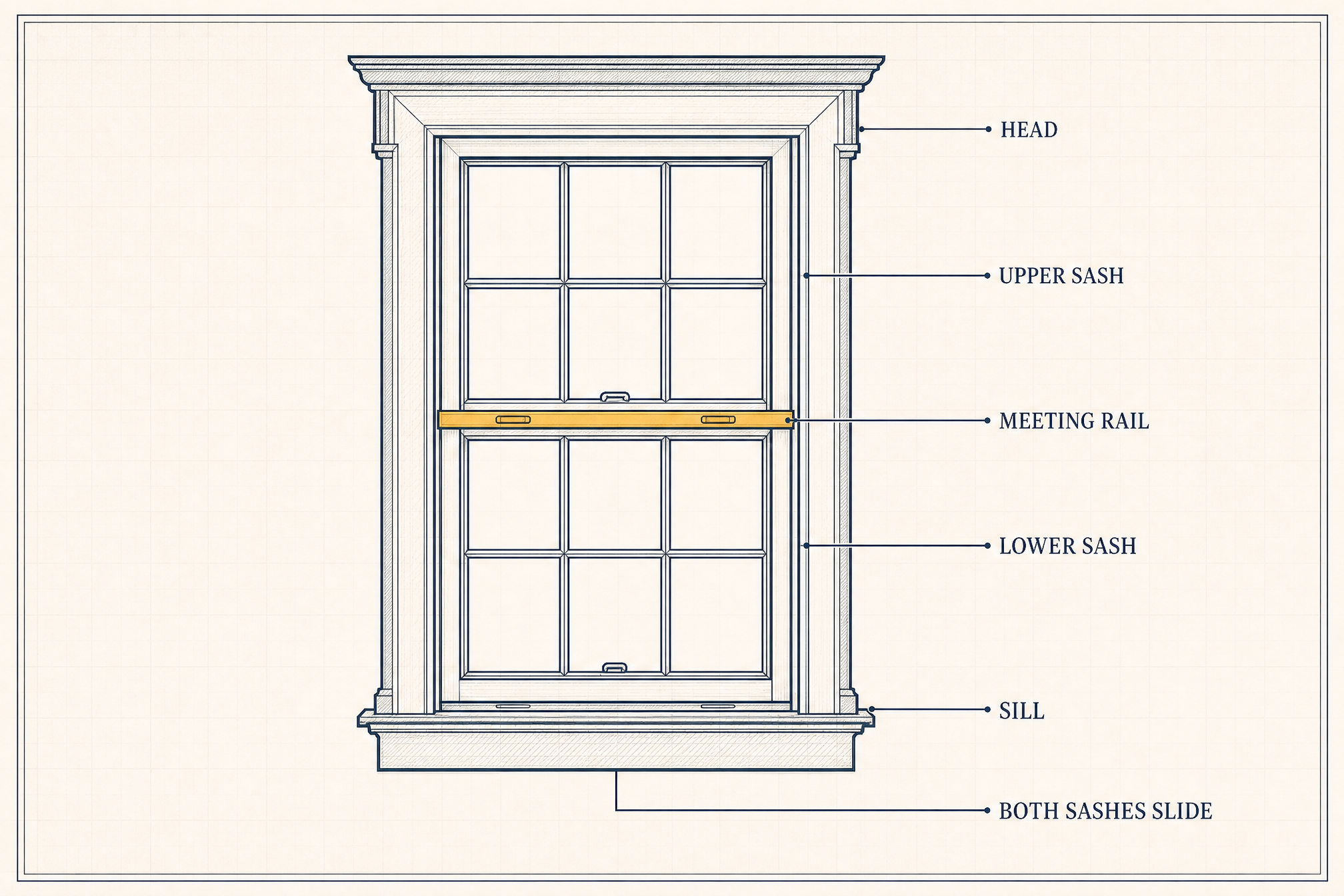
  • Window type. Double-hung, casement, slider, picture, bay/bow — the shape changes how it looks, opens, seals, and prices. The window types guide walks each one.
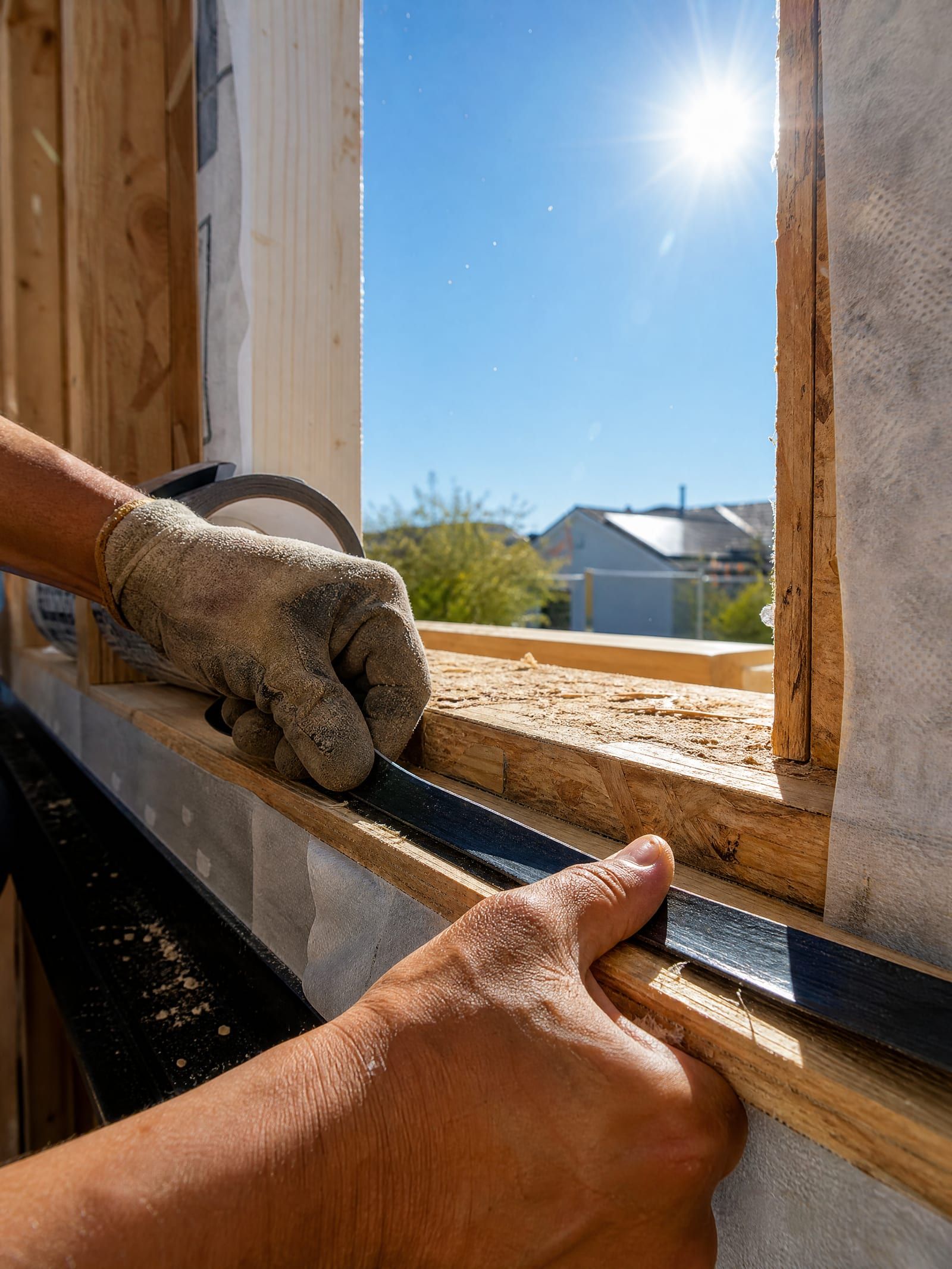
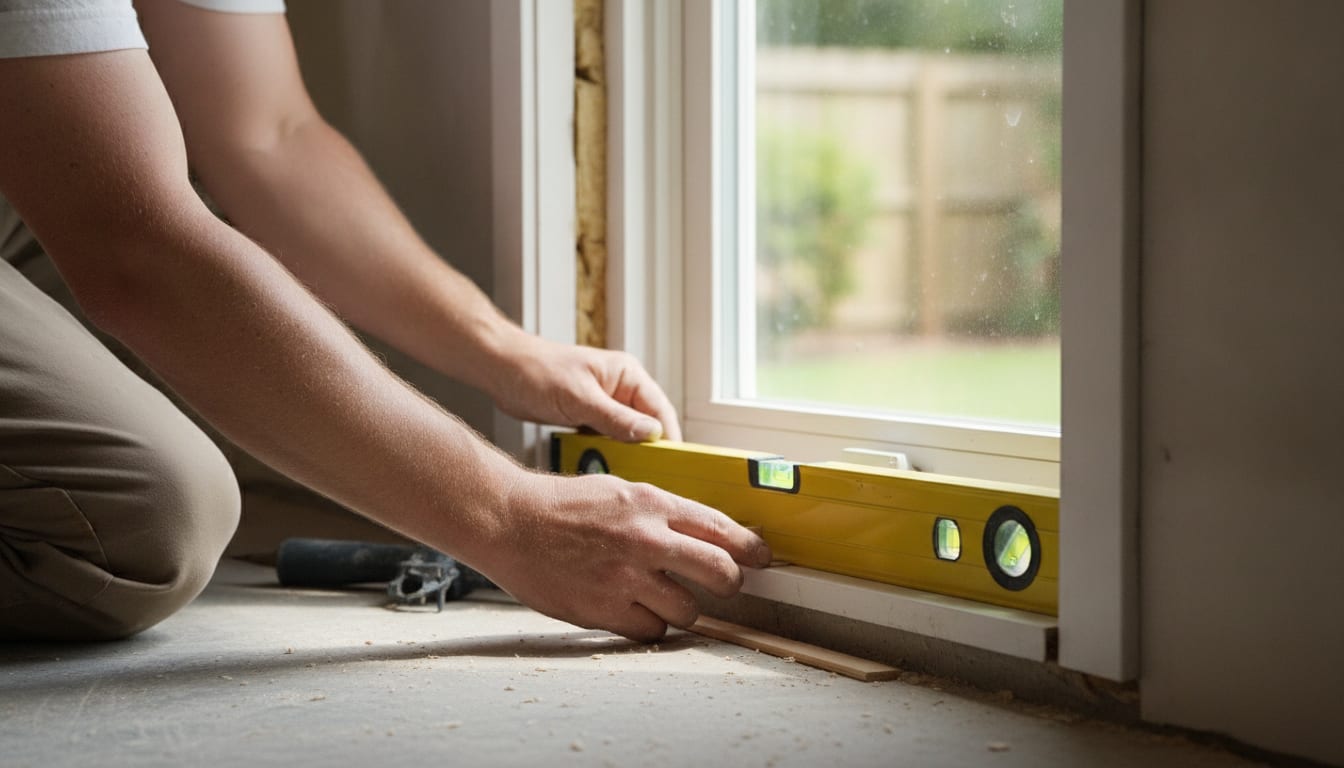
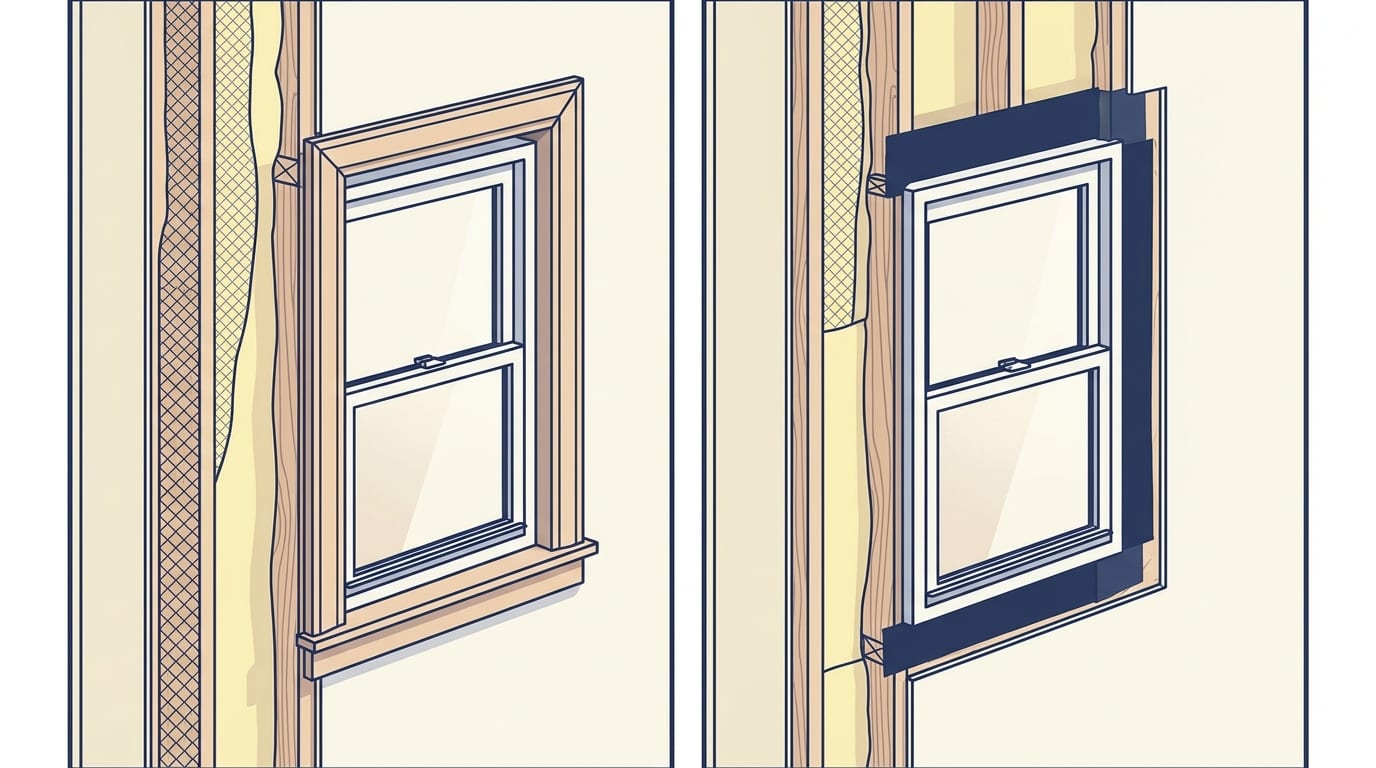
  • Install method. A pocket/insert drops a new window into your existing frame (cheaper, faster); a full-frame replacement tears back to the studs (more labor, but fixes rot and keeps more glass). The installation guide and full-frame vs insert break down when each is right.

If you only remember one thing from this section: the install is not the afterthought — it’s the thing. A mid-grade window installed correctly will outperform a premium window installed badly, every time. More on that when you read why the install beats the brand.

What will replacement windows cost in NC?

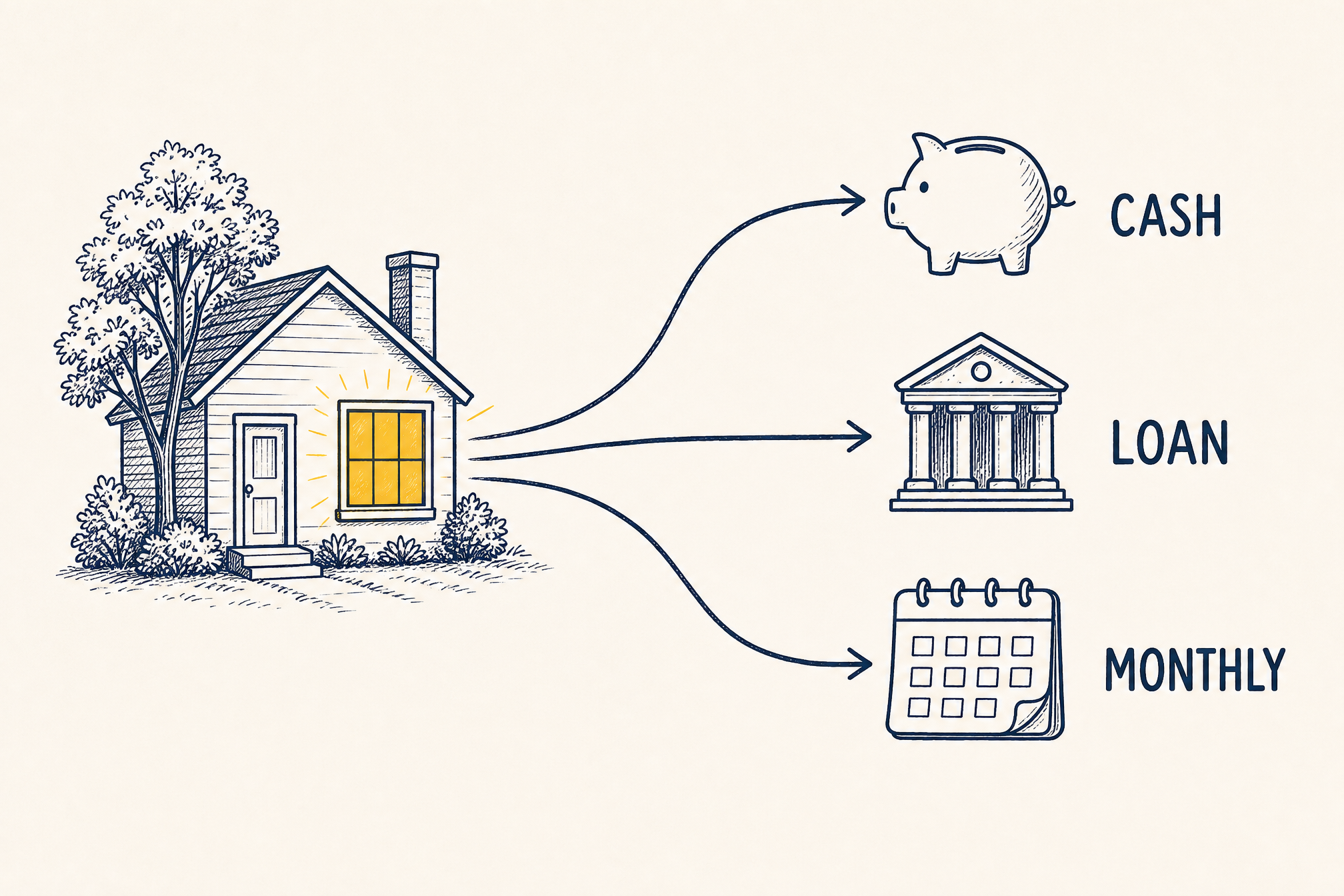
As general market bands, vinyl runs roughly $450–$1,600 per window installed and fiberglass about $1,100–$2,200 — with a whole-house project commonly landing somewhere in the five figures. Those are national aggregator ranges, not an NC quote. No NC-specific installed-cost dataset exists, so treat any flat “NC price” you’re handed as one contractor’s number, not a market fact.

What actually moves the number, biggest lever first:

  1. Who you buy from, and how they sell. This is the single biggest swing — bigger than the glass. A long in-home presentation, a national brand, and heavy “tonight only” discounting cost more than a local installer selling comparable glass. That’s not a knock on either model — a big-brand experience can bundle a showroom, a managed crew, and a long warranty that some buyers genuinely want. The point is to know what you’re paying for so you can weigh it, not to assume the biggest number means the best window.
  2. The glass and frame package — Low-E, argon, double vs triple pane, and impact/laminated glass (often code-required on the coast) each add cost.
  3. Full-frame vs insert install — full-frame is more labor and material than a pocket insert.
  4. Size, type, and access — big or custom units, second-story reach, and hidden rot all add labor.

The honest way to protect yourself isn’t to chase the lowest total — it’s to get an itemized quote and read it. The full cost breakdown has the per-grade tables; is this quote reasonable? and the red flags to watch show you how to read one line by line. If a number feels huge, why windows cost what they do explains where the money really goes.

The NC energy numbers that actually matter

In North Carolina you usually care about SHGC first — the fraction of the sun’s heat a window lets in — because we spend more of the year fighting heat than cold. This is the part most salespeople skip and most competitor pages get wrong, so it’s worth thirty seconds.

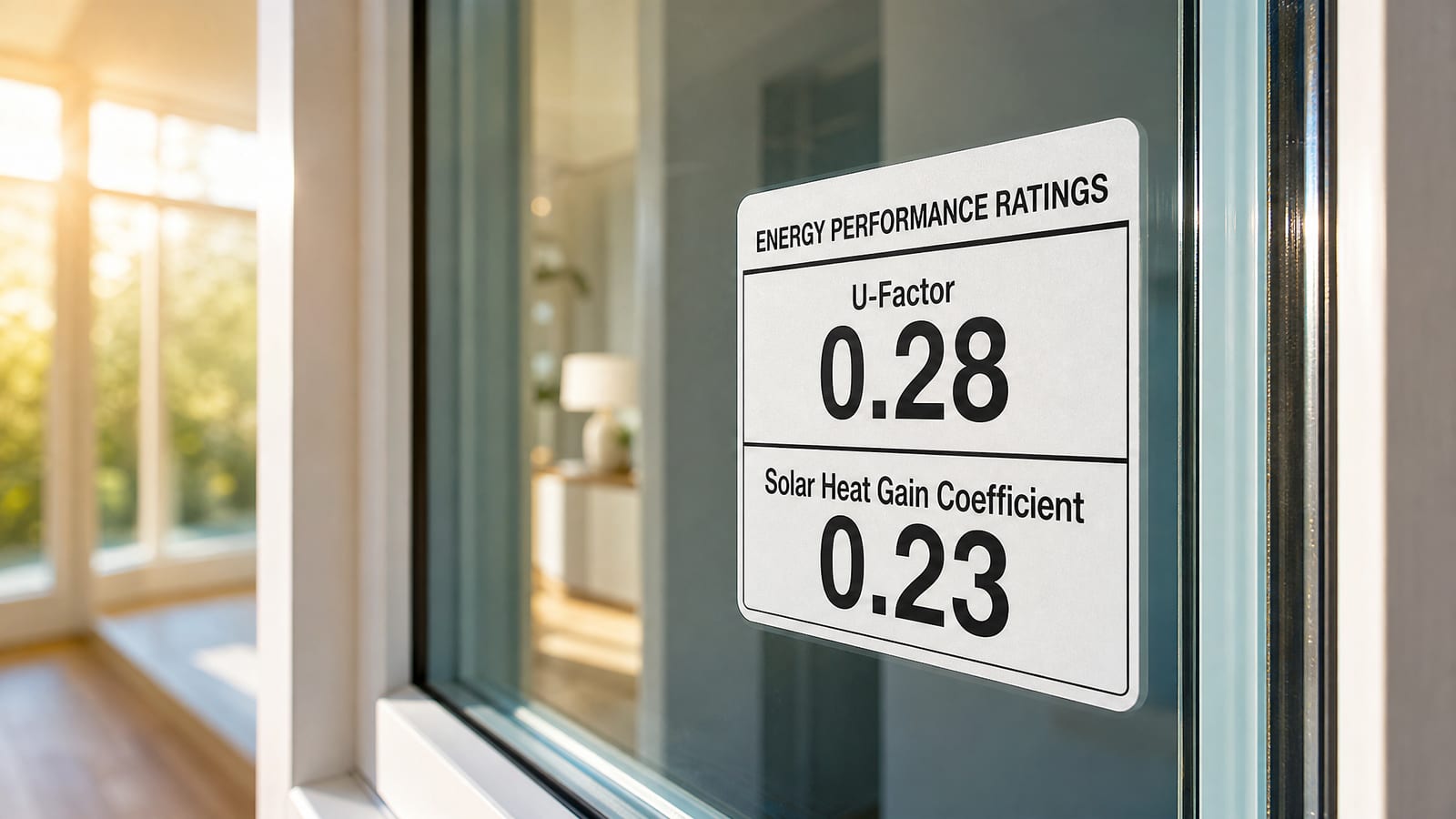
Every certified window carries an label with five numbers. The two that matter most here:

  • U-factor — how well the window insulates (keeps heat in). Lower is better. It’s the headline in the cold — the mountains.
  • SHGC — Solar Heat Gain Coefficient, how much of the sun’s heat gets in. Lower is better. It’s the headline across most of NC, where cooling dominates.

The one-liner I read to homeowners off the label: U-factor keeps heat in, SHGC keeps heat out.

Here’s the wrinkle almost every national guide misses: North Carolina spans two ENERGY STAR window zones, and they pull in opposite directions.

Most of NC — Piedmont, Sandhills, coast

ENERGY STAR zone
South-Central
U-factor (lower = better)
≤ 0.28
SHGC (lower = less heat in)
≤ 0.23 (the strict number)

The mountain west (high elevation)

ENERGY STAR zone
North-Central
U-factor (lower = better)
≤ 0.25 (the strict number)
SHGC (lower = less heat in)
≤ 0.40 (relaxed)

One spec that qualifies ANYWHERE in NC

ENERGY STAR zone
Both zones
U-factor (lower = better)
≤ 0.25
SHGC (lower = less heat in)
≤ 0.23
Verified county-by-county against the ENERGY STAR Climate Zone Finder. Most of NC is cooling-dominated, so SHGC is the strict number; the mountains are heating-dominated, so U-factor tightens and SHGC relaxes. NC has no Southern-zone counties — even Wilmington came back South-Central.

So if you want a single target that clears the whole state, it’s U-factor ≤ 0.25 and SHGC ≤ 0.23 — the tighter U from the mountains plus the tighter SHGC from everywhere else. A window at U 0.28 meets most of NC but does not meet the mountain counties, so it’s not a true statewide baseline. Always confirm your specific county before anyone quotes you a spec.

The energy ratings hub explains all five NFRC numbers; U-factor and SHGC explained goes deeper, NC climate zones maps them, and the most efficient windows for NC names the specs that clear the bar.

Do I even need to replace — or can I repair?

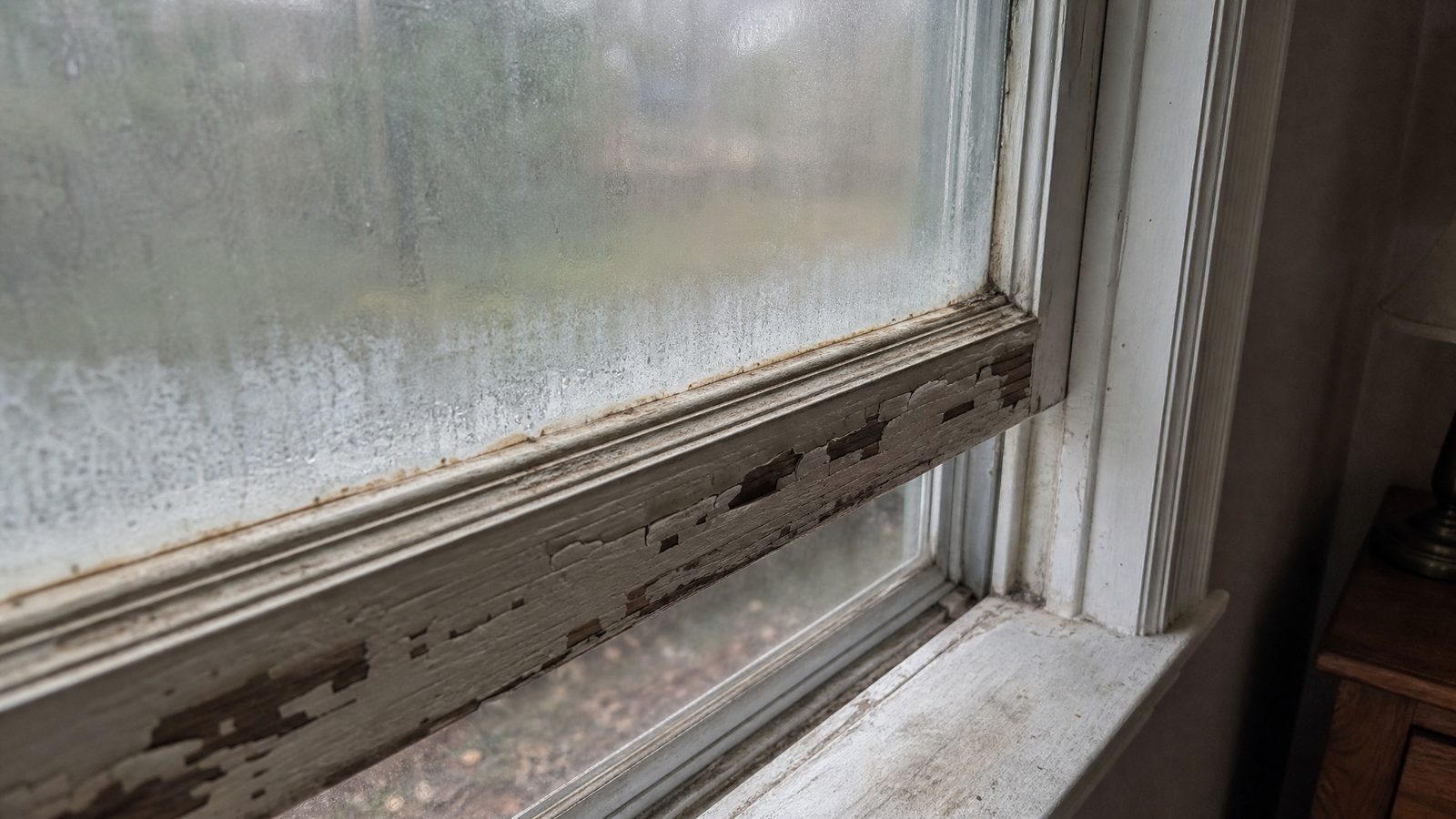
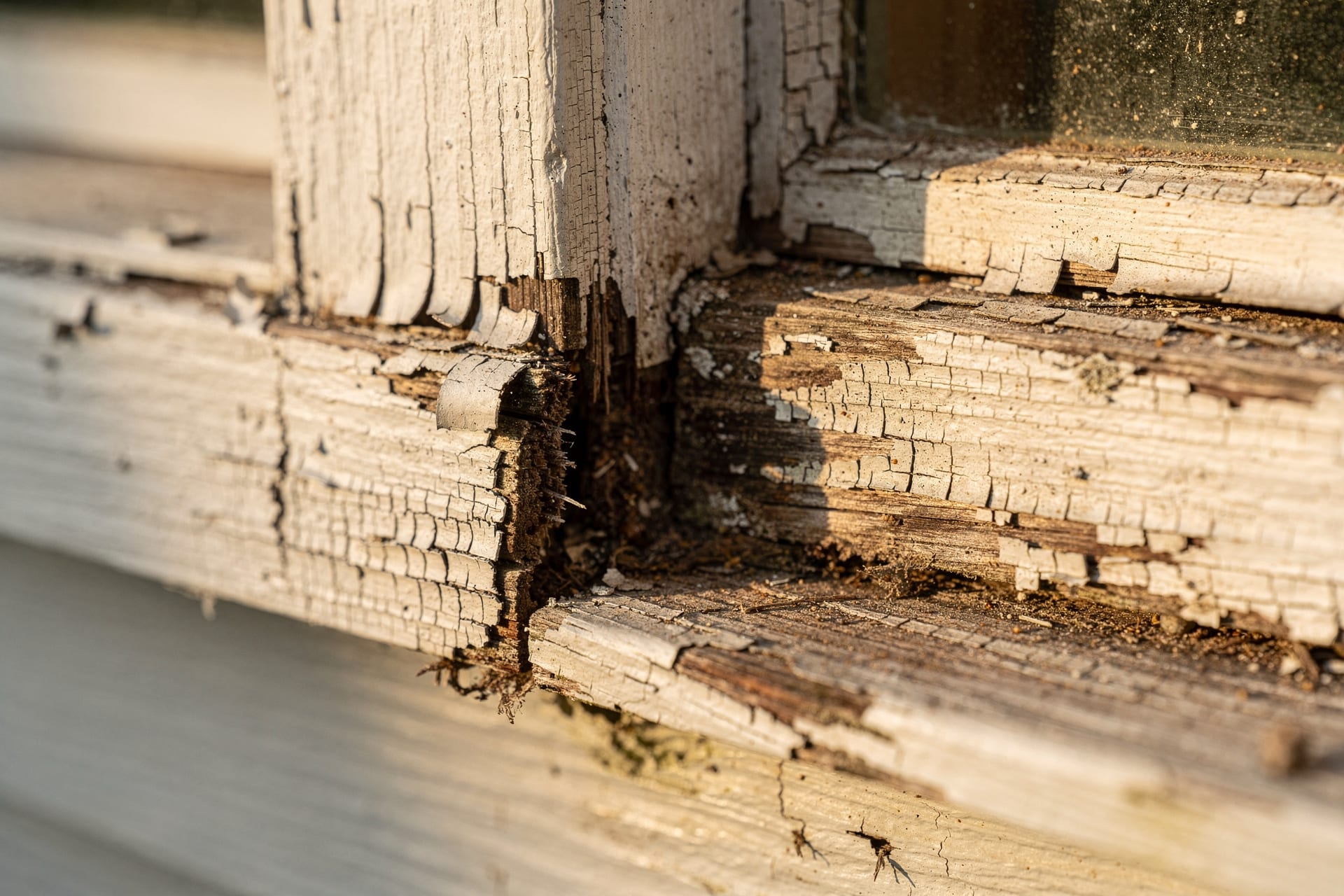
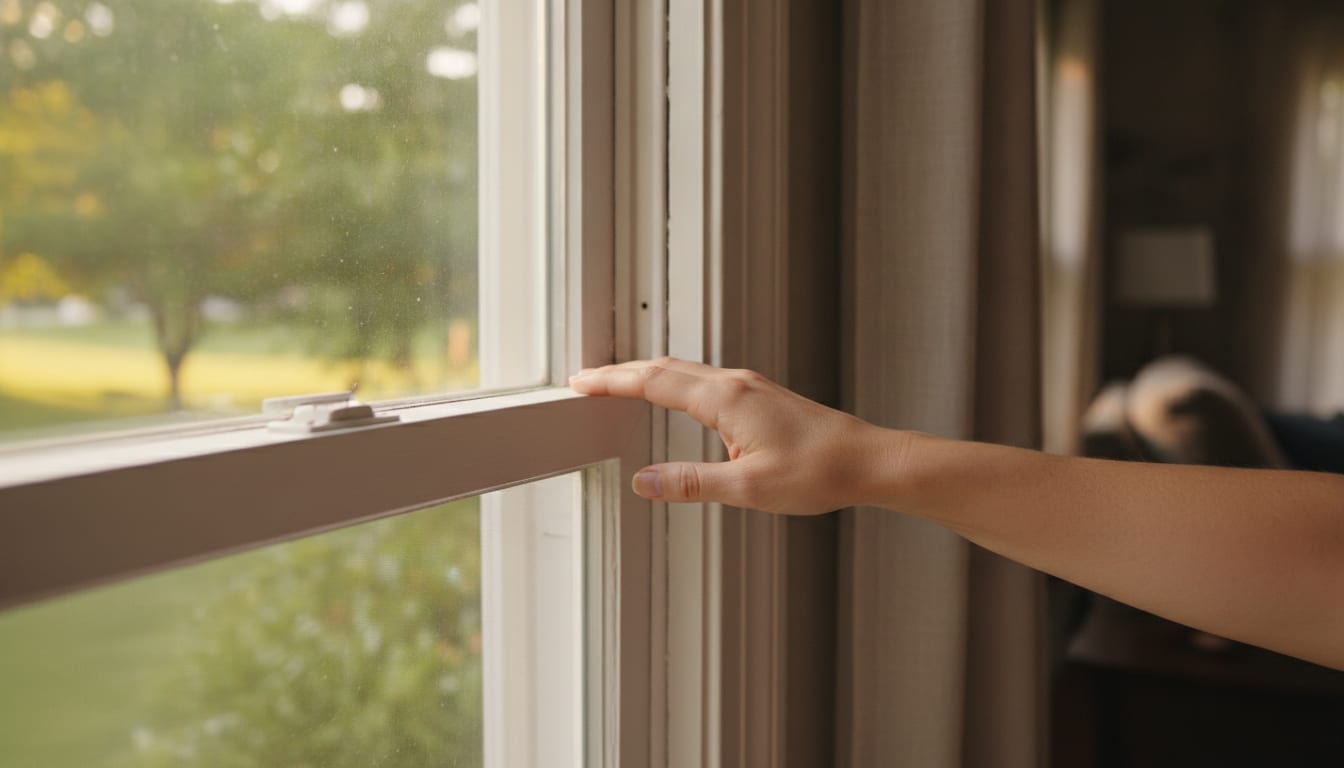
Not every tired window needs replacing, and I’ll tell you when it doesn’t. A stuck sash, a broken balance, a lock that won’t catch, or a single fogged pane can often be fixed for a fraction of a full replacement.

Replacement earns its cost when the failures pile up — multiple drafty windows, rotted frames, or a comfort-and-efficiency jump you actually want across the whole house. But if it’s one window, price the repair first.

The repair-or-replace hub walks the common cases — drafty, foggy, stuck, rotted sill — and the signs you genuinely need new windows is the honest checklist.

The NC rules nobody tells you about

A straight like-for-like window swap in North Carolina usually needs no building permit — but a few real rules can change your product, your price, and your safety, and most salespeople never mention them. This is the authority NC homeowners deserve and rarely get.

  • Permits. NC law (NCGS 160D-1110) exempts replacing windows in the same opening below a $40,000 project cost, and explicitly states windows aren’t “load-bearing structures” for the exemption. You need a permit when you change the opening, cut a new one, create an egress window, exceed the threshold, or fall under a local overlay. (The old “$15,000/$20,000” thresholds you’ll see quoted online are outdated — it’s been $40,000 since October 1, 2023.) Cities administer the code and can be stricter, so confirm locally. Full detail on the permits page.
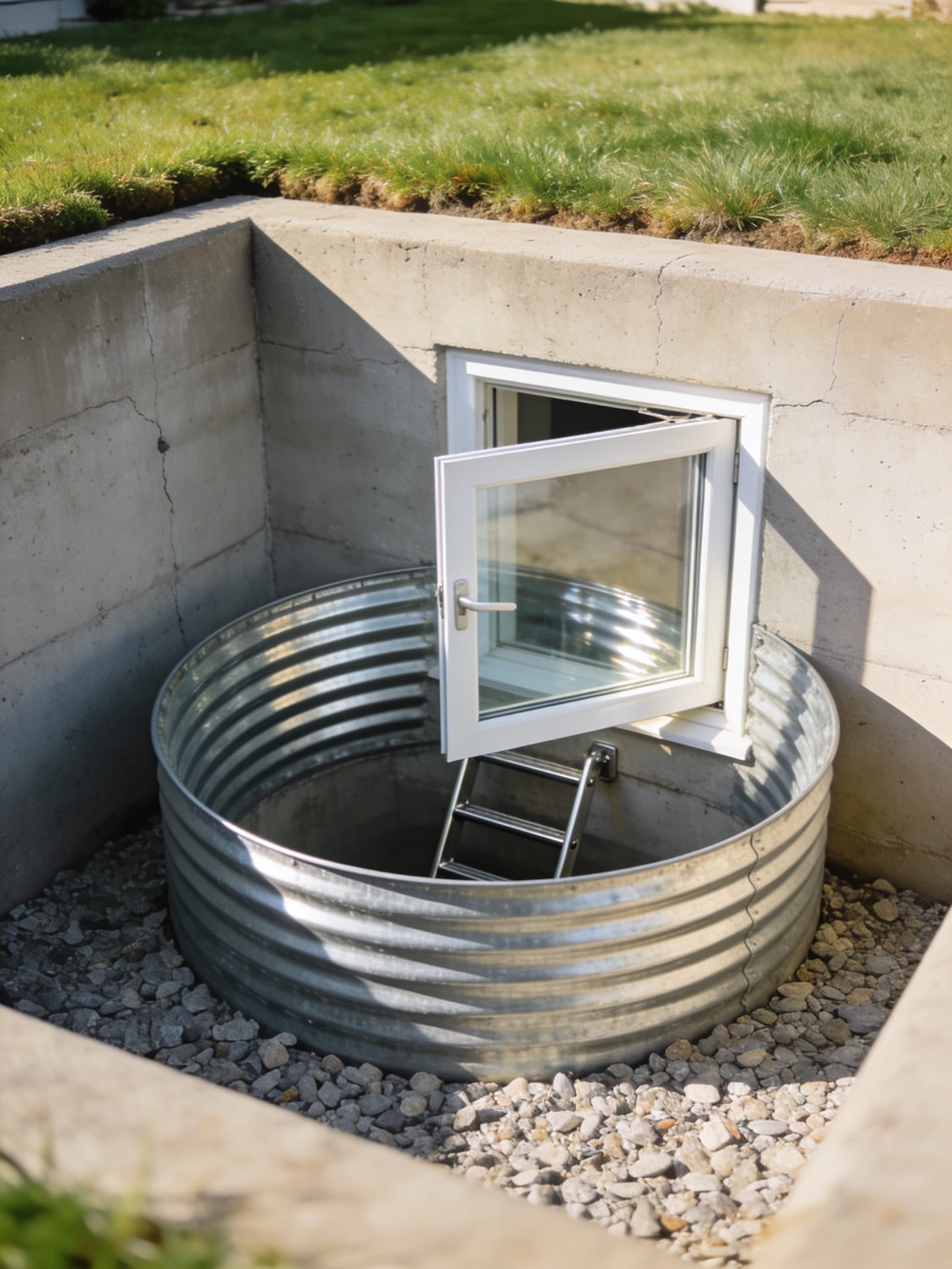
  • Egress. Here’s the fact nearly every competitor gets wrong: North Carolina amended the national egress numbers. A bedroom or basement escape window in NC must keep a net clear escape opening of 4.0 sq ft with a 22-inch minimum heightnot the national 5.7 sq ft / 24 inches you’ll see everywhere. (The 5.7 figure is real, but it’s NC’s separate upper-floor rescue-entry glazing test, not the escape opening.) The trap: a like-for-like swap needs no permit, so nobody inspects it — and a thicker new frame can quietly drop a bedroom below code. The egress window guide has the exact numbers.
  • The coast. In NC’s wind-borne-debris region, exterior glazing must be impact-protected — laminated impact glass or approved shutters. It’s a code requirement, separate from energy, and it materially changes the product and price. See coastal and impact windows.
  • Historic districts. Inside a local historic district, replacement typically needs a Certificate of Appropriateness before any permit, and commissions usually favor repairing original wood and matching material and profile if you replace.

Getting these right is exactly why I built this site. If a quote or a salesperson contradicts what’s here, that’s your cue to slow down.

Which brand should I buy?

The brand matters less than you’d think — but if you’re comparing names, do it with the sales model in mind, not just the logo. The same-quality window can carry very different prices depending on how it’s sold.

I keep the brand reviews and head-to-head comparisons honest and free of contest energy — vinyl vs fiberglass is the material question most people actually have, and the buying guide covers how to get comparable quotes and the questions to ask so you’re comparing like with like.

Get a real read on your windows

A range tells you whether a quote is in the right neighborhood. It can’t tell you your number — that depends on your window count, your glass spec, whether there’s rot hiding in a frame, and whether a repair would do the job for a tenth of the price.

If you want a no-pressure second opinion, have me walk the house with you. I’ll read the NFRC label out loud, measure what matters, name what’s driving your number, and let you decide.

Sources, Verification & Fact-Checking verified July 2026

Every load-bearing fact on this page is sourced and verified against a primary authority.

Verified July 2026 via direct review of the cited authority — the links open the controlling source so you can check it yourself rather than take our word.

  1. Most of NC is ENERGY STAR South-Central (U-factor ≤ 0.28, SHGC ≤ 0.23); the mountain west is North-Central (U ≤ 0.25, SHGC ≤ 0.40); U ≤ 0.25 and SHGC ≤ 0.23 qualifies statewide. Verified county-by-county against the ENERGY STAR Windows Climate Zone Finder (2026) — Guilford and New Hanover returned South-Central, Watauga and Buncombe North-Central. NC has no Southern-zone counties. ENERGY STAR window zones are distinct from IECC building-code zones. (view source — ENERGY STAR Climate Zone Finder. Detail on the energy ratings page.)
  2. The federal 25C window tax credit expired December 31, 2025 and is not available for windows installed in 2026 or later. Prior terms (for windows placed in service on/before 12/31/2025, claimable on a 2025 return): ENERGY STAR Most Efficient tier, 30% of cost, capped at $600/yr for windows within a $1,200 aggregate. (view source — IRS, Energy Efficient Home Improvement Credit (FS-2025-05). Re-verify if legislation changes.)
  3. NC exempts like-for-like window replacement in the same opening (below a $40,000 project cost) from a building permit; windows are explicitly not “load-bearing structures” for the exemption. The threshold rose to $40,000 on Oct 1, 2023 (older $15,000/$20,000 figures are outdated). Governing law NCGS 160D-1110(c); administered locally, so cities can be stricter. A permit IS required to alter the opening, create egress, exceed the threshold, or under local overlays. (view source — N.C.G.S. 160D-1110. Detail on the permits page.)
  4. NC amended the national egress figures: the emergency escape opening is 4.0 sq ft with a 22-inch minimum height (net clear), not the national IRC 5.7 sq ft / 24 inches. The 5.7 / 5.0 sq ft figures are a separate NC “glazing area, sashes removed” rescue-entry test (5.7 upper floors, 5.0 grade), not the escape opening. 2018 NC Residential Code R310.2.1, per the NC OSFM Engineering Division formal interpretation (2019-04-09). The 2018 code remains in effect in 2026 (the 2024 cycle is delayed). (view source — 2018 NC Residential Code R310.2.1. Detail on the egress page.)
  5. Directional installed-cost bands: vinyl ~$450–$1,600/window; fiberglass ~$1,100–$2,200; whole-house projects commonly land in the five figures. Labor is often ~30% of the job. National aggregator ranges (HomeAdvisor, Fixr, Angi), not an NC quote — no NC-specific installed-cost dataset exists. The biggest cost lever is the sales/brand model, then the glass package and install method. Verify against a real itemized quote for your window count. (Per-grade tables and line items on the cost page and its fact-check.)
Start here

What Replacement Windows Really Cost in North Carolina

Honest 2026 NC replacement-window prices, per window and whole-house — plus why the same window costs 3x more from one company than another, and how to read your own quote.

Read the guide →

Window Brands Compared — An Honest NC Installer's Guide (Manufacturer vs Full-Service)

All Brands →

There's no single best window brand. The real split is manufacturer vs full-service in-home company — and it's why similar glass gets quoted 2x-3x apart. A map, not a leaderboard.

Head-to-Head Comparisons

All Compare →

Straight, no-spin comparisons — vinyl vs fiberglass, brand vs brand — to settle the trade-offs before a salesperson settles them for you.

Window Glass Explained — The IGU, Panes, Coatings & Gas (NC)

All Glass →

The glass on your quote is a sealed system, not a sheet. What a double-pane IGU is, how it stops heat three ways, the three words to check, and what NC actually needs.

Window Frame Materials Compared — Vinyl, Fiberglass, Composite, Wood, Aluminum (NC)

All Materials →

There's no single best window frame material — only the best trade-off for your wall, your sun, and how long you're staying. Vinyl, fiberglass, composite, wood, and aluminum, compared honestly for NC.

Types of Replacement Windows — A Plain-English Guide to Every Style

All Types →

The main replacement window styles — double-hung, casement, sliding, awning, picture, bay and the rest — grouped by how they open, with each one's honest trade-off for an NC home.