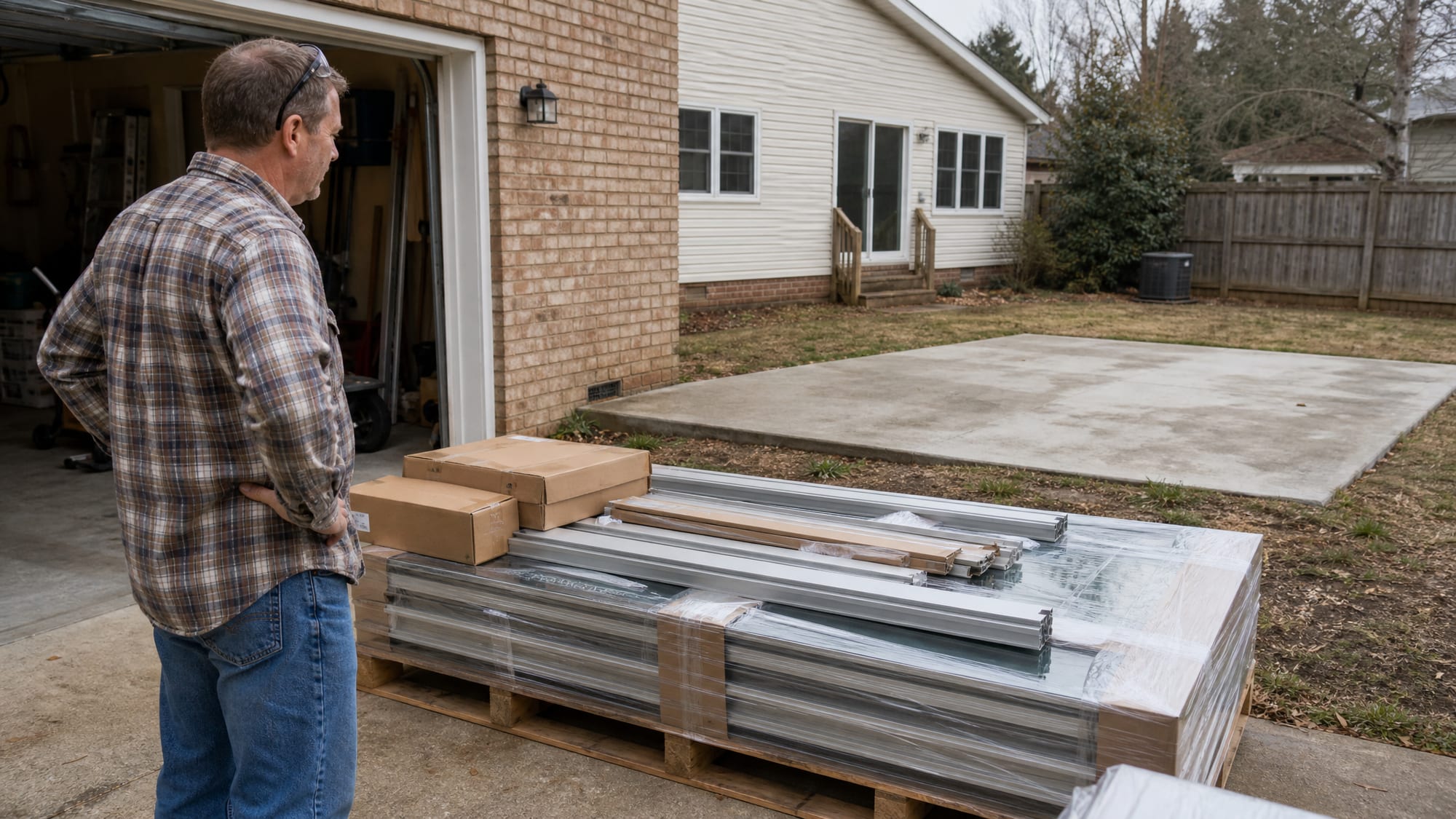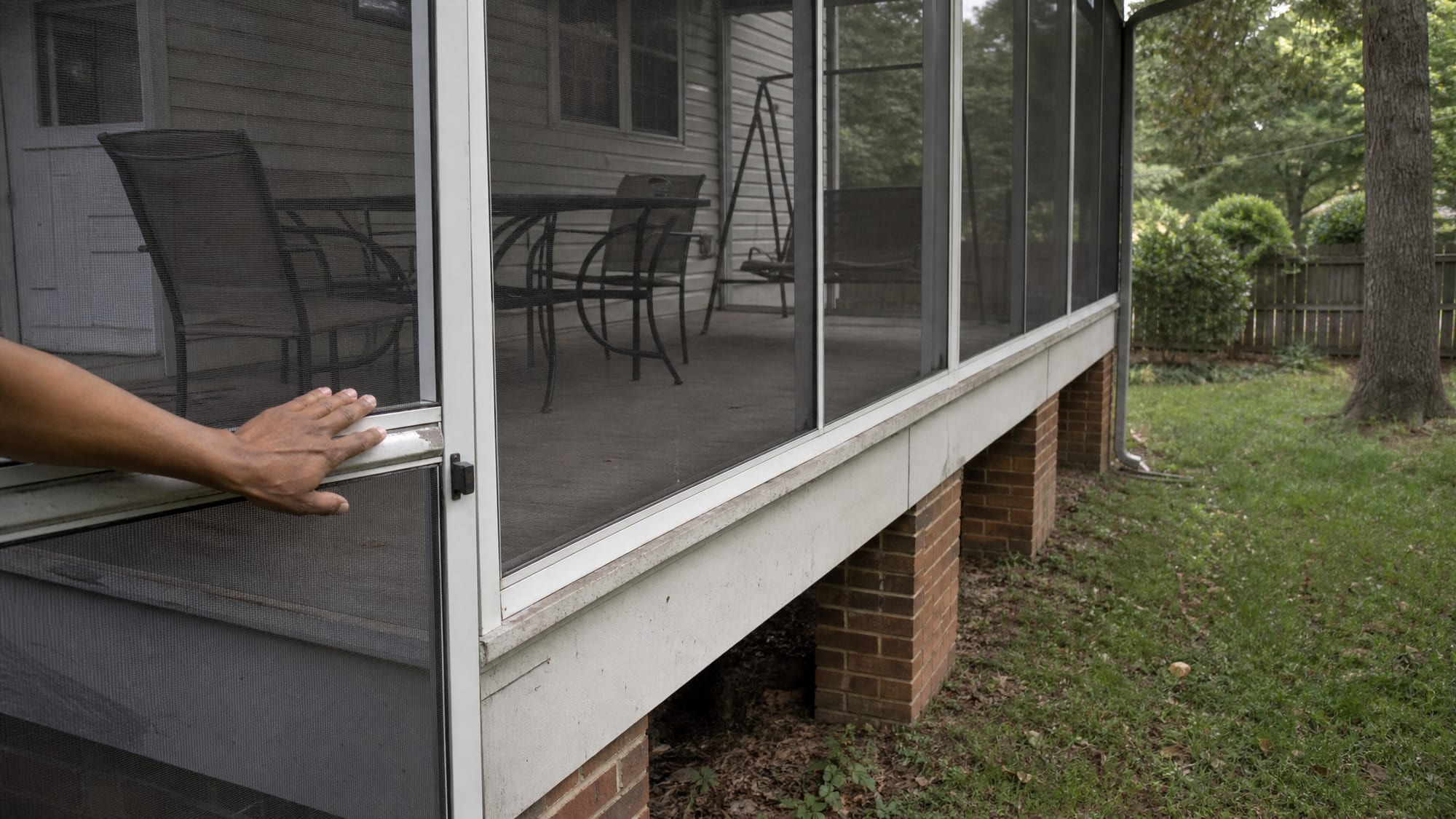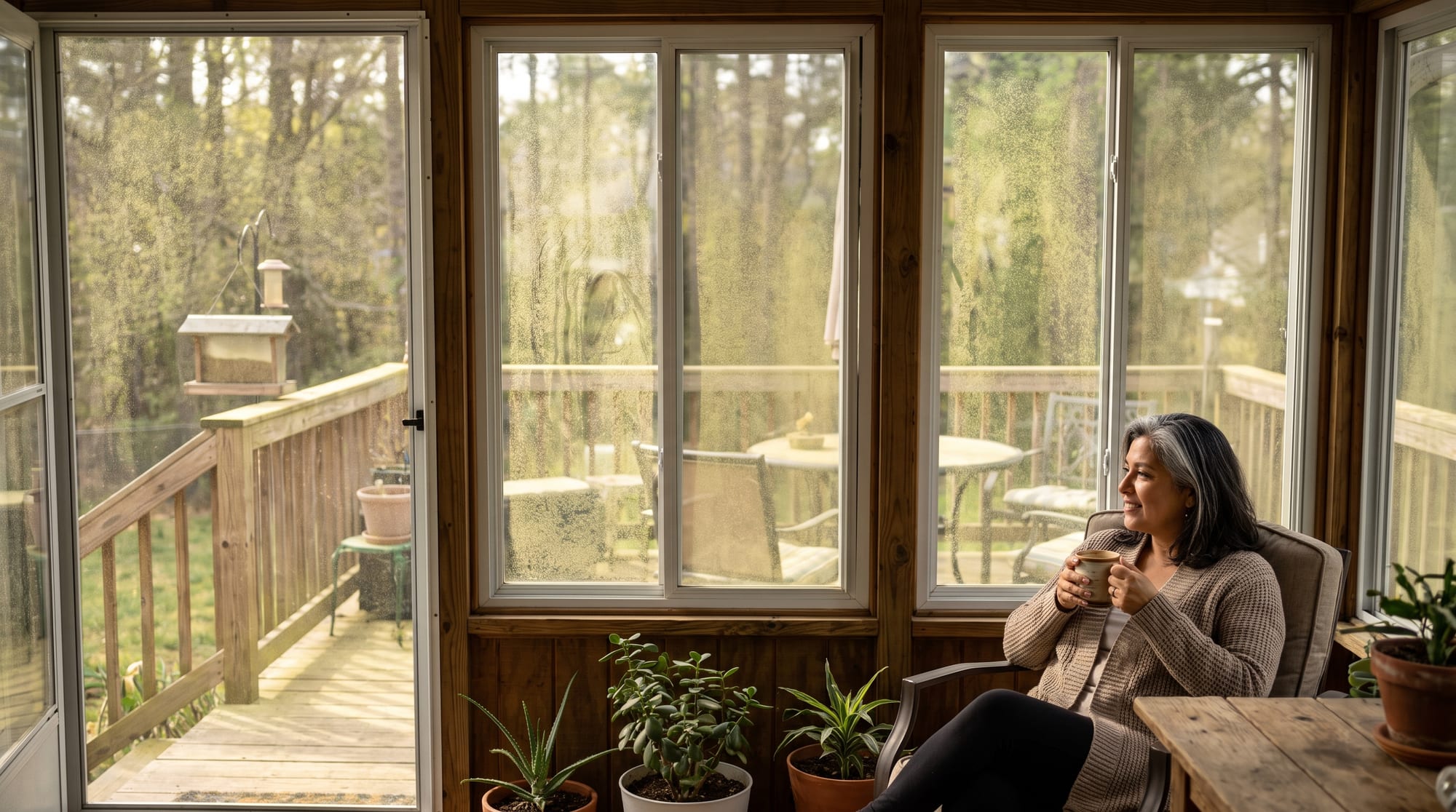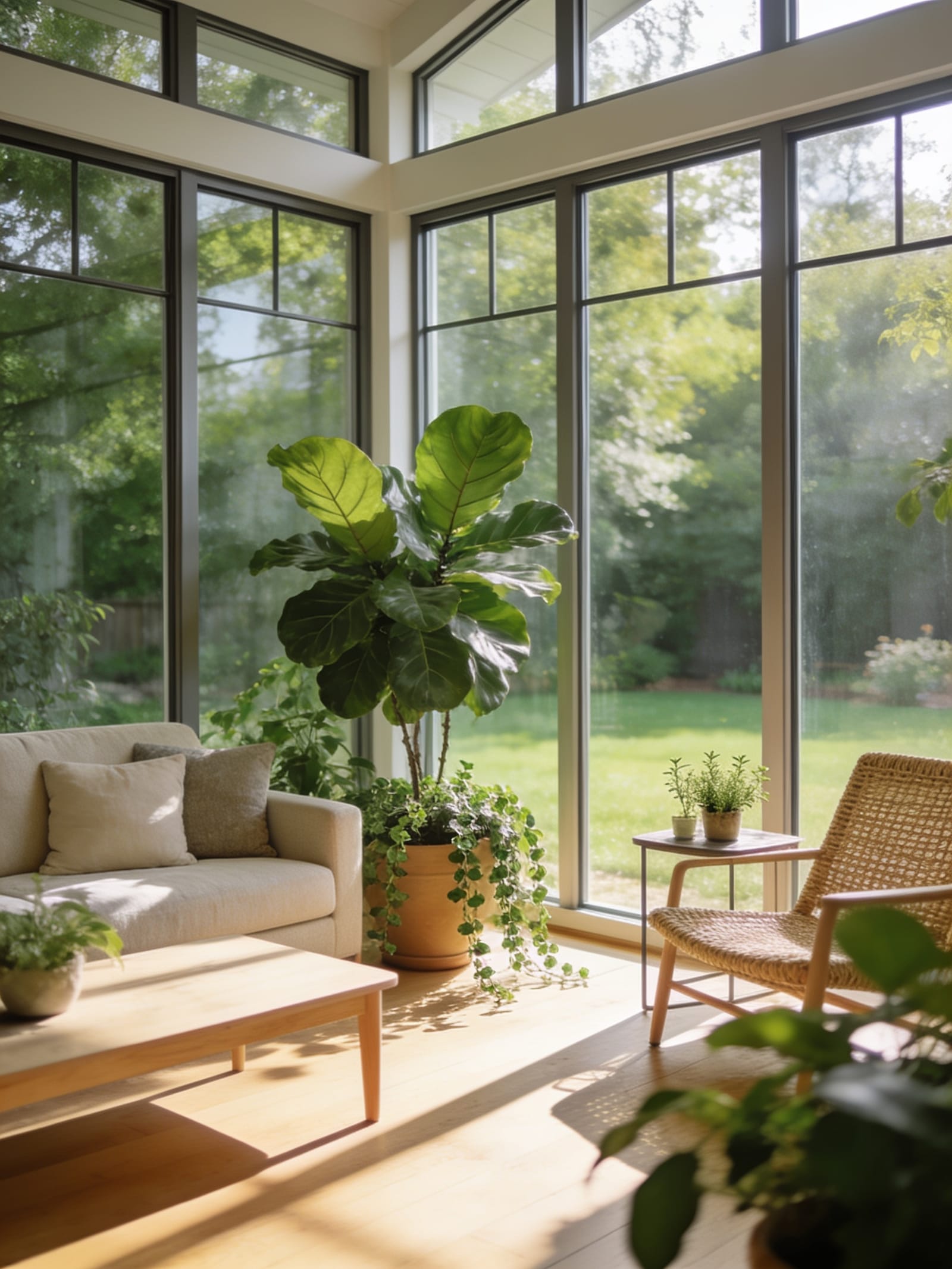


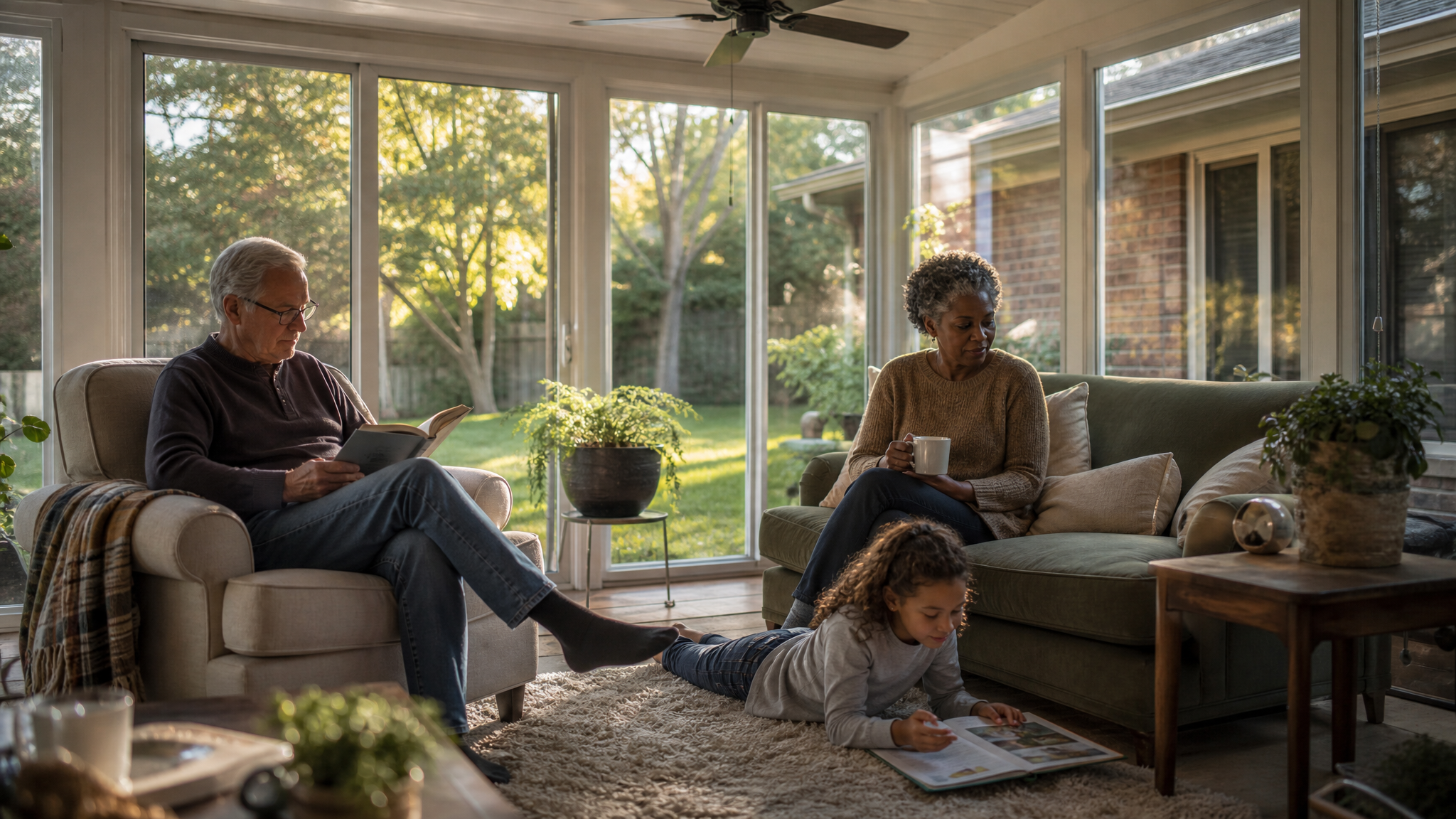
You typed “sunroom” into a search bar, and now you’re staring at screen rooms, patio enclosures, three-season rooms, four-season rooms, and something a contractor called a “solarium” — all wearing the same word, all quoted at wildly different numbers.
This page is the map. Not every spec on one screen — an honest read on which of these rooms fits how you’ll actually live in your backyard, what each really costs in North Carolina, and the summer-heat catch nobody leads with. Then I’ll point you to the deep page for each.
What kind of sunroom fits my NC home? Four different rooms share the word: a screen room (bugs out, cheapest), a 3-season room (glass, lightly built, spring-through-fall), a 4-season room (insulated and climate-controlled, year-round), and a true addition. Pick by how you’ll use it and in which months — not by price. And in North Carolina the room-killer isn’t winter, it’s July: the glass package decides whether you can sit in it in summer.
Cost ranges on this page are general national bands, not NC quotes — no NC-specific dataset exists. A starting point to read a contractor’s number against. Last reviewed July 2026.
Start with how you’ll actually use it
The room type is a use question before it’s a product question — so start there, not with a price. Every regret I’ve read traces back to buying the wrong room for the life someone actually lived in it.
So before you look at a single quote, answer three things honestly:
- Which months will you really be out there? “Mostly spring through fall” and “every day, January included” point at two completely different buildings.
- What’s the room’s job? A morning-coffee spot, a quiet home office for video calls, the place the holiday table finally fits, a bug-free dinner in July — each one has a best-fit room.
- Screen, or glass? Sometimes the honest answer is you want fresh air without gnats, and a screen room delivers most of that joy for a fraction of the money.
Answer those and the showroom stops being overwhelming, because most of the options fall away. The rest of this page is just matching your answers to the right room.
The four rooms that share one word
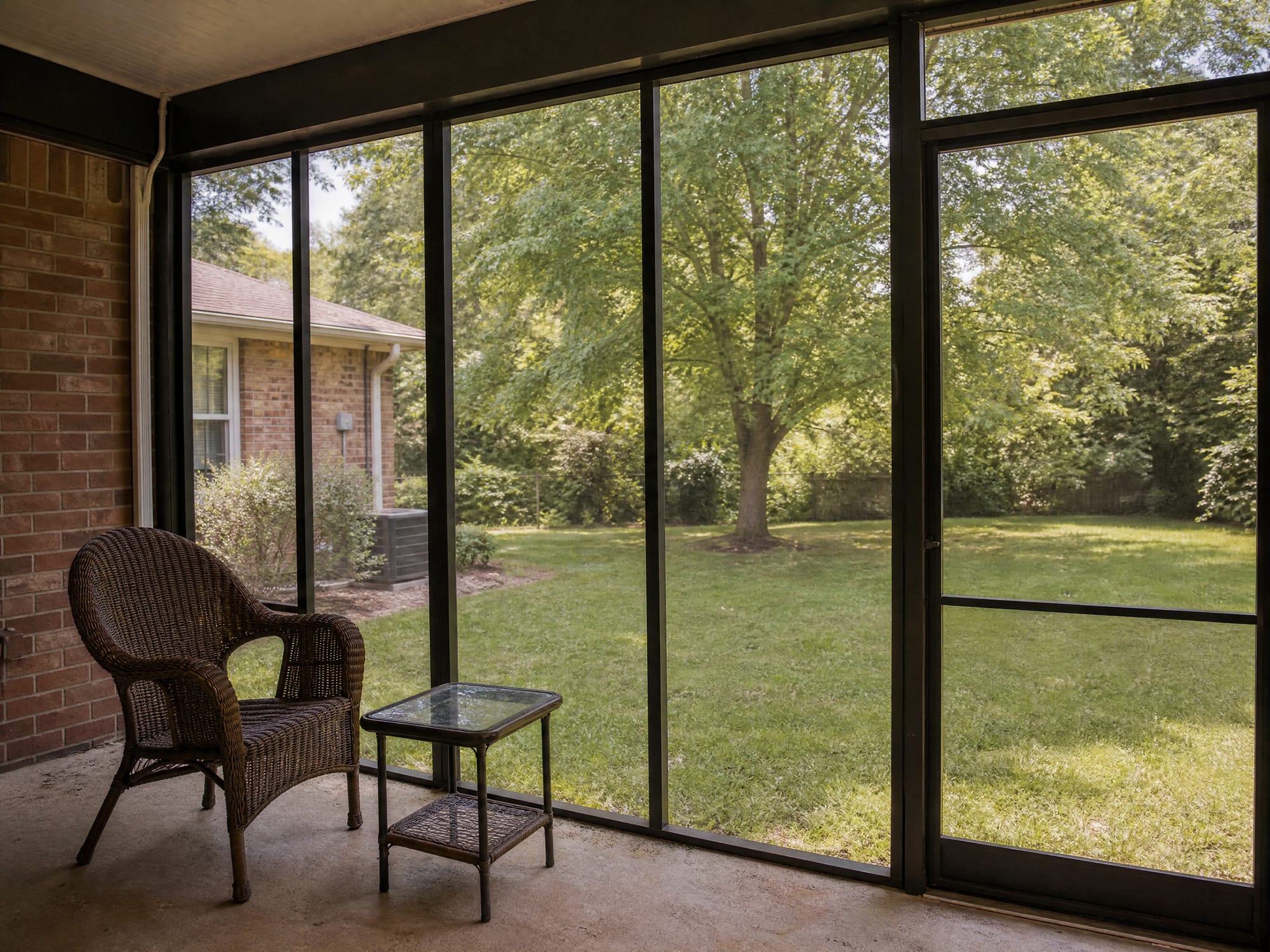
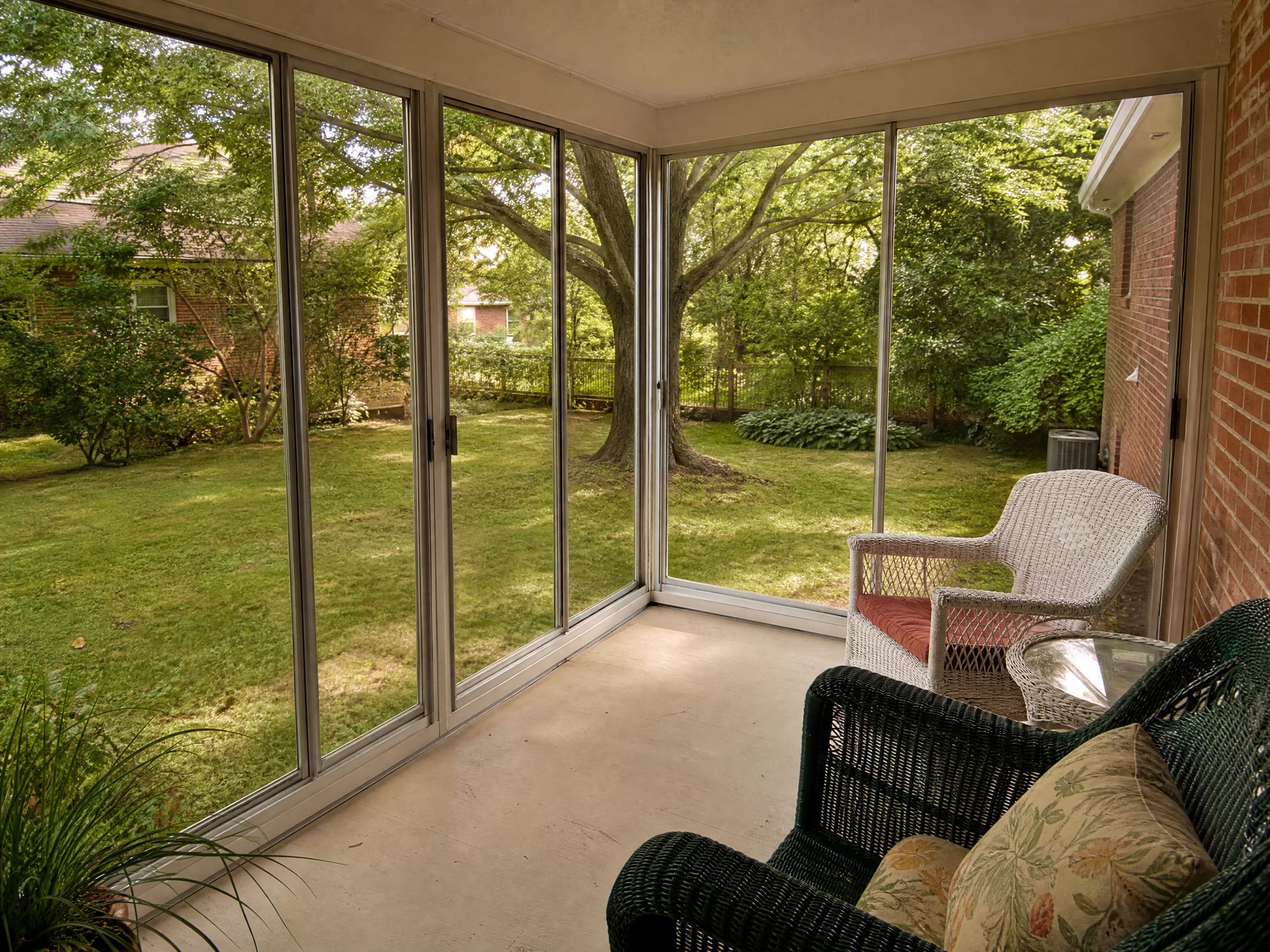
Here’s the whole fork in one view — from the lightest, cheapest room to a true addition. Read down until a row matches how you answered above, then follow its deep link.
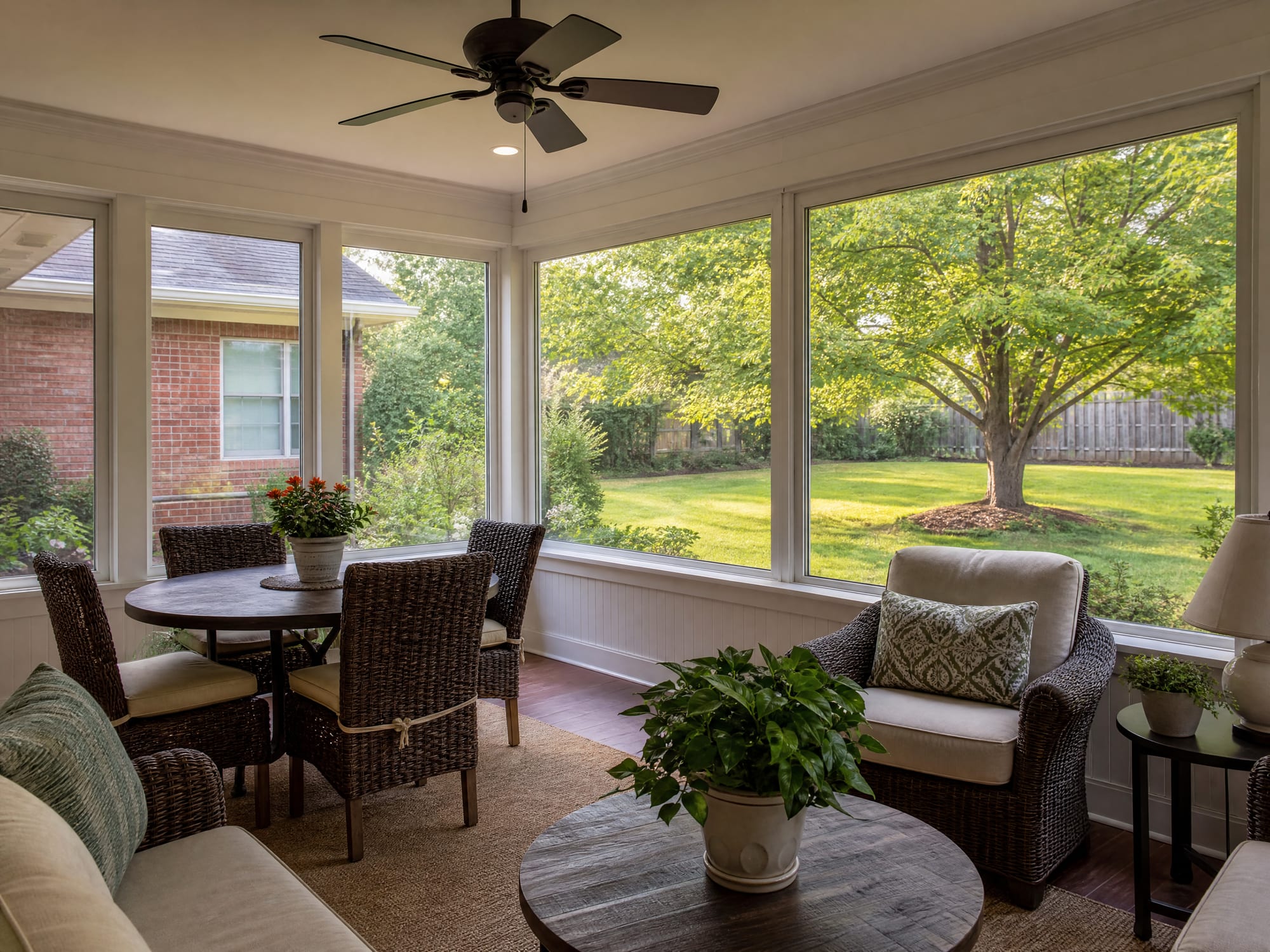
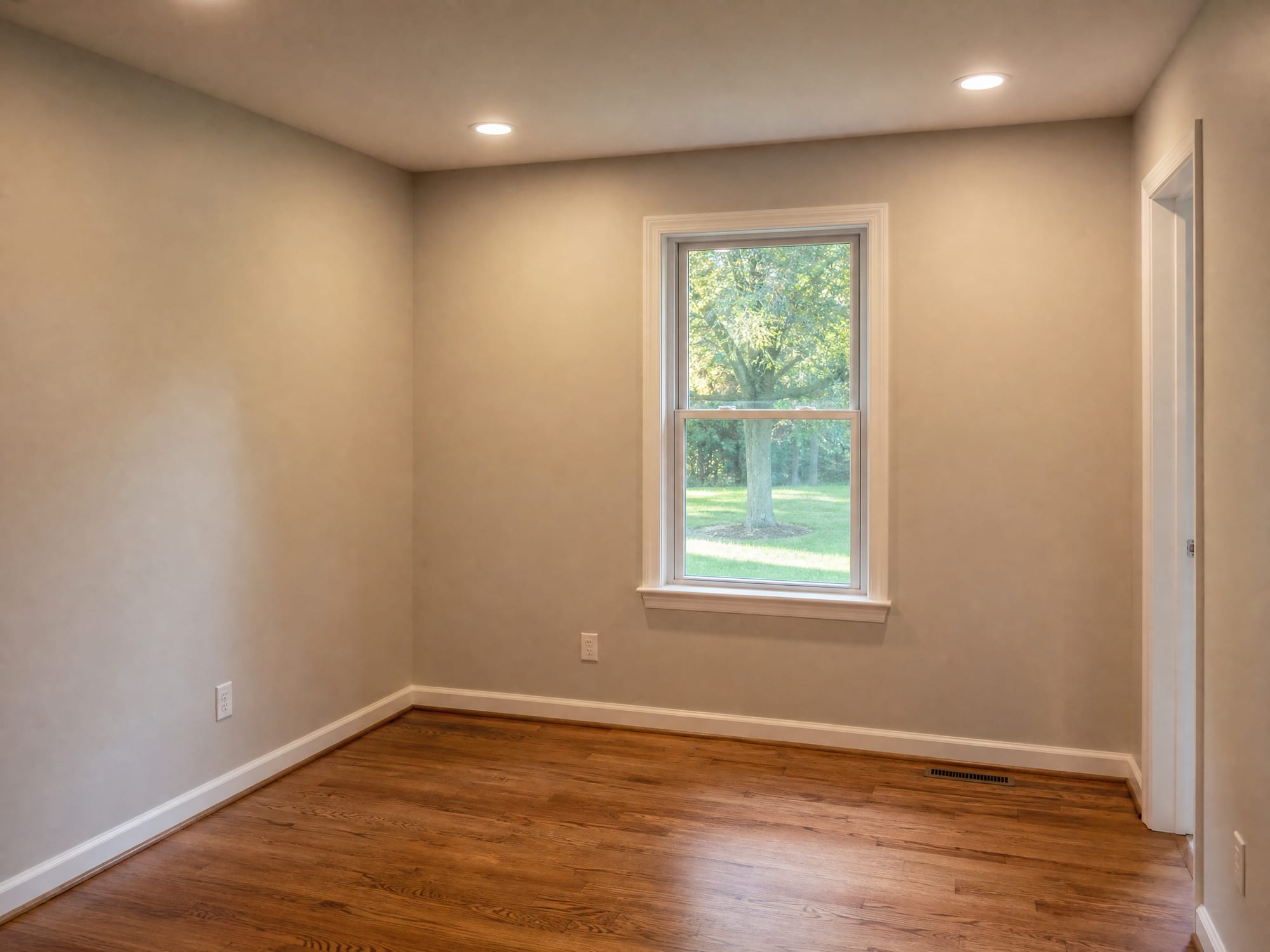
| Room type | At a glance | Heated & cooled? | NC usable months | Rough cost band (national) |
|---|---|---|---|---|
| Screen room / porch enclosure | 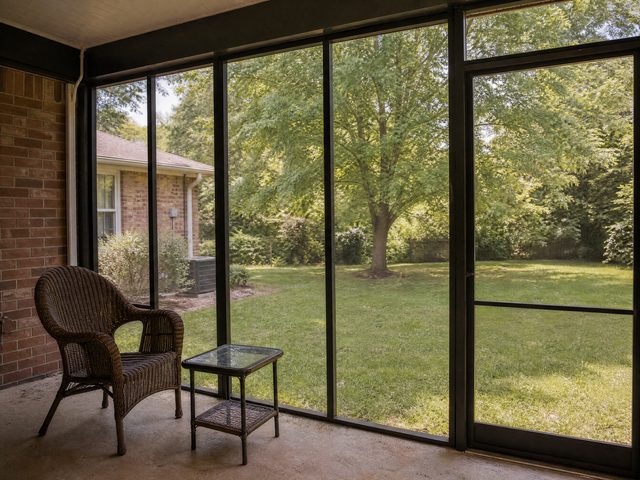 | No — open air, bugs out | Warm months (~6–8), no year-round use | Cheapest — roughly $25–$120/sq ft |
| 3-season sunroom | 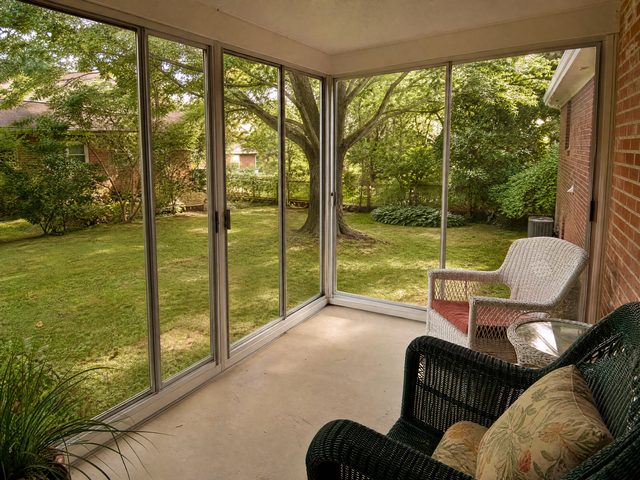 | Not tied to home HVAC — space heater at best | ~8 months by climate; sunny winter afternoons a bonus | ~$80–$150/sq ft (~$10k–$45k) |
| 4-season sunroom | 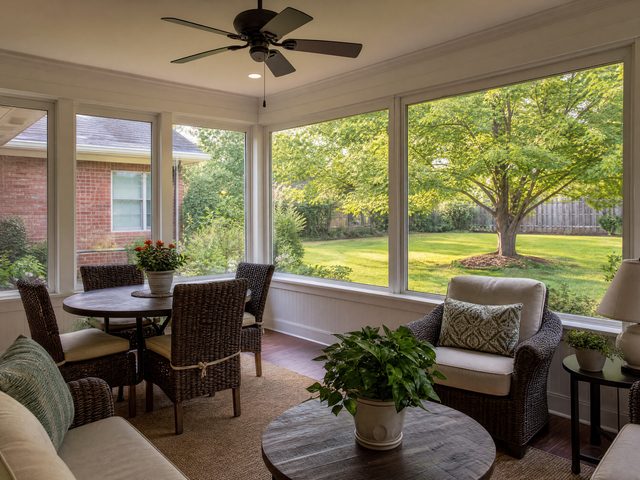 | Yes — insulated and on the home's heat/air, to code | All 12 — a true year-round room | ~$150–$300/sq ft (~$25k–$80k) |
| True home addition | 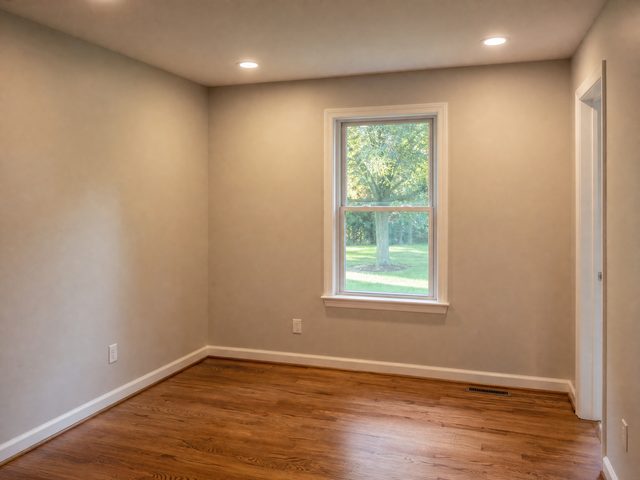 | Yes — fully, like any room of the house | All 12; full privacy, can be a bedroom/office | ~$80–$200+/sq ft |
Screen room / porch enclosure
- At a glance
-
- Heated & cooled?
- No — open air, bugs out
- NC usable months
- Warm months (~6–8), no year-round use
- Rough cost band (national)
- Cheapest — roughly $25–$120/sq ft
3-season sunroom
- At a glance
-
- Heated & cooled?
- Not tied to home HVAC — space heater at best
- NC usable months
- ~8 months by climate; sunny winter afternoons a bonus
- Rough cost band (national)
- ~$80–$150/sq ft (~$10k–$45k)
4-season sunroom
- At a glance
-
- Heated & cooled?
- Yes — insulated and on the home's heat/air, to code
- NC usable months
- All 12 — a true year-round room
- Rough cost band (national)
- ~$150–$300/sq ft (~$25k–$80k)
True home addition
- At a glance
-
- Heated & cooled?
- Yes — fully, like any room of the house
- NC usable months
- All 12; full privacy, can be a bedroom/office
- Rough cost band (national)
- ~$80–$200+/sq ft
Each of those rooms has a page that goes as deep as any contractor’s quote sheet. The most common fork is the middle two: 3-season vs 4-season, the real difference.
If bugs are the whole problem, start at the screen room guide or the broader patio enclosure guide. And if you’re eyeing a covered porch you already have, converting a screened porch to a sunroom covers what that really takes.
The August test — the catch nobody leads with
In North Carolina, the season that breaks a sunroom isn’t winter — it’s July, and the fix is the glass, not the label. A sun-facing room with a cheap single-pane package roasts in the afternoon no matter what the brochure called it, and an unusable summer room is every bit the regret an unusable winter one is.
Summer comfort in any glass room is a story. Low-SHGC glass rejects the July sun that a bargain package lets pour straight in and turn the room into a greenhouse.
That’s also why the glass package on a real 4-season room isn’t upsell trim — North Carolina’s code sets an energy number a conditioned room has to hit.
The same rating system runs your windows, so it’s worth understanding before any appointment: the glass that decides summer comfort walks through what U-factor and SHGC actually measure, and the sunroom windows guide covers the packages specific to these rooms.
NC homeowner takeaway: a “4-season” quote riding a 3-season glass package is a room that disappoints in both directions — too hot in July, too cold in January. Make the quote name the U-factor and the SHGC.
What it actually costs here
As a general market range, a 3-season room runs roughly $80–$150 per square foot and a 4-season $150–$300 — with a screen room cheaper and a true addition its own conversation. A whole NC project commonly lands anywhere from the low five figures to the mid-eighties, and the spread is real.
Those are national aggregator bands, not NC quotes. No NC-specific installed-cost dataset exists, so treat any “NC price” you’re handed as one contractor’s number, not a market fact.
What moves the total is rarely the brand name. It’s whether the room sits on an existing patio or needs a new frost-depth foundation, the glass and framing grade, and electrical work, and permits.
The full sunroom cost breakdown has the per-type tables and a worked 12×12 example; if you’re comparing two numbers that are thousands apart, start there. Weighing a prefab route instead? The sunroom kits guide covers where those save money and where they don’t.
Is a sunroom even worth it?
A sunroom pays you back mostly in enjoyment and use-months, and recovers only a portion of its cost at resale — so buy it for the mornings, not the payback. That’s the honest frame, and it’s a gentler math than the “adds instant square footage” pitch implies.
Commonly cited figures put resale recovery somewhere around 45–60% of project cost, higher for a 4-season built to code and lower for a screen room — national ranges, highly market-dependent, and not a clean line item in any single authority’s report.
And here’s the appraisal truth said plainly: a 3-season room usually does not count as heated square footage, and a screened porch counts as zero. Only a true 4-season, built to living-space standard, reliably counts.
The full honest version — the enjoyment-vs-resale ledger, the square-footage nuance, and the “when it’s NOT worth it” cases — lives on are sunrooms worth it?. Read it before you let anyone sell you on .
Do I need a permit? The NC reality
In North Carolina a building permit is almost always required, and converting an existing porch usually needs more paperwork, not less. This is the part homeowners underestimate, so here it is straight.
NC counties typically require a permit and plan review for a sunroom, plus separate electrical or mechanical permits by scope.
Converting a screened or covered porch is often the stricter path: if it sits on an open pier foundation, the plans usually need to be designed by an or architect licensed in NC, who provides an “As-Built letter” certifying the existing footings and framing can carry the new load.
There’s also a glass-performance number tied to the permit on a conditioned room:
That number is why a real 4-season glass package is code-driven, not markup. Budget for the permit and any stamped plans as part of the project, not a surprise at the end — the NC sunroom permit guide walks the whole process, and always confirm the specifics with your local Authority Having Jurisdiction.
A sunroom, or a real addition?
If you need private, fully conditioned space — a bedroom, an office with a door, plumbing — a true addition is the honest answer, even though a sunroom costs less. Sunrooms run roughly 30–50% less than a comparable addition, but they trade privacy and plumbing for light and an indoor-outdoor feel.
Choose a sunroom when the goal is light, views, and a bright casual room, and budget is a real constraint. Choose a full addition when you need solid walls, maximum functional square footage, and the resale that comes with it.
The sunroom vs addition comparison lays out where each one wins, and if you’re still gathering ideas for the space, the sunroom ideas guide is a good browse.
When you’re ready to price and build, how to choose a sunroom contractor covers what a fair quote names and the red flags worth walking away from.
Get a real read on your backyard
A range tells you whether a quote is in the right neighborhood. It can’t tell you your room — that depends on how you’ll use the space, which direction the wall faces, whether an existing porch can carry the load, and how many months a year you’ll actually sit out there.
If you want a no-pressure second opinion, have me walk your space with you. I’ll help you pick the right room and name what’s driving the number — including, and I mean this, the answer where a screen room is all your house needs. If you’re in the Triad, a Winston-Salem sunroom consult is the local version of the same conversation.
Sources, Verification & Fact-Checking verified July 2026
Every load-bearing fact on this page is sourced and verified against a primary authority.
Verified July 2026 via direct review of the cited authority — the links open the controlling source so you can check it yourself rather than take our word.
- Cost bands — screen room cheapest (~$25–$120/sq ft); 3-season ~$80–$150/sq ft (~$10k–$45k); 4-season ~$150–$300/sq ft (~$25k–$80k); a true addition ~$80–$200+/sq ft. General national cost-guide ranges (2025–2026 remodeling data), not NC quotes — they swing hard by region, materials, and year, and no NC-specific dataset exists, so this band carries no source link by design. The deep pricing and a worked example live on the sunroom cost page. Verify against a real itemized quote.
- Resale recovery — commonly cited around 45–60% of project cost, higher for a 4-season and lower for a screen room; a sunroom pays back mostly in use, not payback. National ranges echoed across cost aggregators, highly market-dependent, and NOT a clean line item in the current Remodeling Cost vs. Value report (recent editions fold sunrooms under “additions”) — so it carries no source link. Treat as order-of-magnitude and confirm with a licensed NC appraiser for your county.
- Appraisal — a 3-season room usually does NOT count as heated Gross Living Area; a screened porch counts as zero; only a 4-season built to living-space standard reliably counts, and any of it can raise property taxes. National appraisal practice, which no single primary authority publishes as a bright-line rule, so it carries no source link; verify with a licensed NC appraiser. Detail on the worth-it page.
- NC permitting — a building permit and plan review are almost always required; porch-to-sunroom conversions on open pier foundations frequently need stamped structural plans and an As-Built letter from an NC-licensed engineer or architect. Local NC jurisdictions require plan review for additions that add habitable area; conversions on existing piers must be analyzed by an NC-licensed design professional. Confirm requirements with your Authority Having Jurisdiction. (view source — Town of Apex, NC, Sunroom Permitting & Construction Guide)
- NC glass code — a conditioned, thermally isolated sunroom must meet a max fenestration U-factor of 0.40 and, where cooling is present, a max SHGC of 0.40 for its climate zones. NC amends the national IECC Zone-3 base (0.45) DOWN to 0.40 under NCECC R402.3.5 for Climate Zones 3–5 — the same national-vs-NC trap as the R310 egress amendment. Stated to the 2018 NC Residential Code in effect as of 2026; the literal ICC text is subscription-gated, so confirm the current code cycle and local requirements with your AHJ. (view source — 2018 NC Residential Code, Ch. 11 (Energy Efficiency), codes.iccsafe.org (subscription))