



If you’ve gotten one quote and it landed like a punch — more than a new roof, you keep thinking — you’re not crazy, and you’re not necessarily being ripped off. But you might be. The trick is knowing how to tell, and that comes down to one number: the price per window, installed.
Here’s the honest version, from someone who measures and sells these for a living.
How much do replacement windows cost in NC? It runs in tiers, per window installed: recycled-content vinyl ~$450–$1,600, first-generation vinyl ~$800–$2,400, composite/fiberglass ~$2,400–$4,400. A typical 10-window home lands somewhere around $10,000–$35,000. The spread is that wide because the biggest driver is which tier you’re sold and who you call, not the window. Compare quotes per window, never by the whole-project total.
Ranges here are general 2026 NC figures — a starting band, not your quote. Last reviewed June 2026.
What’s a fair per-window installed price in NC?
Look at the per-window installed price — it’s the only number you can actually compare. Two “$20,000” quotes aren’t equal if one is for 8 windows and the other is for 14. Divide the total by the window count and you’ve got the unit that tells the truth.
| Material | Look | Typical installed range (per window) | NC verdict |
|---|---|---|---|
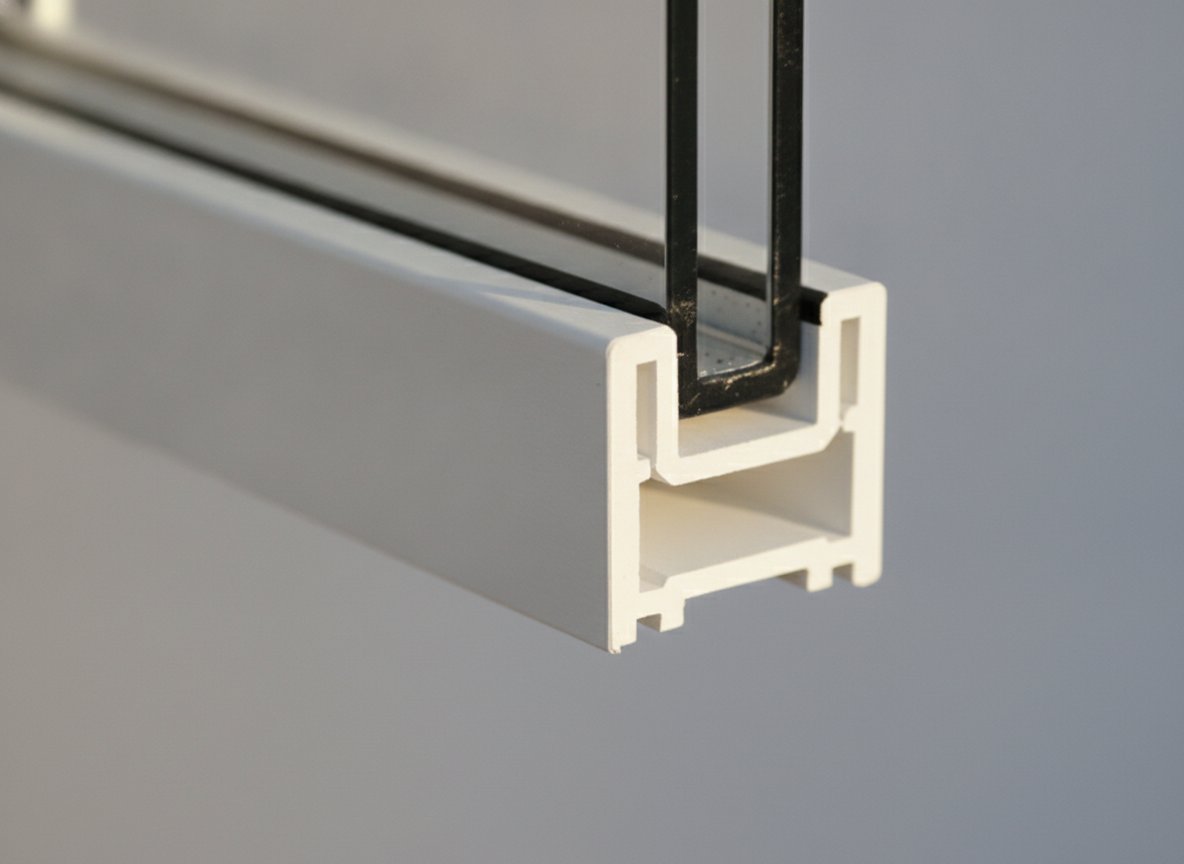
| Recycled-content vinyl | 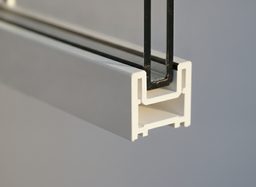 | ~$450–$1,600 | The NC value default (entry tier) |
| First-generation (virgin) vinyl | | ~$800–$2,400 | Virgin PVC; commonly the in-home-sales tier |
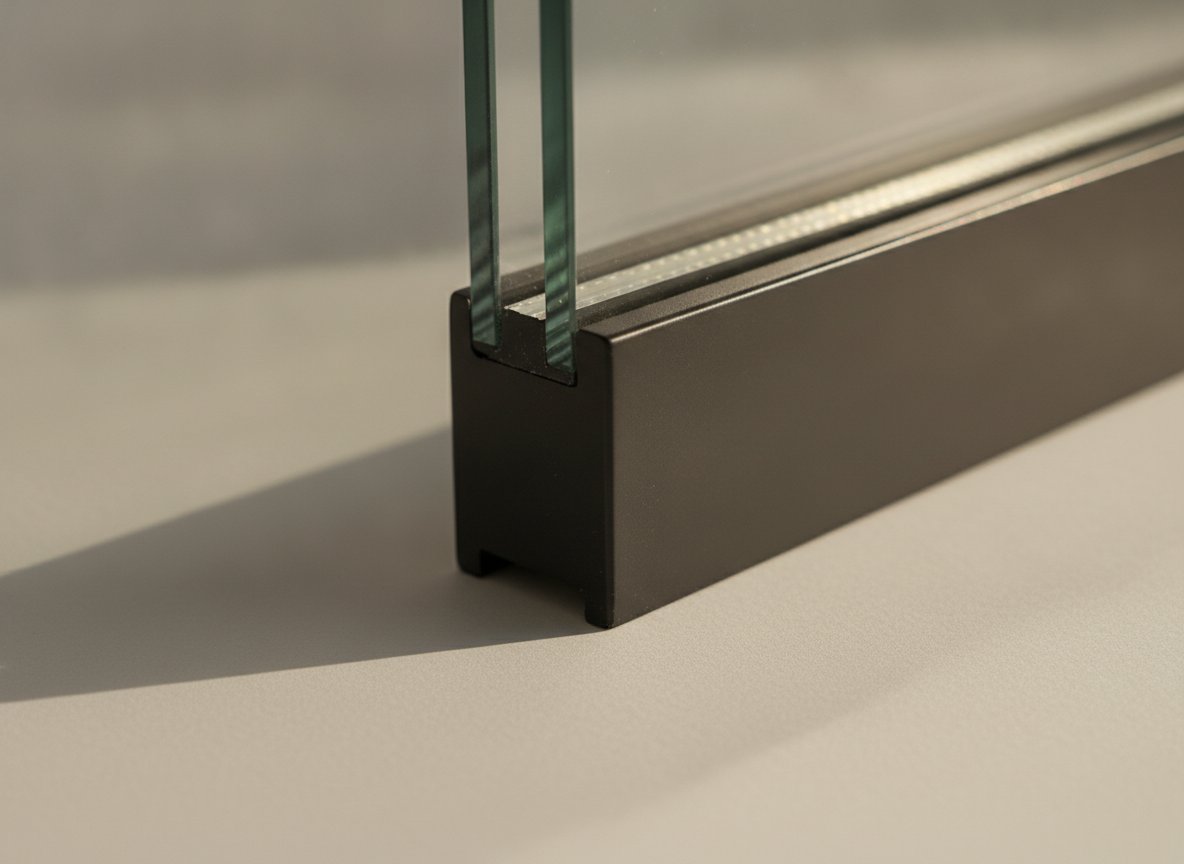
| Fiberglass / composite | 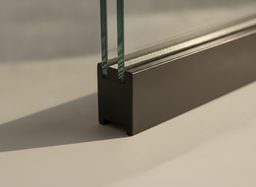 | ~$2,400–$4,400 | Worth it for longevity, not payback |
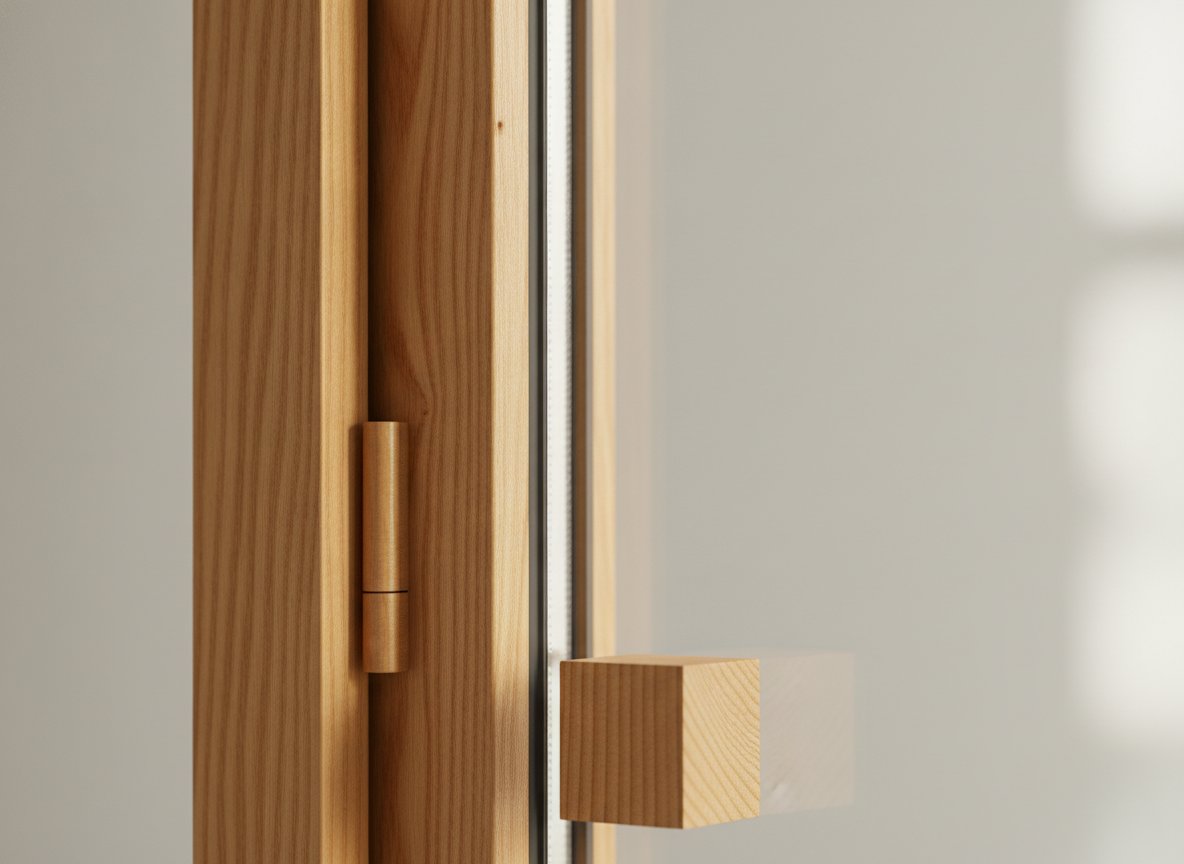
| Wood | 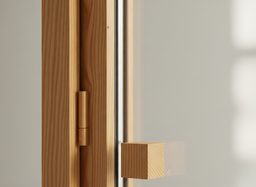 | Higher, varies widely | Character — highest maintenance |
Recycled-content vinyl
- Look
-
- Typical installed range (per window)
- ~$450–$1,600
- NC verdict
- The NC value default (entry tier)
First-generation (virgin) vinyl
- Look
-
- Typical installed range (per window)
- ~$800–$2,400
- NC verdict
- Virgin PVC; commonly the in-home-sales tier
Fiberglass / composite
- Look
-
- Typical installed range (per window)
- ~$2,400–$4,400
- NC verdict
- Worth it for longevity, not payback
Wood
- Look
-
- Typical installed range (per window)
- Higher, varies widely
- NC verdict
- Character — highest maintenance
Vinyl is the NC value workhorse — but “vinyl” is two tiers, not one. Recycled-content stock is the entry default; first-generation (virgin) vinyl is a real step up in colour and weld consistency, and it’s commonly what the in-home-sales brands quote. Fiberglass and composite cost more again and buy you dimensional stability and longevity — not automatically better energy numbers. Whatever you’re quoted, get it down to dollars per window installed, and pin down which tier it is, before you compare it to anything.
Quote sanity-checker
Is your window quote reasonable?
Drop in the total and the number of windows. We'll get it to a per-window installed price — the only number you can actually compare.
Enter both numbers to see your per-window price.
A range, not a quote — general 2026 NC tiers: recycled-content vinyl ~$450–$1,600, first-generation (virgin) vinyl ~$800–$2,400, composite / fiberglass ~$2,400–$4,400. Which tier you're being sold matters more than the number — verify for your project. Nothing you type is saved or sent.
What does a whole-house window project cost?
A whole-house total is a real number, but a misleading one to shop on. Here are honest bands:
- A small 3-bedroom home: roughly $6,000–$12,000
- An average 10-window home: roughly $10,000–$35,000
- 25 windows in quality vinyl: roughly $18,000–$30,000
Why the enormous spread? Because the total swings on window count and on the sales-model premium below.
That’s exactly why I keep pushing you back to the per-window unit. A whole-house number is where overpricing hides. The per-window price is where it shows.
Why does the same window cost 3x more depending on who you call?
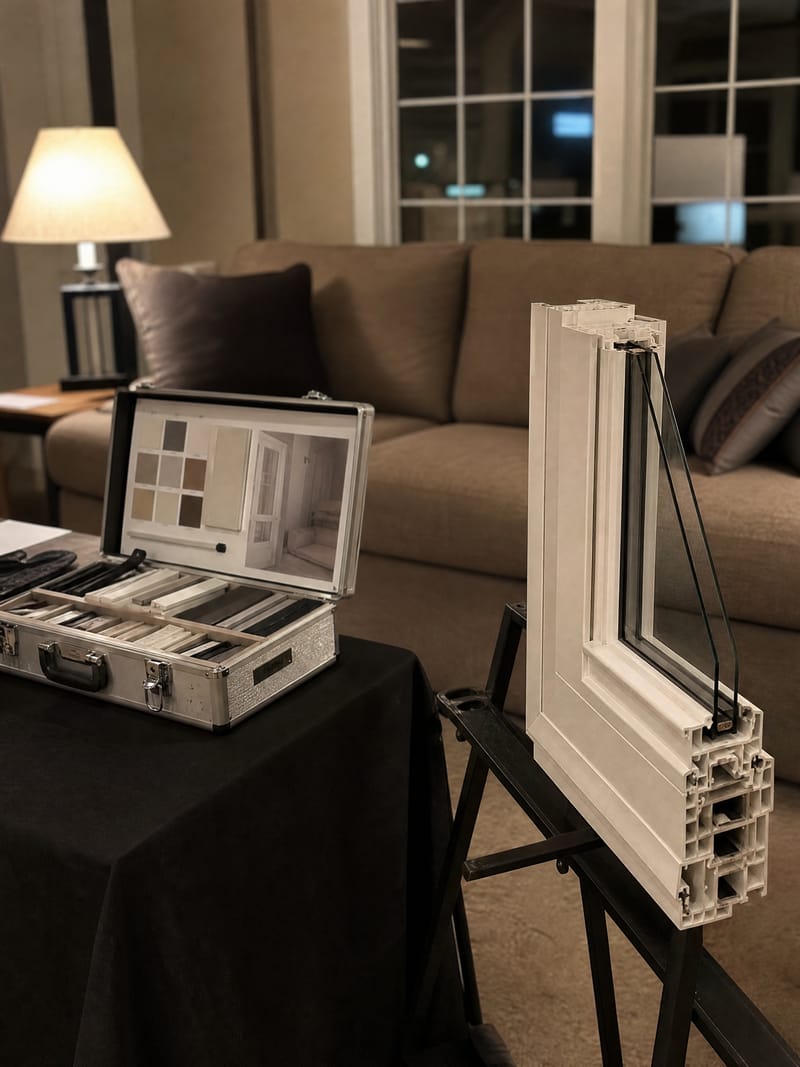
This is the section the big brands don’t want you to read. The single largest line item in a window quote often isn’t the glass — it’s the sales model.
A national in-home-sales brand — the long living-room presentation, the “sign tonight” discount — can charge two to three times what a local installer charges for a comparable-quality window. That markup pays for the television ads and the in-home sales operation. It does not buy you better glass.
Here’s the tell, and it’s right out in the open: the national cost guides quote vinyl at $350–$900 as a “material” figure. But the real installed quote from an in-home brand often runs double that for a similar window.
That gap — between the “material price” and what you’re actually charged — is the sales-model premium. It’s not the window. It’s the way it’s being sold to you.
So when a quote lands way above the ranges up top, the most likely explanation isn’t a better window. It’s a better salesman.
What actually drives a window’s price?
Biggest movers first:
- Sales model. Covered above — the biggest swing of all.
- Frame material. Vinyl (least) → fiberglass/composite (premium) → wood (most). Fiberglass typically runs ~$300–$700+ more per window than comparable vinyl.
- Glass package. coatings, argon fill, double- vs triple-pane, and impact/laminated glass (often code-required on the coast) each add cost. In our climate the coatings that manage summer heat usually matter more than chasing the lowest number.
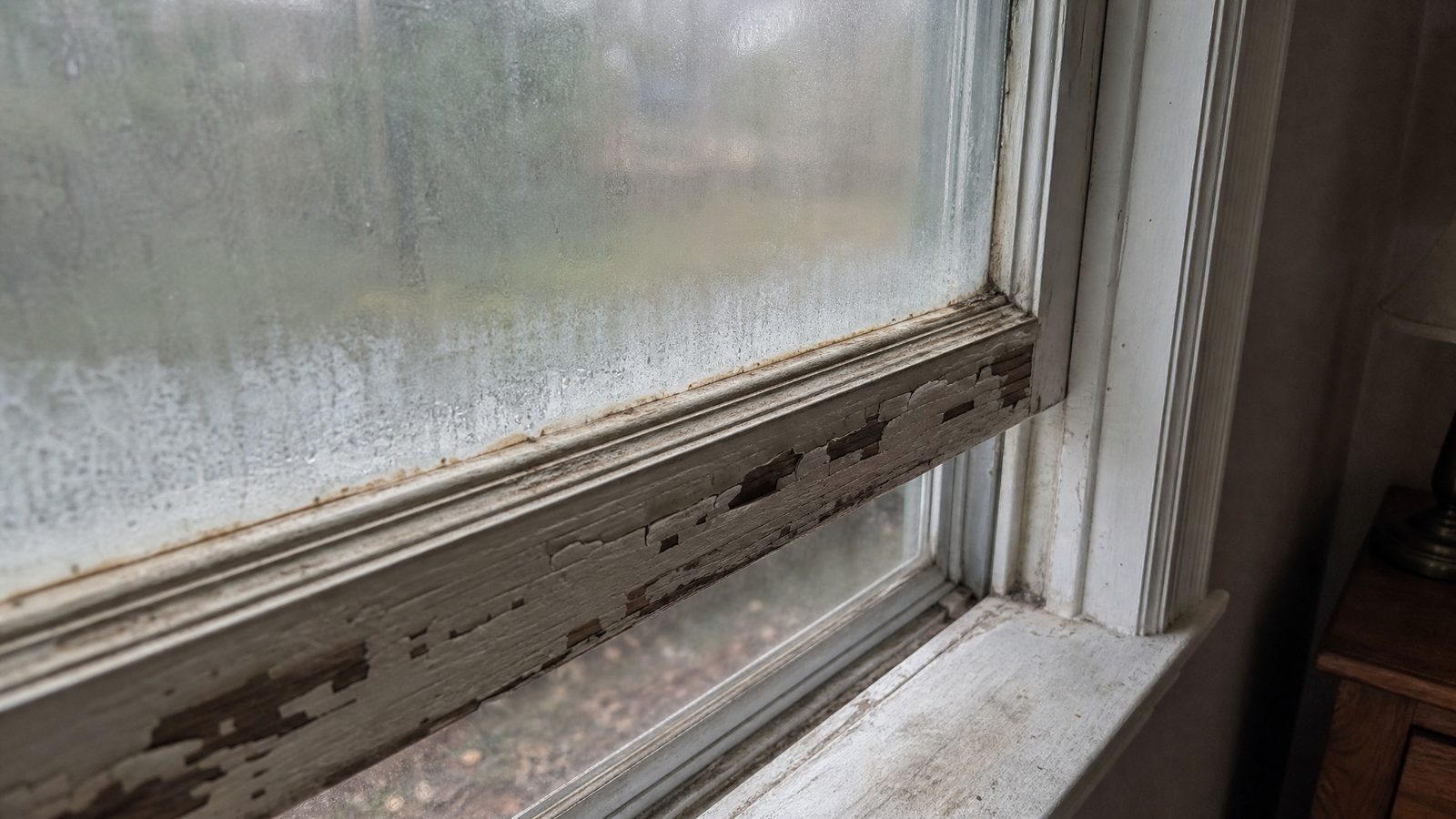
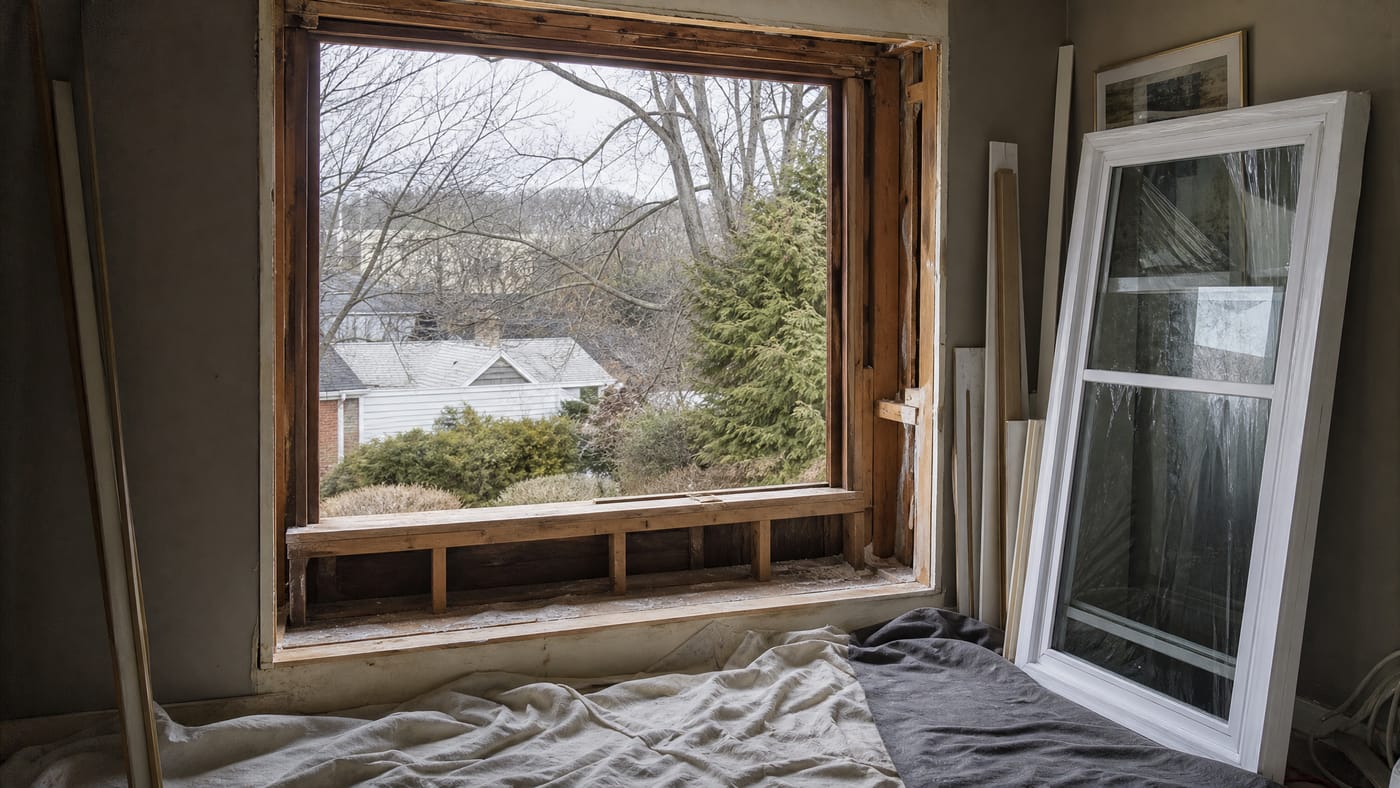
- Full-frame vs insert. An insert drops a new window into the sound existing frame (cheaper). A full-frame tears out to the studs — more labor and material, but the right call when the frame or surrounding wood is rotted. Expect full-frame to add roughly 20–30%.
- Size, style, and access. Big windows, casements and bays, second-story access, and old-window disposal all add labor.
Is fiberglass worth the upcharge over vinyl?
Honestly? Sometimes — but not for the reason you’ll be sold. Fiberglass runs roughly $300–$700+ more per window. It earns that for dimensional stability, holding dark colors, and longevity — not for a faster energy payback. If you’re staying in the home long-term or want a dark exterior, it can be worth it. If value and solid insulation matter most, a quality vinyl is the smart NC pick. (More in the vinyl-vs-fiberglass breakdown.)
Watch out for the monthly-payment and same-night-discount traps
A high price is one thing. A high price plus a pressure tactic is the combination to walk away from.
- The same-night discount. “$44,000 today, $35,000 if you sign now” isn’t a deal — the drop proves the first number was air. A real price is a real price next week.
- The monthly-payment fog. “Just $X a month” hides the total and lets the sticker quietly grow. Always re-anchor on the total project cost, financing aside.
- The deferred-interest trap. Many “0% ” promos are deferred-interest plans: miss the payoff date and you owe retroactive interest on the whole original amount. Ask whether it’s true 0% or deferred.
- The dead tax credit. The federal 25C window credit expired December 31, 2025. It is not available for 2026 installs. Anyone dangling a current-year window credit is reading from last year’s script.
Is THIS quote reasonable?
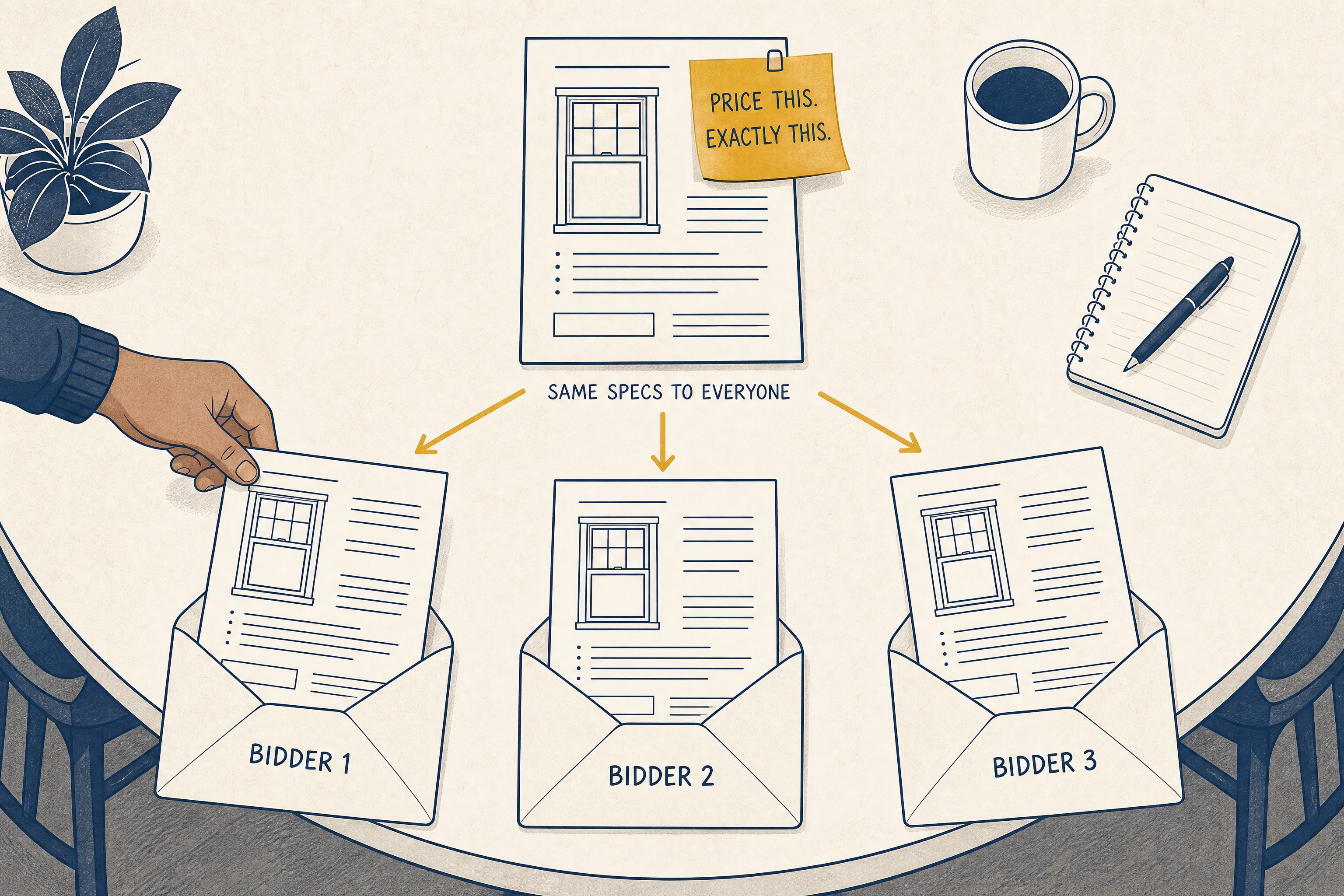
Run it through three quick checks: normalize it to a per-window installed price, compare that to the NC ranges up top, then overlay the red flags on a window quote. A number far over the range — with a sign-tonight discount attached — is almost always a pricier salesman, not a better window. Walk through the full method on is this quote reasonable?
And one last thing, because it’s the honest answer: windows are worth it for comfort, quiet, and no more drafts — not as a dollars-back investment.
The payback math is the part that gets oversold. If you’d like an unbiased read on a quote you already have, that’s exactly what a no-pressure consult is for — a second opinion, not a sales pitch!
Sources, Verification & Fact-Checking verified June 2026
Every load-bearing fact on this page is sourced and verified against a primary authority.
Verified June 2026 via direct review of the cited authority — the links open the controlling source so you can check it yourself rather than take our word.
- Cost ranges (per-window tiers and whole-house, full-frame vs insert): windowsresource knowledge base (
cost-and-warranty.md§2). The entry band (recycled-content vinyl ~$450–$1,600) is grounded in 2026 national cost guides; the upper tiers (virgin vinyl ~$800–$2,400; composite/fiberglass ~$2,400–$4,400) come from quotes collected first-hand in the NC market in 2025, which national aggregators — weighted to big-box and local-installer work — run below. General NC market bands, not a quote; verify for your project. - The sales-model premium (national in-home brands vs local installers): knowledge base + a structural review of the highest-ranking cost pages.
- Financing mechanics (“0% APR” / deferred interest): knowledge base.
- Federal 25C window tax credit expired 12/31/2025: P.L. 119-21 (One Big Beautiful Bill Act) accelerated the termination of the IRC §25C credit; the IRS confirms improvements like windows placed in service after 12/31/2025 are no longer eligible. (view source — IRS, Energy Efficient Home Improvement Credit (FS-2025-05))
- Energy savings (~10–15%) and resale recovery (~65–80%): general industry figures — directional, not a payback promise.