

You looked up “are Pella windows good,” and you got a wall of conflicting answers. One person swears by them. The next says they overpaid and the service was slow. A third says theirs were the cheapest thing at the big-box store.
They’re probably all telling the truth — about different windows that share a name.
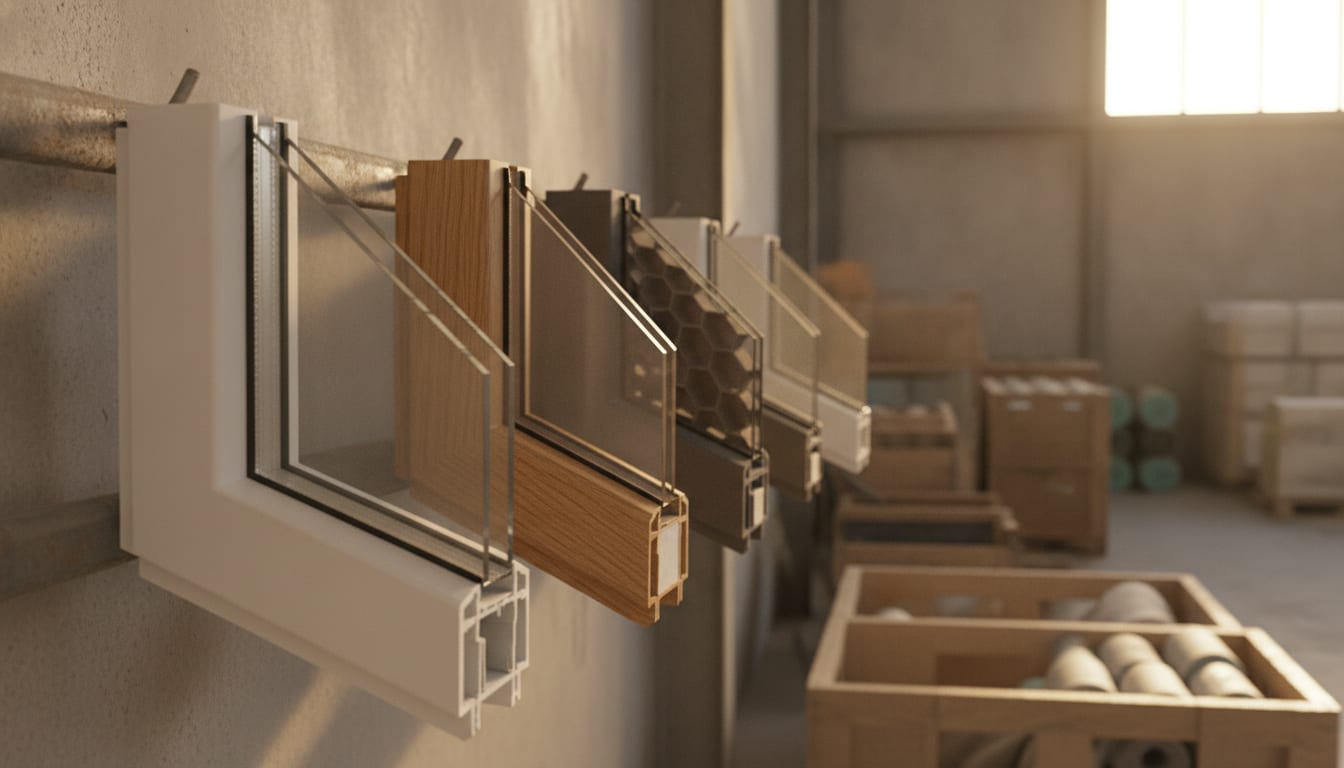
Pella is a manufacturer with a very wide ladder, from a budget vinyl line up to premium wood and wood-clad, sold through several different channels. That’s why two honest people can review “Pella” and describe two different purchases. This page sorts the ladder out, keeps every brand-specific fact attributed, and flags the numbers I couldn’t independently verify so nothing here reads as gospel it hasn’t earned.
Is Pella worth it? Pella makes generally well-regarded windows across a broad line — budget vinyl through premium wood — and owner reviews are usually strong on the product. Which line you’re quoted, and how you buy it, decide whether it’s worth it for your house. Here’s the honest breakdown: facts attributed, my opinion labeled as opinion, and every spec, price, and warranty term marked for verification rather than stated as fact.
What Pella actually is — and how you can buy it
Pella is a manufacturer, not a single storefront — and there’s more than one way to buy its windows, which is the first thing that makes two quotes diverge. The shape below is what matters for comparing quotes; confirm the current line names on Pella’s own site, since lineups shift over time.
Broadly, a homeowner can get to a Pella window three ways:
- A Pella showroom / branded install. Pella runs branded showrooms that sell and install — closer to a full-service experience, with the product, the sale, and the crew under one roof.
- An independent dealer or contractor. You (or a builder) buy the window through a dealer channel and handle the install separately.
- Big-box retail. The budget end of the line shows up at home-improvement retailers, often with install arranged through the store.
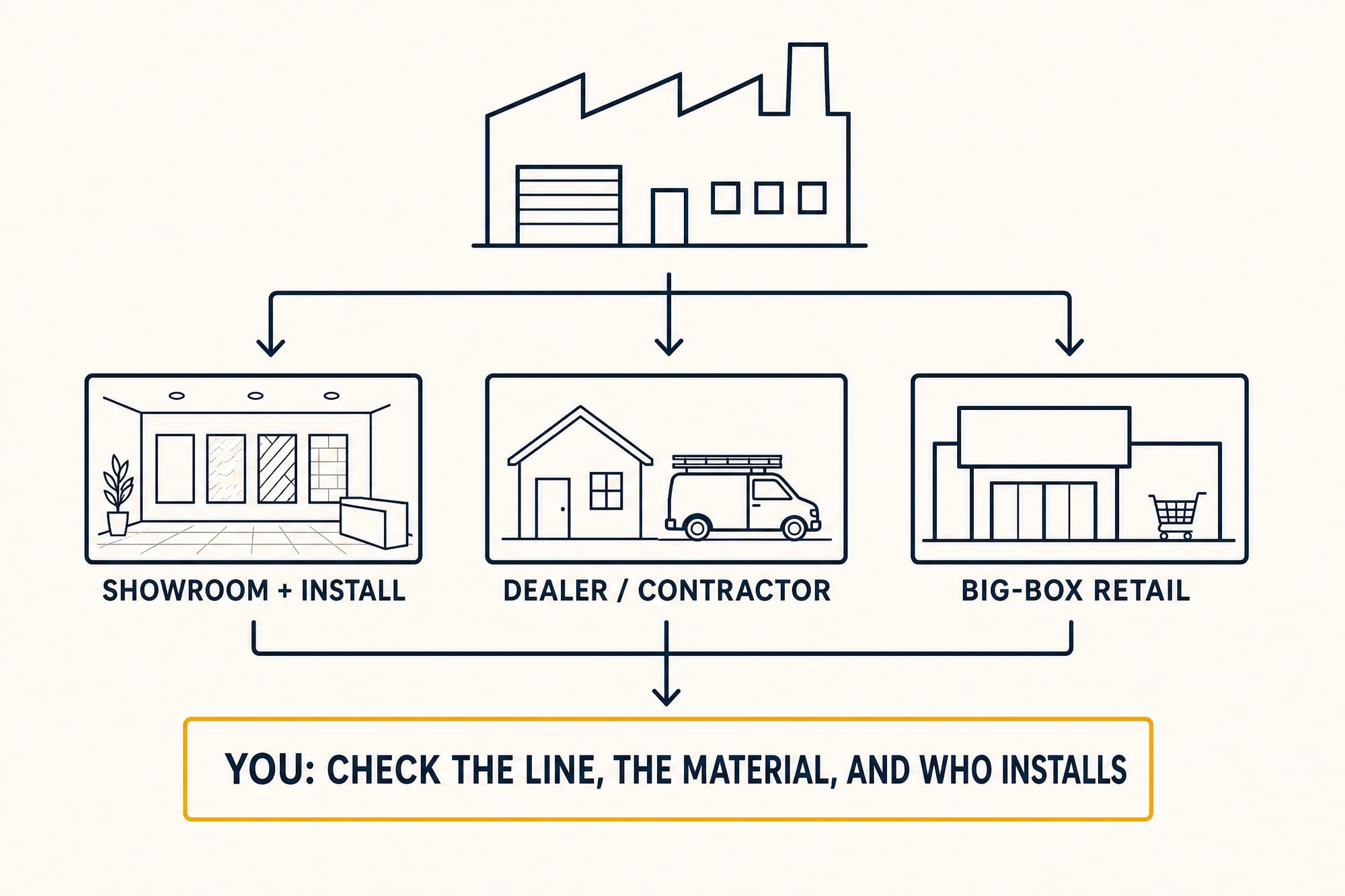
Why this matters to you: the same brand name can arrive as a budget vinyl window installed by a big-box subcontractor, or a premium wood window installed by a branded crew. Those aren’t the same purchase, and they shouldn’t carry the same expectations.
The Pella line ladder — which one is on your quote?
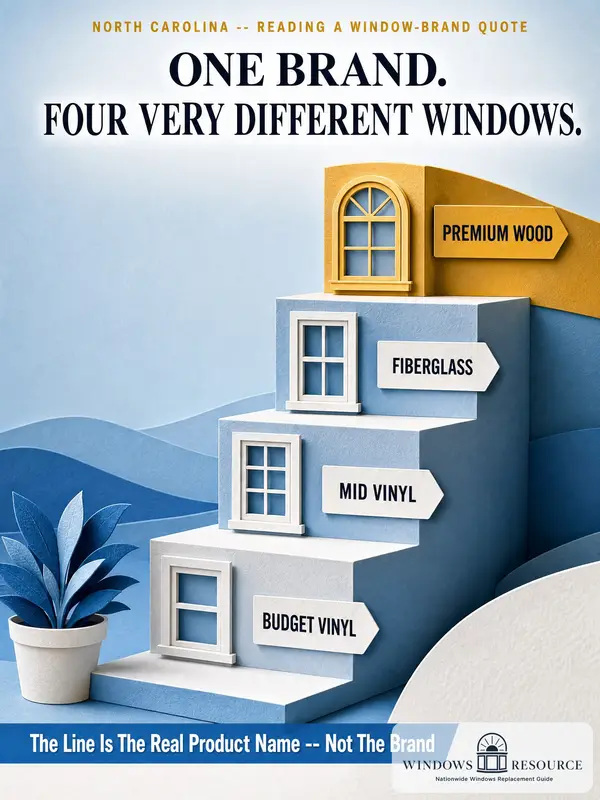
“Are Pella windows good?” can’t be answered until you name the line, because the ladder runs from budget vinyl to premium wood. Pella’s lineup is broad, and the line name — not the brand — is the real product name.
Here’s the ladder by material tier, which is the part that stays stable even as specific line names change. Treat the line names as a starting point to confirm on Pella’s current site, not as a locked spec sheet.
| Tier | Material | Where it sits | Honest note |
|---|---|---|---|
| Budget vinyl | Vinyl | Entry line, often big-box | Compare it against other good vinyl on the NFRC label, not on the Pella name |
| Mid vinyl | Vinyl | Value-to-mid | Solid mid-market vinyl; the value sweet spot for a lot of homes |
| Fiberglass | Fiberglass | Mid-to-upper | Stiffer than vinyl; holds dark colors well — a real NC consideration on hot west walls |
| Premium wood / wood-clad | Wood interior, clad exterior | The flagship tier | The look people picture when they say 'a Pella' — priced accordingly |
Budget vinyl
- Material
- Vinyl
- Where it sits
- Entry line, often big-box
- Honest note
- Compare it against other good vinyl on the NFRC label, not on the Pella name
Mid vinyl
- Material
- Vinyl
- Where it sits
- Value-to-mid
- Honest note
- Solid mid-market vinyl; the value sweet spot for a lot of homes
Fiberglass
- Material
- Fiberglass
- Where it sits
- Mid-to-upper
- Honest note
- Stiffer than vinyl; holds dark colors well — a real NC consideration on hot west walls
Premium wood / wood-clad
- Material
- Wood interior, clad exterior
- Where it sits
- The flagship tier
- Honest note
- The look people picture when they say 'a Pella' — priced accordingly
The practical takeaway: the line is the real product name. “Pella” on a quote tells you the manufacturer. The line and material tell you what you’re actually buying — and whether two quotes are even describing the same window.
Coastal NC buyers have one more thing to name: impact-rated glazing. If your county sits in a wind-borne-debris zone, the required product is laminated impact glass, which is a code-and-safety question separate from the energy line you pick. Confirm the impact line and its rating on the quote, and don’t let it get conflated with the U-Factor conversation.
Is Pella good quality? What owners praise — and complain about
Reported, not editorialized: praise clusters on the product and the wood look; complaints cluster on customer service and warranty responsiveness. To be precise about sourcing, these are recurring themes from aggregated owner reviews on consumer platforms — what homeowners describe, not facts I’m stating about the company.
- The praise. The wood and wood-clad windows draw consistent compliments on looks and feel, and buyers in the mid and upper lines generally report getting a well-made window.
- The service complaint. The most common recurring gripe is customer-service and warranty responsiveness — slow claim handling or difficulty getting a post-install issue resolved in some accounts. Reviews on this run mixed: plenty of smooth experiences, and a meaningful cluster of frustrated ones.
- The variability. Because the buying channel varies so much, install and service experience vary with it. A branded-showroom job and a big-box-subcontracted job can read very differently under the same name.
What do Pella windows cost?
Context, not a quote: the span is wide because the ladder is wide. National cost aggregators put Pella windows across a broad installed range depending on line, material, size, and glass package — a band so wide it’s almost a category rather than a price. The bottom is a budget vinyl unit; the top is a custom wood opening.
That width is the answer to the two-quotes mystery. A budget vinyl line sits at the bottom of the band; a premium wood line sits at the top; and the buying channel adds or removes overhead on top of that.
I’m deliberately not printing a dollar figure here, because any single number would be a national estimate dressed up as an NC fact — and Pella’s own range is too wide for one number to mean anything.
Get your line’s price per opening, itemized, and run it through the quote sanity-check like any other bid. The broader cost levers — frame material, install type, window count — live on the cost page, and they usually move your total more than the brand name does.
The warranty — read your line’s, not the brochure’s
Pella publishes a limited warranty, and the terms vary by line and material — so the honest move is to read the current document for the line on your quote before any number from a sales conversation carries weight.
I’m deliberately not quoting year-terms here. Warranty terms change, they differ across the vinyl, fiberglass, and wood lines, and “lifetime” in window warranties is a defined fine-print term — the product’s service life as the manufacturer defines it, not yours.
What matters more than the brand-level headline is two local questions: what does this line’s product warranty actually cover, and who honors the labor side if an install problem shows up in year three?
That labor question is a local answer — get it in writing from whoever is installing, the same way you would from any installer.
Who Pella fits — and who should look elsewhere
My take, labeled as opinion: Pella fits buyers who want the wood or wood-clad look and a deep catalog, and who’ll match the line to the job — and it’s a weaker fit for a pure price-first replacement. By scenario:
- You want wood interiors or a premium look → this is Pella’s natural lane, and it’s a real strength. Priced above vinyl, and owners in these lines largely report the product delivering. Worth putting on your shortlist. (opinion)
- You want stiff frames and dark exterior colors → the fiberglass tier is worth a look; fiberglass holds dark colors in hard NC afternoon sun better than standard vinyl tends to. Compare it on the wood-and-clad and material trade-offs for your budget. (opinion)
- You want the lowest number on a straightforward vinyl replacement → compare Pella’s budget vinyl honestly against other good vinyl on the label and the installed price. Sometimes it wins; sometimes a lean local contractor fitting a comparable window wins. The label doesn’t care about the name.
- You’re brand-shopping the mid-to-premium tier → it’s worth seeing how Pella lines up against a similar manufacturer. The Andersen review covers a brand with the same “which line, and who installs” structure, so the comparison is apples to apples.
Whichever line you land on, the two moves that protect you are the same ones that protect you with every brand: get the line and NFRC numbers named in writing, and vet the installer like they’re the product — because with a manufacturer brand, half the time they are.
So — is Pella worth a quote?
Getting a Pella quote costs you nothing and gives you a real mid-to-premium anchor for your comparison — just name the line, name the channel, and hold it to the same spec as every other bid. Hand every bidder the same window count and configuration, insist on per-window itemization with the line, material, U-Factor, and named, and let the differences sort themselves out.
That’s the same standard this site holds every brand to — including the premium ones.
Line every bid up, name the line on each, and the quotes mostly settle their own argument — which is more than those forum threads ever managed.
And if you’ve got a Pella quote in hand and want it read next to your other bids, that’s exactly what a no-pressure second opinion is for.
Sources, Verification & Fact-Checking verified July 2026
Every load-bearing fact on this page is sourced and verified against a primary authority.
Verified July 2026 via direct review of the cited authority — the links open the controlling source so you can check it yourself rather than take our word.
- Pella is a window and door manufacturer with a broad product line spanning vinyl, fiberglass, wood, and wood-clad materials. Verified against Pella’s site: the ladder runs from entry vinyl (Encompass by Pella) and mid vinyl (250 Series), up through fiberglass (Impervia, built from Pella’s Duracast fiberglass), to premium wood and wood-clad (Lifestyle Series and the flagship Reserve). Lineups shift over time, so confirm the current line named on your quote. (view source — Pella windows, official site)
- Pella windows can be purchased through multiple channels — branded showrooms with installation, independent dealers/contractors, and big-box retail — which is a primary reason two “Pella” quotes diverge. The budget vinyl lines are the ones that commonly appear at home-improvement retailers, while the wood and wood-clad lines run through showrooms and dealers. (view source — Pella windows, official site)
- Owner review themes (praise: product quality and the wood look; complaints: customer-service and warranty responsiveness; experience varies by buying channel): reputational — attributed to aggregated consumer-platform reviews (BBB, consumer-review sites) and reported, not editorialized. These are what reviewers describe; specific ratings and patterns are never stated here as company fact.
- Cost band (broad national installed range, budget vinyl through premium wood): directional aggregate from cost guides, never presented as a quote — routed to the cost page for real numbers. Specific figures intentionally not printed in the body.
- Warranty: structure only (“limited warranty, terms vary by line and material; ‘lifetime’ is a defined fine-print term; labor is separate from product”) — NO year-terms printed, by policy. Read the current published warranty document for the specific line on your quote. (view source — Pella limited warranty)
- The NFRC label is the one fair comparison standard across budget and premium lines, and ENERGY STAR climate-zone targets are the benchmark for any glass package — for most of NC (South-Central zone) that is U-Factor ≤ 0.28 and SHGC ≤ 0.23. Coastal NC wind-borne-debris zones require impact-rated (laminated) glazing as a separate code/safety matter from energy ratings. (view source — NFRC; view source — ENERGY STAR criteria)