

If you can hear the traffic hum through the glass with the window shut — if you’ve been awake long enough, often enough, that you can now tell a diesel from a motorcycle without opening your eyes — you’re not imagining it.
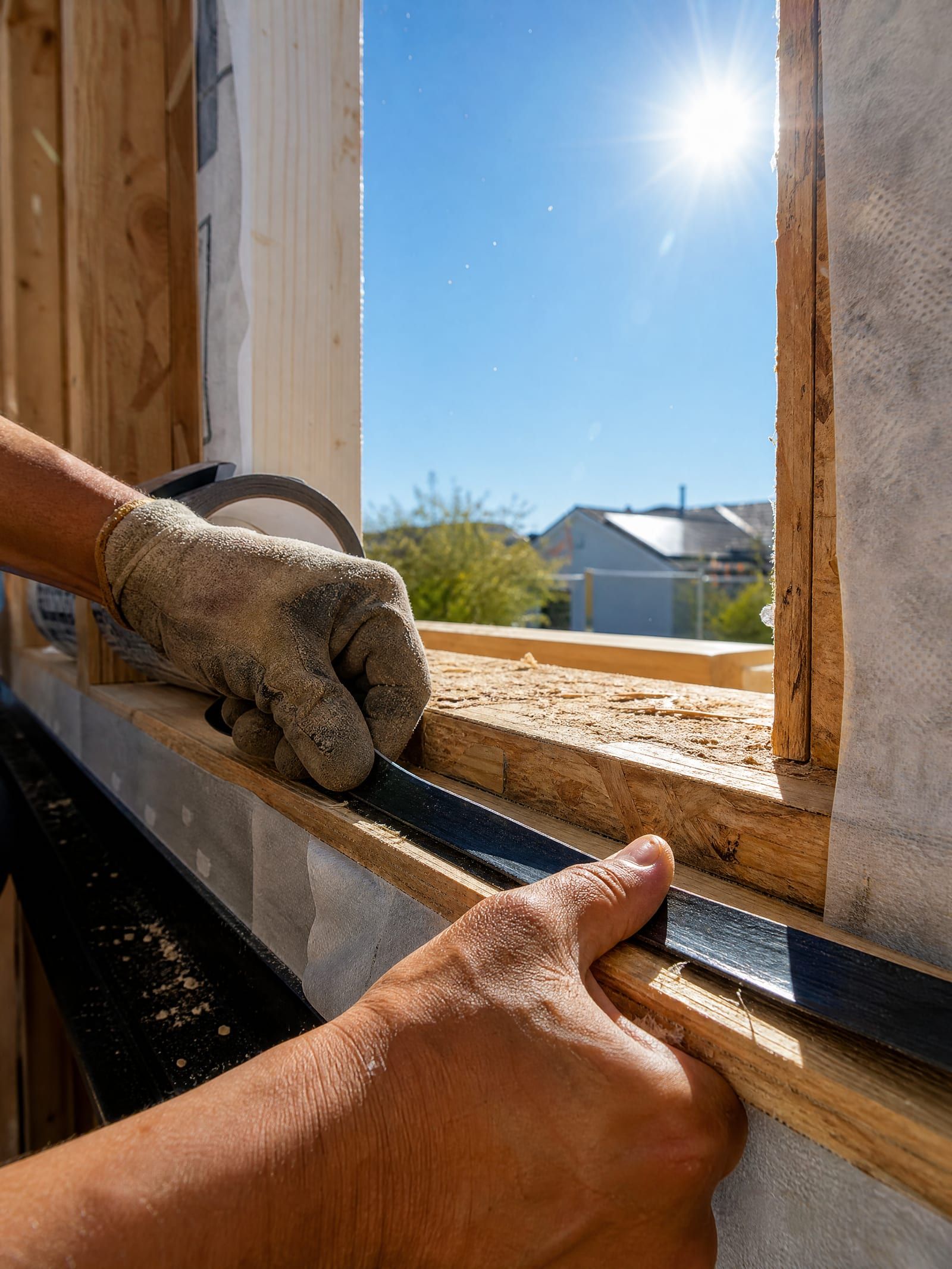
And the first thing I’d check isn’t the glass, it’s the gaps.
“Soundproof windows” is a category built on a word that doesn’t survive contact with physics. You can reduce noise a lot. You can’t eliminate it. Knowing that up front is what keeps you from overpaying for the wrong fix.
Can windows actually soundproof a room?
No window is truly soundproof — you’re reducing noise, not erasing it. That’s the honest ceiling, and it’s worth saying plainly because the whole category is sold past it.
New windows facing a loud street can take a room from “I can’t sleep” to “I barely notice it,” which is a real and worthwhile change.
But anyone promising silence is selling you the word, not the result.
What is STC, and what number do you need?
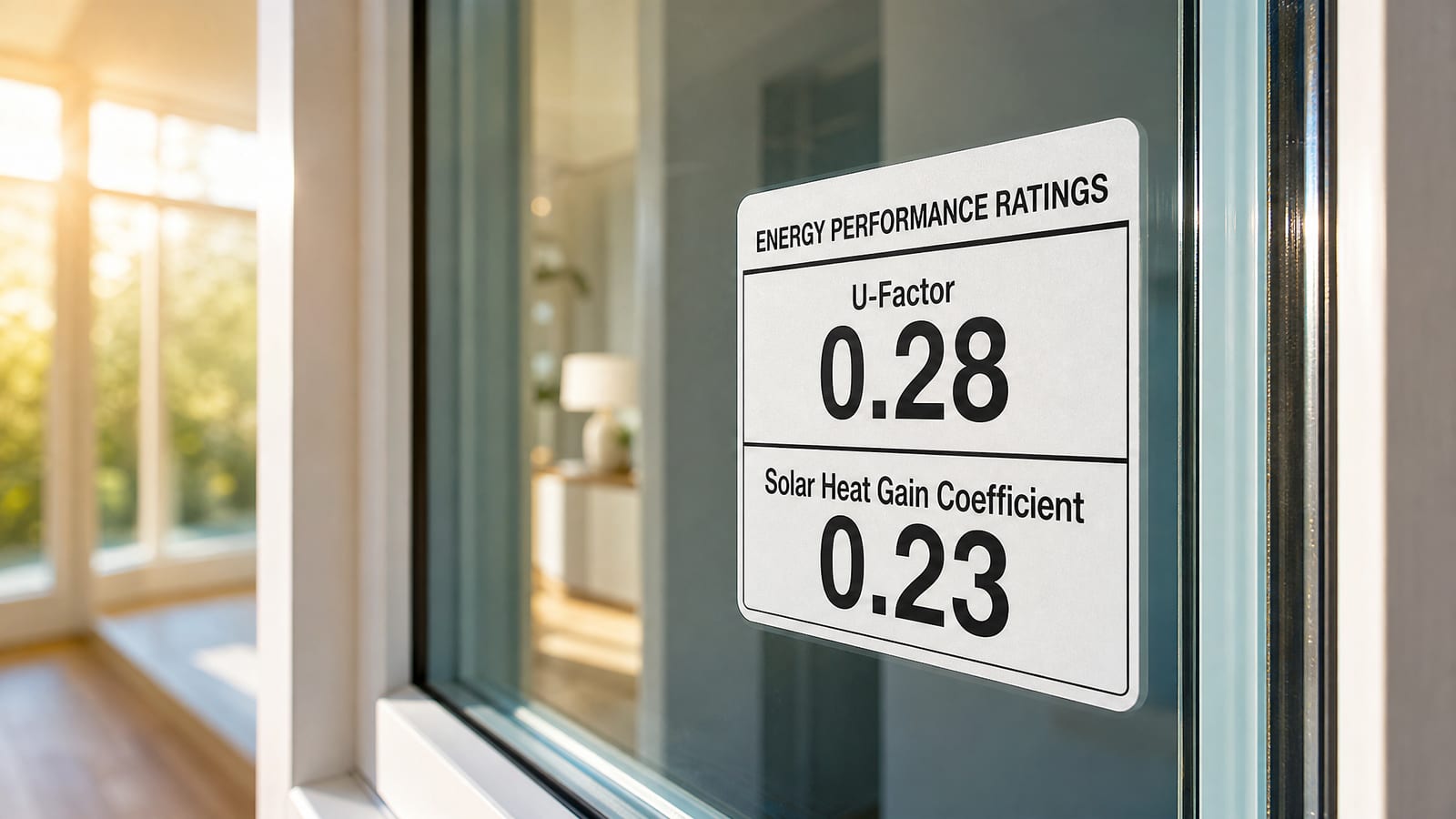
The number to ask about is — the standard lab rating for how much an assembly blocks airborne noise. Higher blocks more.
As a rough rule your ear can actually feel, a change of about 10 points sounds roughly half (or twice) as loud.
The catch: STC is weighted toward speech-range frequencies. There’s a companion rating, , built for the low-frequency stuff outside your window — truck rumble, aircraft, a bass-heavy neighbor. If your problem is road or flight noise, OITC is the truer number, and it’s the one the good spec sheets will list.
A rough ordering holds across the glass types, worst to best for noise:
- Plain single pane — the worst; almost nothing between you and the street.
- Standard double-pane — a meaningful step up.
- Laminated or thickness-mismatched unit — better still, and the one to reach for when noise is the point.
I’m deliberately not quoting you exact STC values as gospel. The ranges published for each glass type overlap heavily, and a specific window’s rating depends on the exact build, not the category. Ask for that window’s tested STC (and OITC if they have it), not a category average off a chart.
The practical takeaway from those overlapping ranges: a well-built laminated unit can match or beat a triple-pane for noise, which matters a lot when you’re deciding where the money goes.
Laminated glass vs triple-pane for noise
For most NC homes, laminated glass beats a symmetric third pane for noise — and usually costs less. Laminated glass bonds two panes with a sound-damping interlayer, the same construction as a car windshield.
That interlayer, plus running dissimilar pane thicknesses so the two lites don’t resonate at the same frequency, plus a bigger air gap / cavity, is what actually moves the number. Three things are doing the real work here: mass, damping, and breaking up resonance.
A third pane adds mass, which helps. But a triple-pane built with three matched panes doesn’t break up resonance the way an asymmetric laminated unit does.
It also splits the cavity into two thinner gaps, and a bigger single gap generally does more for sound than two small ones. So the priciest option isn’t automatically the quietest one.
If you’re weighing the third pane on its own merits, here’s triple-pane, honestly and where it does and doesn’t earn its keep.
| Approach | Look | Noise reduction | Relative cost | Best for |
|---|---|---|---|---|
| Laminated glass (mismatched panes) |  | Strong — damping + mass | Moderate | The default upgrade for most noise-facing rooms |
| Triple-pane |  | Good, not always better than laminated | Highest | Cold + noise together; whole-assembly upgrade |
| Storm window / interior insert |  | Strong per dollar (deep air gap) | Low–moderate | Renters, historic homes, keeping the original sash |
| Sealing + weatherstrip only |  | Modest on its own, but a prerequisite | Lowest | First thing to fix — a leaky window undoes good glass |
Laminated glass (mismatched panes)
- Look
-
- Noise reduction
- Strong — damping + mass
- Relative cost
- Moderate
- Best for
- The default upgrade for most noise-facing rooms
Triple-pane
- Look
-
- Noise reduction
- Good, not always better than laminated
- Relative cost
- Highest
- Best for
- Cold + noise together; whole-assembly upgrade
Storm window / interior insert
- Look
-
- Noise reduction
- Strong per dollar (deep air gap)
- Relative cost
- Low–moderate
- Best for
- Renters, historic homes, keeping the original sash
Sealing + weatherstrip only
- Look
-
- Noise reduction
- Modest on its own, but a prerequisite
- Relative cost
- Lowest
- Best for
- First thing to fix — a leaky window undoes good glass
NC homeowner takeaway: the YouTube advice to “just go triple-pane for noise” isn’t wrong so much as incomplete. Triple-pane genuinely helps, and if you also want the cold-weather U-factor gain it can be the right buy. But if noise is the whole reason you’re spending, laminated glass in the rooms that face the sound is usually the quieter and cheaper answer.
Do storm windows / inserts help?
Often, yes — adding a second layer of glass with a deep air gap is one of the best dollars-per-decibel moves you can make. A storm window or interior insert sits in front of the existing window with a generous cavity between them, and that gap does real acoustic work.
It’s also the practical route when you can’t or shouldn’t replace the original window — a rental, or a historic home where the old sashes stay.
Manufacturers of interior inserts publish real noise-reduction claims, and the physics is sound: a big air gap plus a second sheet of glass adds both mass and a decoupled layer.
I won’t quote you a specific decibel figure. Those numbers come from the maker’s own testing and vary with the gap, the glass, and how tight the seal is. Treat a manufacturer’s number as a best case and ask how it was measured.
What’s reliable is the direction: a well-sealed insert with a deep gap meaningfully quiets a room, often for a fraction of a full replacement.
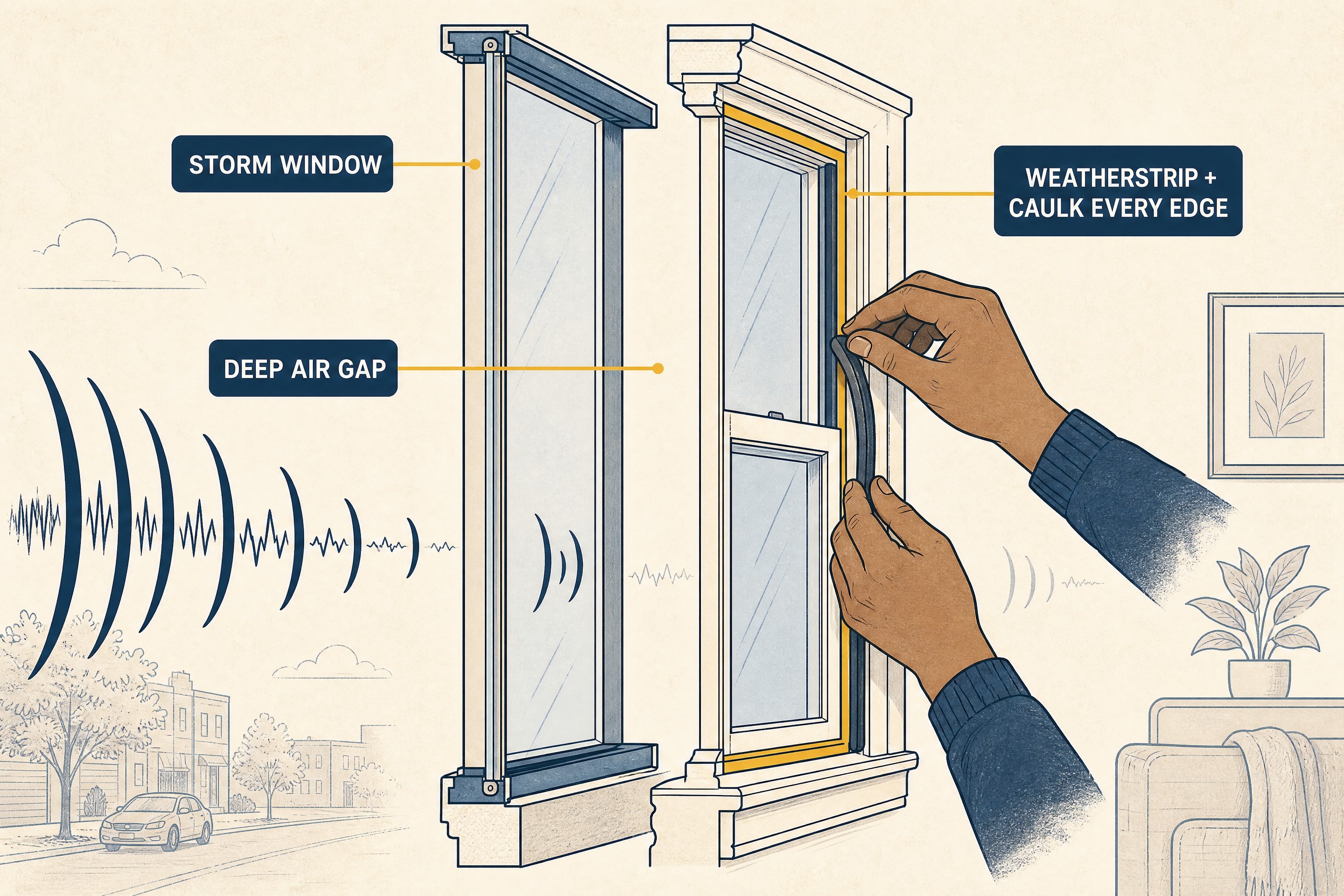
How much is it just gaps and a bad seal?
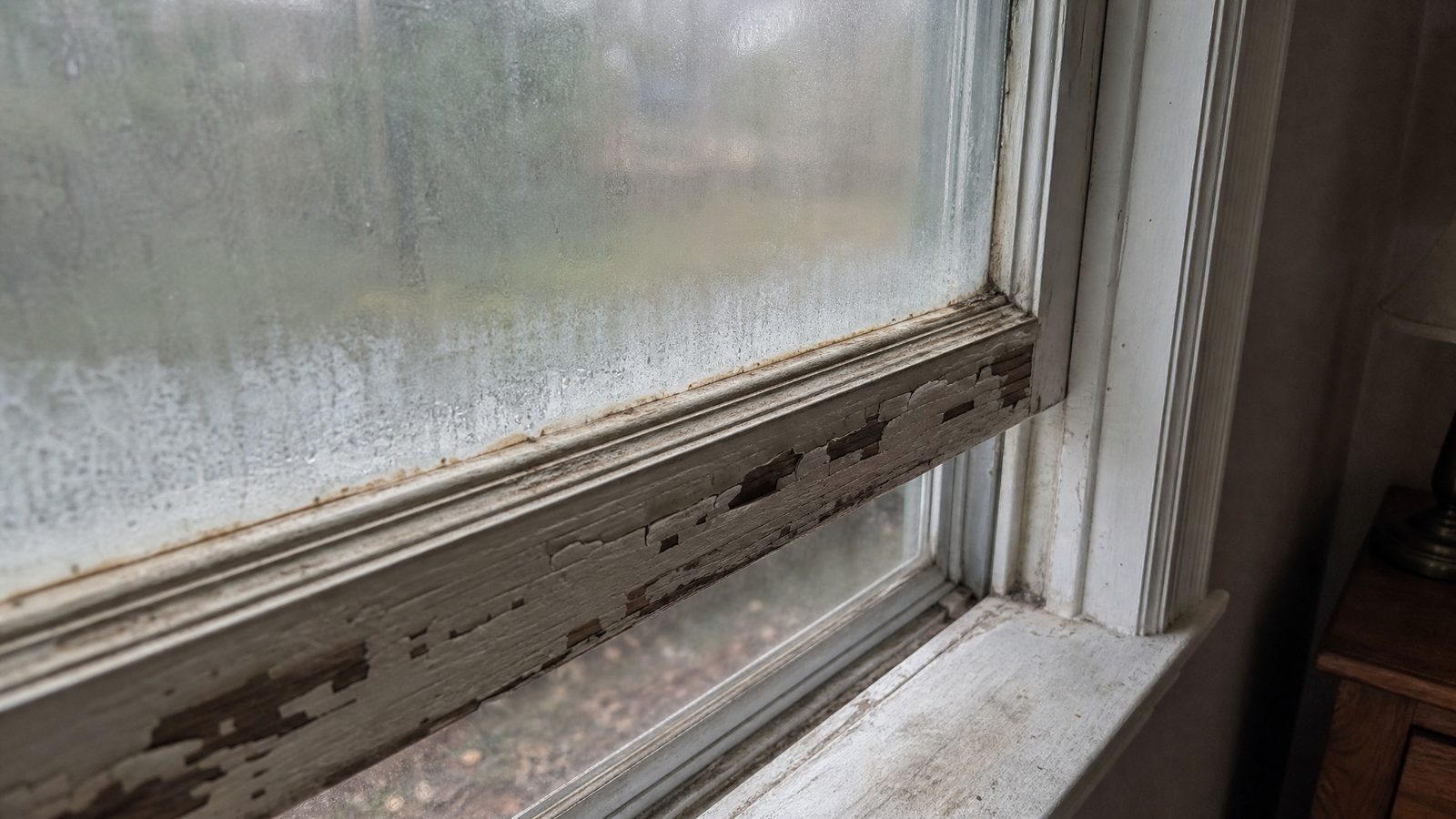
A lot of it. Sound leaks through the same paths air does — so gaps and a bad seal can undo a good glass package.
If cold air gets in around the sash and frame, so does noise. This is flanking noise — sound sneaking around the assembly rather than through the glass.
Worn or missing weatherstrip, a sash that doesn’t compress tight, a sloppy install with caulk-only sealing — each one is an open door for noise.
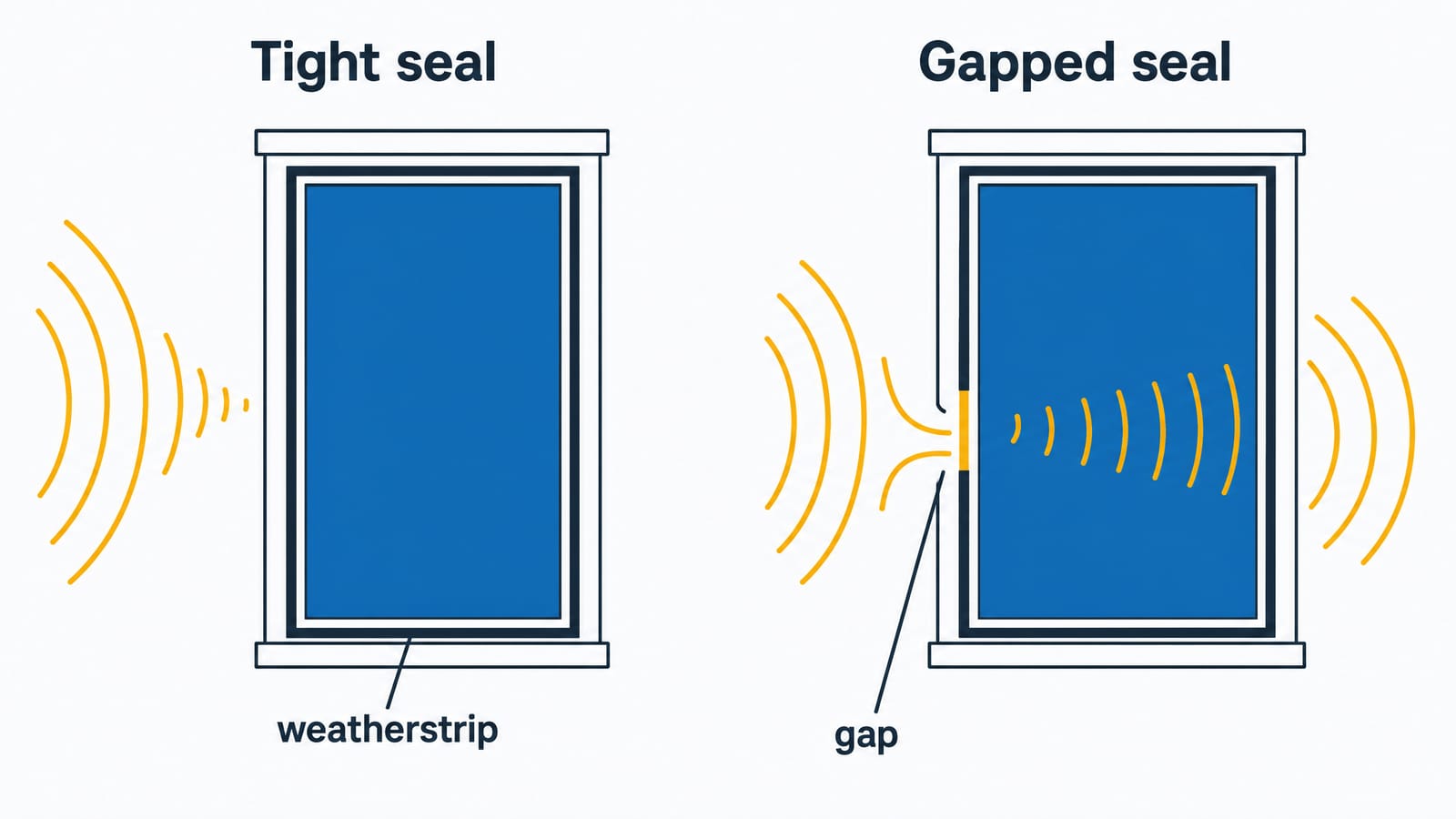
That’s why I’d diagnose the seal before I’d spec exotic glass. A tight, well-installed window is half the fix, and here’s why a tight install is half the job.
It’s also worth asking whether you need new windows at all. The same gaps that cause noise cause drafts, and sometimes the cheaper fix is sealing what you have.
Which rooms are worth it?
The bedrooms and offices that face the noise — not the whole house. Sound is a room-by-room problem.
The bedroom over the street — the one where you earned your diesel-vs-motorcycle certification — and the home office under the flight path: those are where laminated glass plus a tight seal pays off.
The back rooms that already face the quiet yard don’t need it. Treating it whole-house is how you spend triple to fix one wall’s worth of problem.
Tell me which room is loudest and what’s outside it — a road, a school, a flight path — and I’ll tell you the cheapest thing that’ll actually move the needle.
The target isn’t silence. Nobody honest sells that. The target is that a year from now you can’t tell a diesel from a motorcycle anymore, because you’re out of practice.
That’s what a no-pressure consult is for. Get a second opinion on your quote, no sales pressure.
Sources, Verification & Fact-Checking verified July 2026
Every load-bearing fact on this page is sourced and verified against a primary authority.
Verified July 2026 via direct review of the cited authority — the links open the controlling source so you can check it yourself rather than take our word.
- is a single-number lab rating of how much an assembly blocks airborne sound, calculated per a standard method. STC is classified under ASTM E413 (Classification for Rating Sound Insulation), which fits a standard contour to transmission-loss data measured per ASTM E90; it is weighted toward speech-range frequencies. Its companion, , is classified under ASTM E1332 and weighted toward the lower-frequency exterior noise — traffic, aircraft — that STC underrates. (Named standards; ASTM publishes these for purchase and does not host a free primary copy to link. For how these ratings are used on a window label, see the view source — U.S. Dept. of Energy, Building Science Education: window performance ratings.)
- Laminated glass bonds two glass panes with a plastic interlayer, and that interlayer damps sound vibration. The same construction used in automotive windshields; the viscoelastic interlayer absorbs vibrational energy and decouples the two lites, which is why laminated glazing is used for acoustic control, not only for safety and impact resistance. (Consistent physics confirmed across acoustic-glazing sources; no single free primary authority hosts this general claim, so it is stated by mechanism rather than cited to a vendor page.)
- Using dissimilar pane thicknesses in an insulated glass unit improves sound attenuation. Two panes of different thickness resonate at different frequencies, so one pane damps the frequency the other passes — which is why an asymmetric laminated unit can outperform a symmetric triple-pane for noise. Consistent with acoustic-glazing engineering; stated by mechanism, hedged pending a linked public source.
- Air leakage and sound leakage share the same paths, so sealing and weatherstripping the window assembly reduce noise transmission, not just drafts. Air sealing a home’s envelope — including around windows — is a recognized measure for reducing both energy loss and unwanted sound: the EPA’s ENERGY STAR program lists “reduced noise from outside” among the benefits of sealing air leaks, and gaps at the sash and frame let noise flank past the glazing. (view source — ENERGY STAR, Why Seal and Insulate)
- A storm window or interior insert — a second layer of glass with a deep air gap — reduces noise. The EPA’s ENERGY STAR program lists reduced outside noise among the benefits of storm windows (“making your home somewhat quieter”); the added glass plus the air gap between it and the primary window adds mass and a decoupled layer. This makes storms and inserts a strong dollars-per-decibel option, especially for rentals and historic homes. (view source — ENERGY STAR, storm windows)
- Triple-pane’s practical value in a mild climate is noise and comfort, not energy payback — and it does not automatically beat laminated glass for noise. In NC’s mild winters the third pane’s U-factor gain rarely pays back within the seal’s life; its benefit is quieter rooms and fewer cold spots. General window efficiency background at (view source — U.S. Dept. of Energy, FEMP).