
When someone worries vinyl means “settling,” I start with the same fact: the large majority of replacement windows sold in the US are vinyl. That’s not an accident, and it’s not a downgrade.
You’re holding a vinyl quote and a fiberglass quote, and cheaper feels like worse. So here’s the honest version.
What vinyl does well, and the two things it genuinely doesn’t. If either limit is a dealbreaker for your house, I’d rather you know now than find out on a west-facing wall in July.
Why vinyl dominates replacement windows
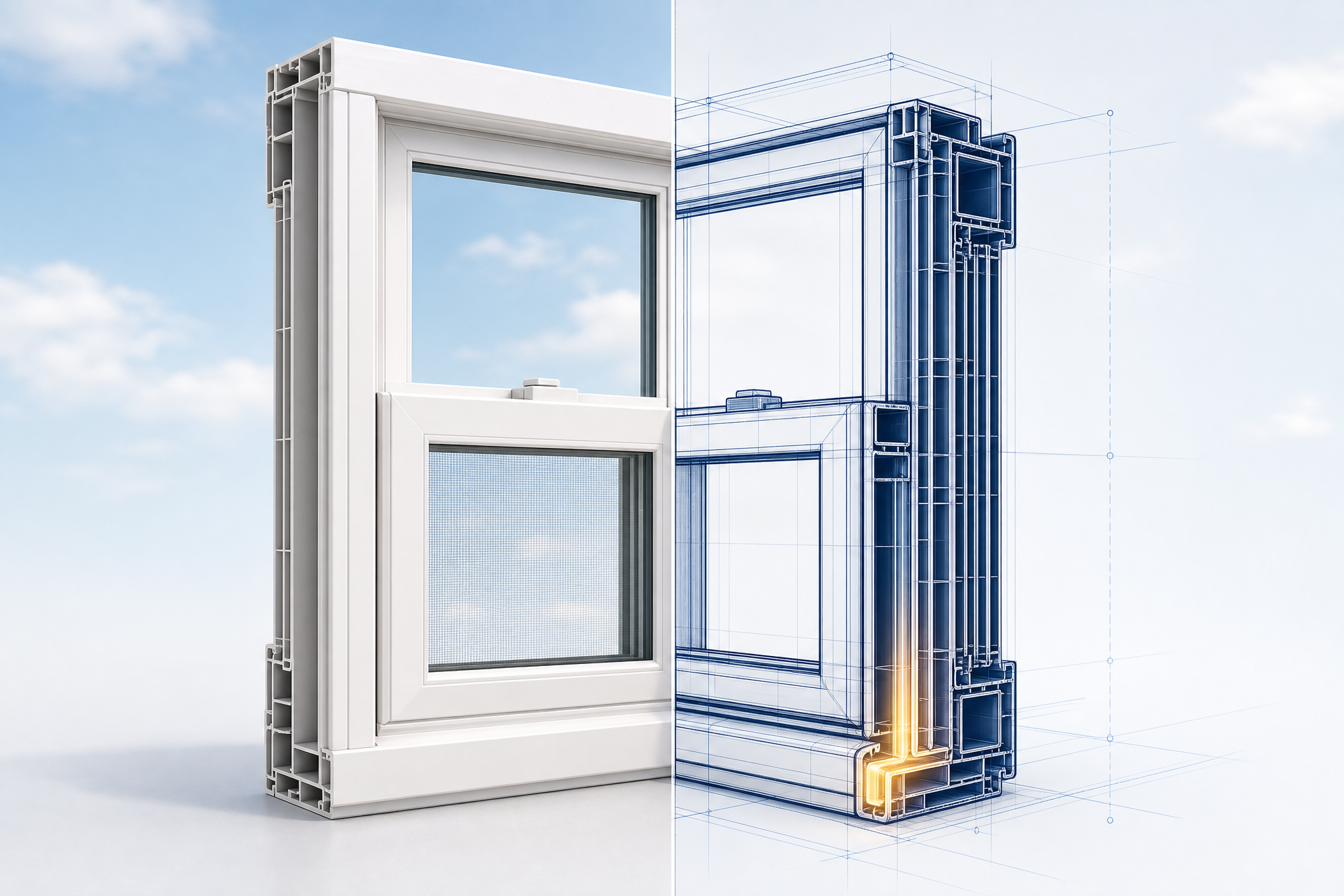
Vinyl wins on value: it’s the cheapest of the insulating frame materials, a genuinely good insulator in its own right, and it’s nearly maintenance-free. is a real insulator — the frames are built as multi-chamber profiles, can be foam-filled, and pair well with a coating and argon gas fill.
The color runs through the material, so there’s no repainting and nothing to chip. Wash it and check the hardware — that’s the maintenance.
Compare that to aluminum, which conducts heat so aggressively it needs a thermal break just to be tolerable, and you can see why vinyl took over the value tier.
Vinyl is the single most-used window frame material in the country — market researchers put it at the top of the list, though the exact share depends on how you slice the market. Grand View Research pegs vinyl at the largest slice of the US windows-and-doors market by material (about 41–42% of revenue).
Other firms scope it differently — CMI reports roughly 22% of the broader US window market, Freedonia about 34% of window-and-door demand by volume — but every reading lands vinyl at or near the top.
The takeaway holds regardless of which number you use: when you’re weighing a vinyl quote, you’re looking at the material most American homeowners already chose — not a discount substitute.
Are vinyl windows good quality?
Yes — and the real question isn’t vinyl vs “real” windows, it’s builder-grade vinyl vs premium vinyl. That’s the distinction that actually matters.
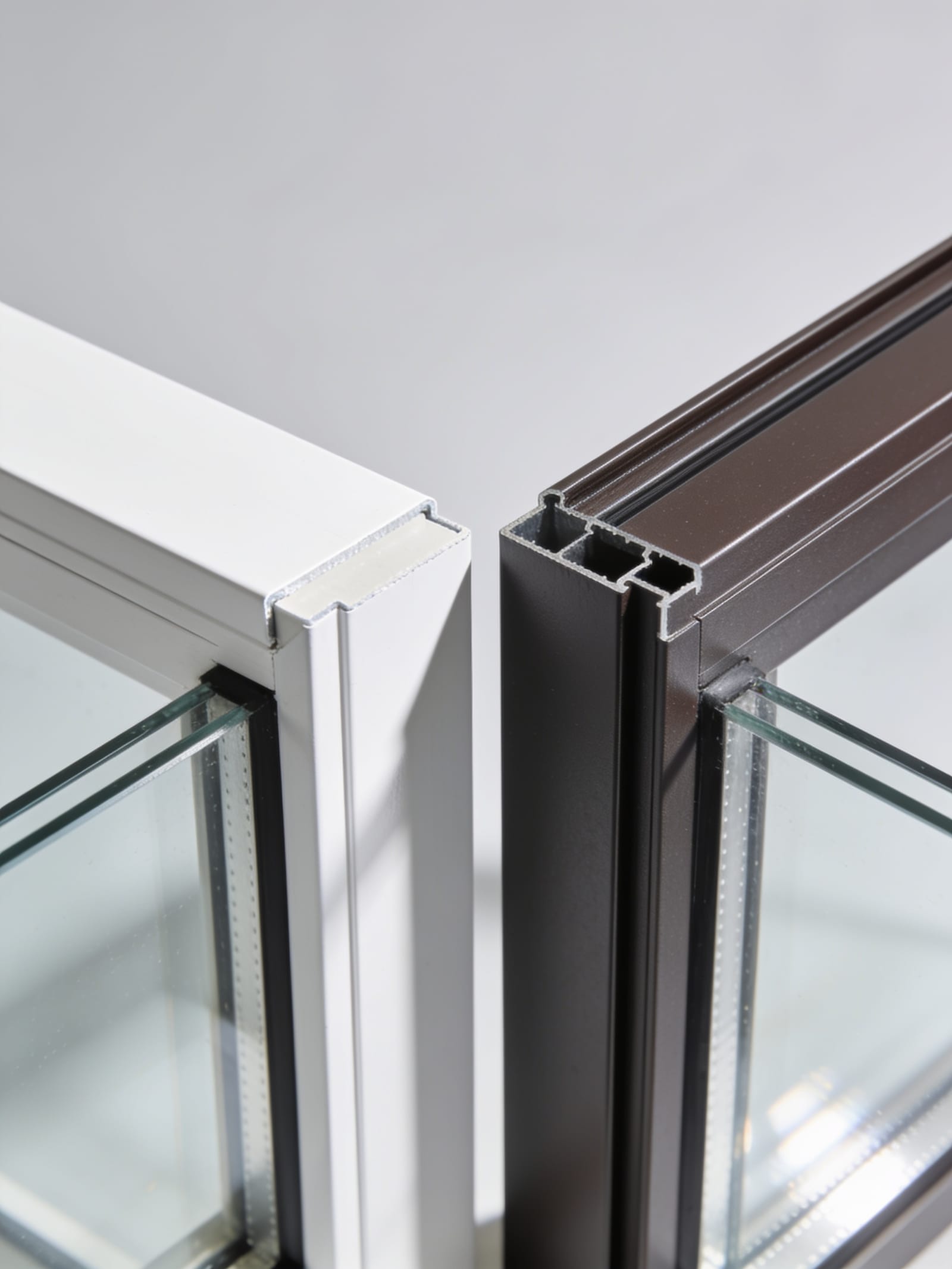
A bottom-tier builder-grade unit and a premium vinyl window are both “vinyl,” but they’re not the same product. Premium vinyl adds internal reinforcement, UV stabilizers, and better fusion-welded corners — where the frame’s four pieces are heat-fused into one continuous corner instead of screwed or crimped.
Those welds are what decide whether a frame stays square and tight for decades. If you’re comparing quotes, ask which one you’re being shown. A good salesperson will tell you without flinching.
Same word, two products. Here’s where the difference actually lives — the three things I’d have you look at side by side:
| What to check on a vinyl quote | Builder-grade | Premium vinyl |
|---|---|---|
| Corner joints | 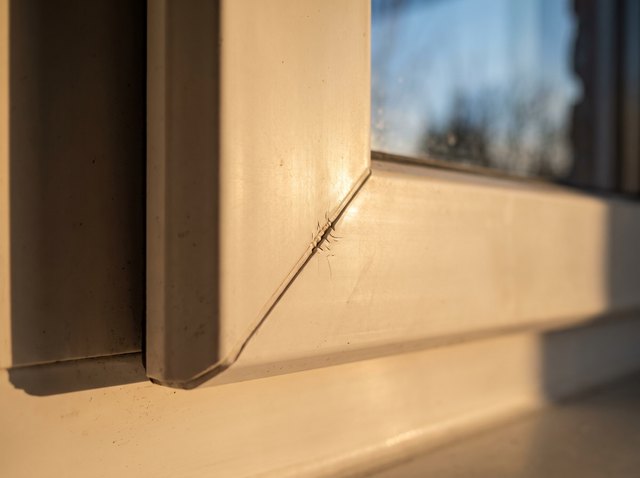 | 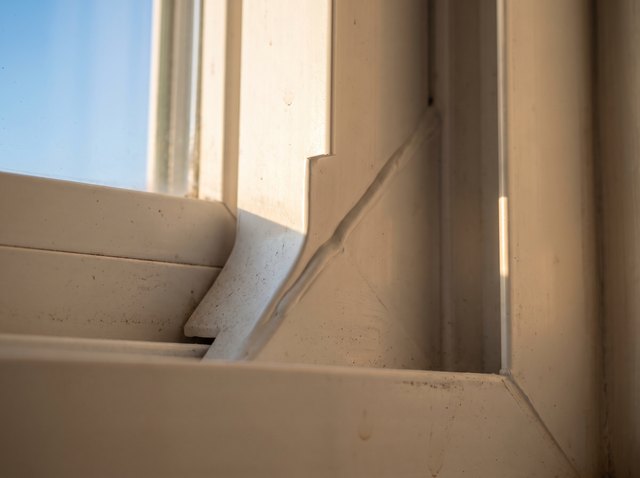 |
| Internal reinforcement | 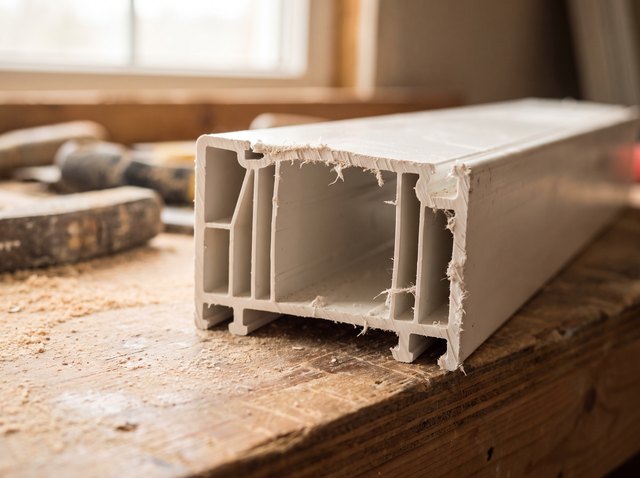 | 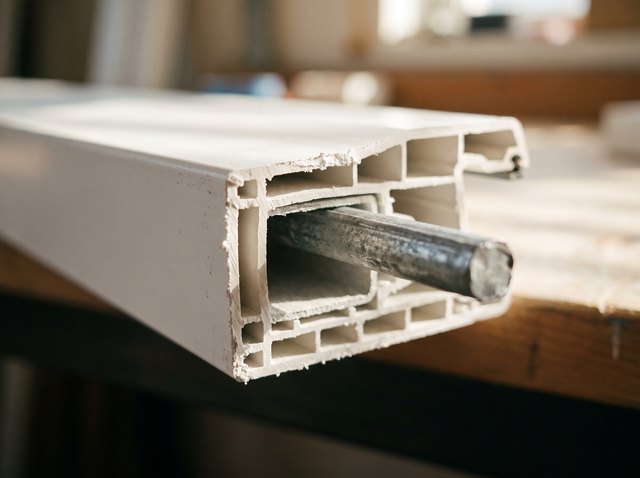 |
| Glass package | 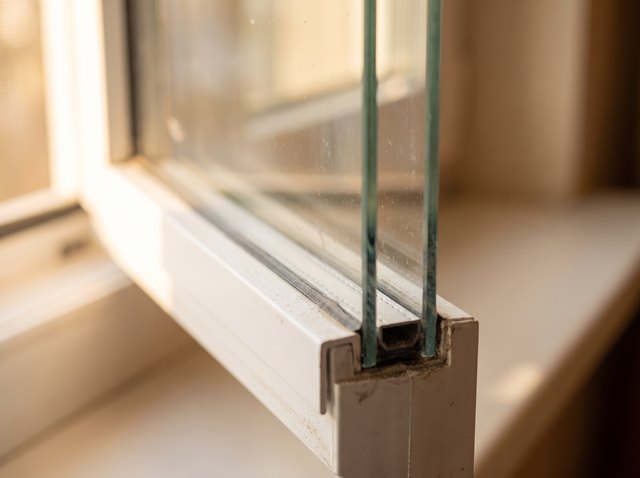 | 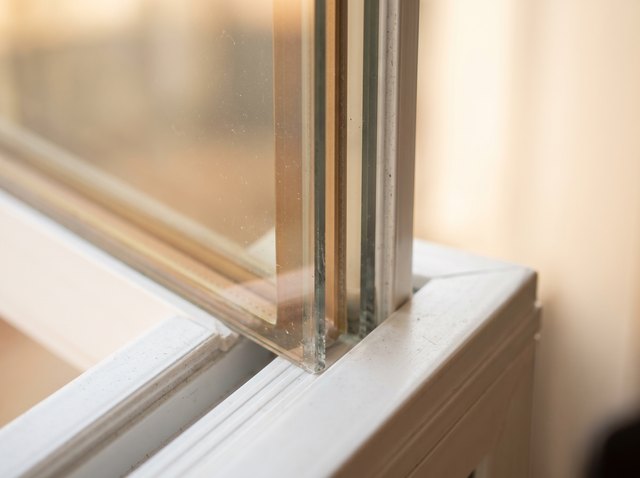 |
Corner joints
- Builder-grade
-
- Premium vinyl
-
Internal reinforcement
- Builder-grade
-
- Premium vinyl
-
Glass package
- Builder-grade
-
- Premium vinyl
-
How long do vinyl windows last?
A vinyl window typically lasts 20 to 40 years. It resists moisture, rot, and corrosion, which is a real advantage in a humid climate like ours.
The honest limit: vinyl is less rigid than fiberglass, so it can’t span the very largest openings as cleanly. For a standard-size double-hung or slider replacement, that rarely matters.
On an oversized picture wall or a wide multi-lite unit, it can — and that’s a case where I’d have you look hard at fiberglass instead.
Vinyl’s two real limits (the honest part)
Vinyl has exactly two limits worth caring about, and naming them is how you know I’m not just selling you vinyl.
- Most thermal movement of the frame materials. Vinyl expands and contracts more with temperature than wood, fiberglass, or composite — it has the highest movement of the common frame materials. Over years, that back-and-forth can stress the glass-to-frame seals. Mitigation: buy quality vinyl with proper internal reinforcement and expansion chambers built to absorb it.
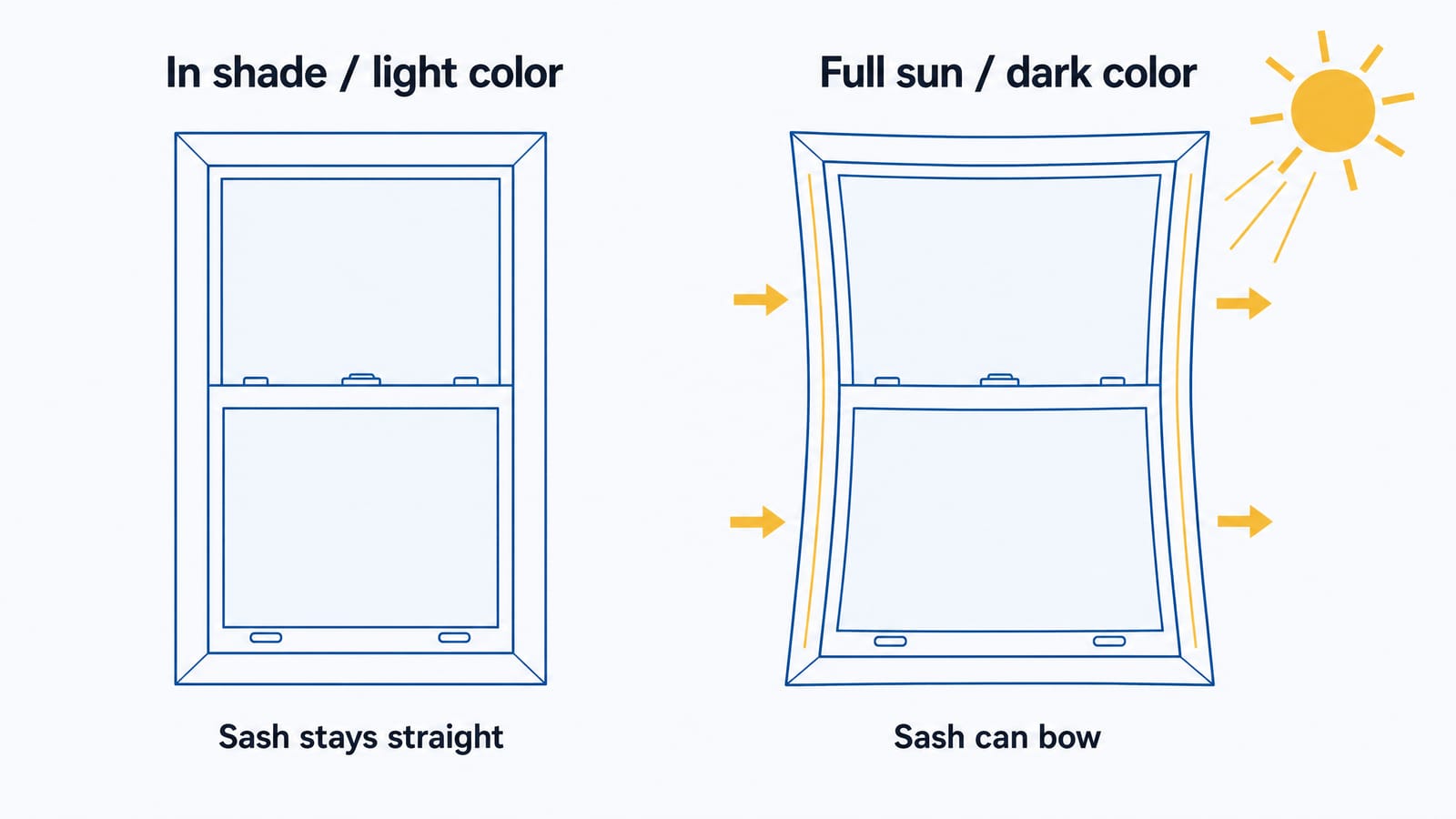
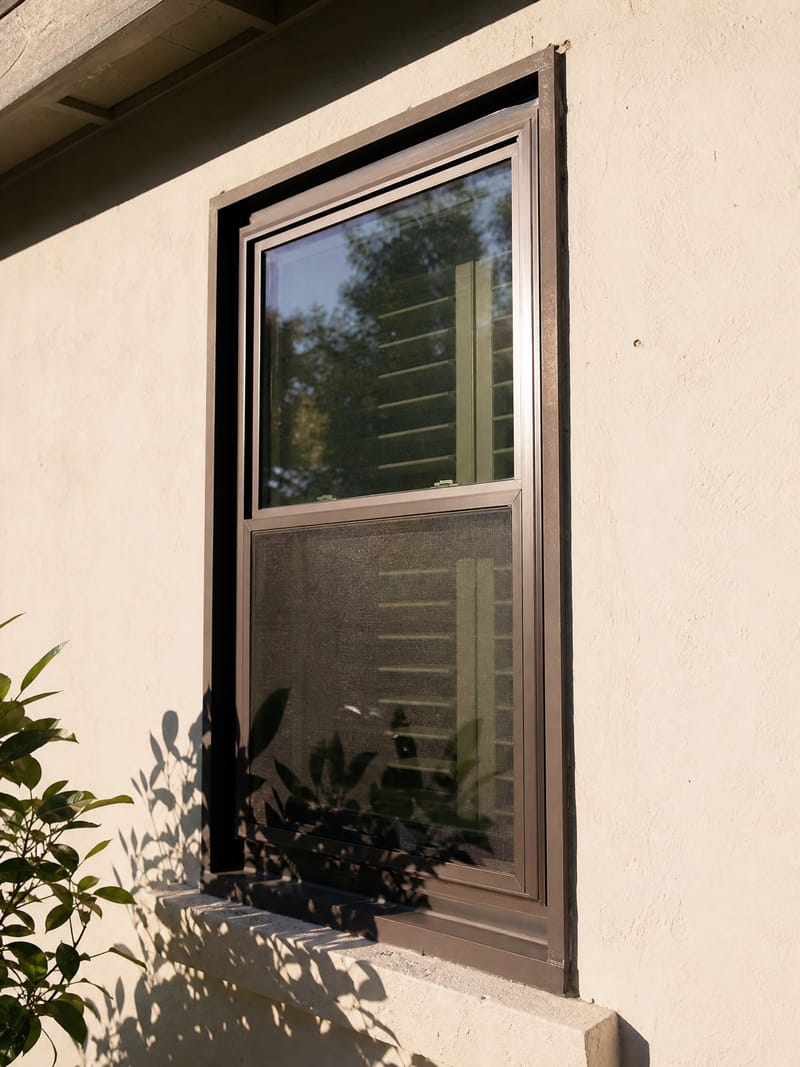
- Dark colors warp in full sun. Dark vinyl absorbs more solar heat, and on a south- or west-facing full-sun wall it can soften, bow, or twist — more so on lower-grade product. Mitigation: good manufacturers add heat-resistant additives and UV stabilizers, and many still recommend a lighter color on extreme-sun exposures.
Neither of these is a dealbreaker. They’re trade-offs you manage by buying quality and choosing color sensibly — which is exactly the kind of thing worth asking about up front.
Vinyl in NC heat and humidity
Vinyl handles North Carolina’s humidity well — it doesn’t rot — but the dark-color caveat is the one that matters most here. Our summers put real sun load on south and west walls across the Triad and the rest of the state.
So if you’ve got your heart set on a dark exterior on a full-sun elevation, that’s the moment to either step up to a premium line built for it or pick a lighter color. This is a comfort-and-longevity call, not an energy-payback pitch.
NC also straddles two ENERGY STAR climate zones, so the glass package that goes inside that vinyl frame matters as much as the frame — more on that below.
Is premium vinyl worth it over builder-grade?
Usually yes — especially for full-sun walls and for longevity. The premium buys you better welds, more internal reinforcement, and a stronger glass package, which is where comfort and durability actually come from.
The two things I’d watch for on a quote: dark vinyl from a budget line on a west wall, and builder-grade corners that are crimped rather than fusion-welded.
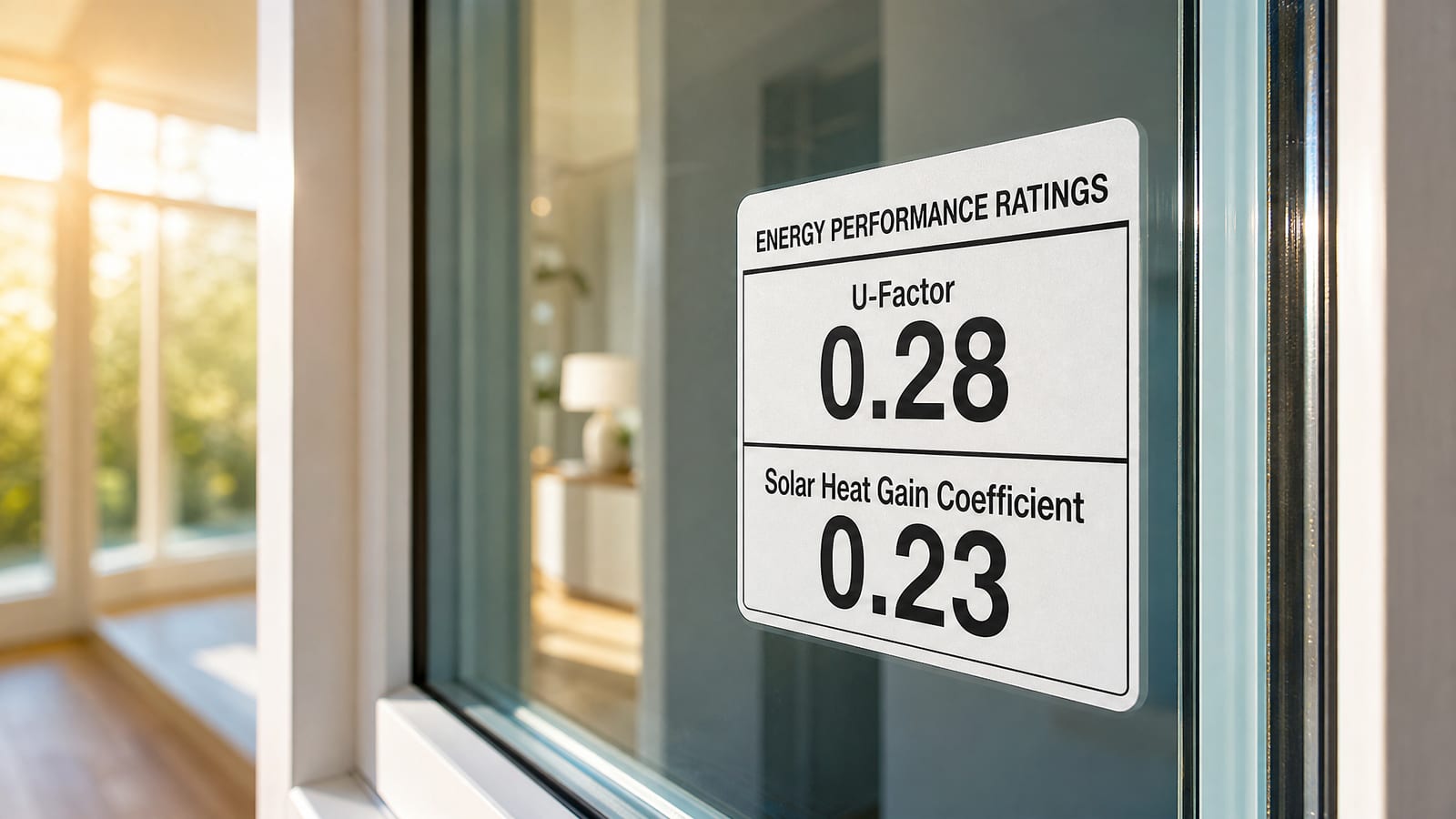
If you want to understand what that glass package is doing, the Low-E glass that does the real heat work is where it lives, and how to read a window’s energy ratings shows you how to check it on the label. Weighing vinyl against the field? Compare all the frame materials.
Where vinyl sits relative to the others: vinyl is the lowest-cost insulating frame, composite a step up, and fiberglass the priciest. That’s relative positioning — for real numbers, vinyl window cost in NC covers the dollars. And if the upgrade question on your mind is vinyl or fiberglass, the upgrade question: vinyl or fiberglass settles that head-to-head.
Three questions to ask about a vinyl quote
If you take nothing else from this page, take these three questions to your next appointment:
- Is this builder-grade or premium vinyl? — the reinforcement, UV stabilizers, and welds all live in that answer.
- Are the corners fusion-welded? — welded corners stay square. Crimped or screwed corners are the first to loosen.
- Do you recommend a lighter color on my south or west walls? — a straight answer here tells you the salesperson is thinking about your house, not just the sale.
If you want to see real vinyl product up close — premium versus builder-grade, side by side — before you decide, that’s what a no-pressure consult is for.
Book one here. Your west wall will thank you in July.
Sources, Verification & Fact-Checking verified July 2026
Every load-bearing fact on this page is sourced and verified against a primary authority.
Verified July 2026 via direct review of the cited authority — the links open the controlling source so you can check it yourself rather than take our word.
- Vinyl (PVC) is a genuinely good insulator and the lowest-cost insulating frame material; the color runs through the material, so it needs no repainting. PVC has a thermal conductivity of roughly 0.15–0.25 W/mK, frames are built as multi-chamber profiles that can be foam-filled, and vinyl is the cheapest of the insulating frame options. (view source — U.S. Dept. of Energy, Building Science Education)
- Vinyl has the most thermal movement of the common frame materials, and dark colors on a full-sun wall can warp. The U.S. Dept. of Energy notes that vinyl frames expand and contract with temperature and must be designed to accommodate that movement, that vinyl frames use UV stabilizers to keep sunlight from breaking down the material, and that fiberglass frames are dimensionally stable by comparison; dark vinyl absorbs more solar heat on south/west exposures. The ranking that vinyl has the highest movement of the common frame materials (more than wood, aluminum, or fiberglass) is industry consensus rather than a verbatim DOE comparison — held as directional. (view source — U.S. Dept. of Energy, Building Science Education)
- Fusion-welded corners are what keep a vinyl frame square and tight over its life. Premium vinyl heat-fuses the frame’s corners into one continuous piece rather than crimping or screwing them — a manufacturing detail confirmed as standard industry practice, though not addressed in the federal energy-rating authorities, so verify it on the specific manufacturer’s spec sheet. (industry practice — no primary-authority citation)
- Vinyl resists moisture and rot, needs no painting, and is less rigid than fiberglass. The U.S. Dept. of Energy notes vinyl frames have good moisture resistance and do not require painting; fiberglass is described as more dimensionally stable. Typical lifespan is often cited around 20–40 years, but published ranges vary by grade and source, so treat the years as directional. (view source — U.S. Dept. of Energy, Building Science Education)
- U-factor is a whole-unit rating — frame, spacer, and glass together — not the frame alone. The NFRC U-factor on the label rates the entire window’s rate of non-solar heat flow (frame and spacer material included), which is why the glass package matters as much as the frame. (view source — U.S. Dept. of Energy, Building Science Education · view source — NFRC)
- Vinyl is the most-used window frame material in the US, though the exact share is scope-sensitive. Grand View Research reports vinyl as the largest material share of the US windows-and-doors market — 41.5% in 2023, projected 42.5% in 2025. Other firms scope it differently (CMI ≈ 22.1% of the US window market for 2023–2024; The Freedonia Group ≈ 34% of US window-and-door demand by volume in 2023), but all place vinyl at or near the top. The “large majority” framing is kept qualitative on purpose — the underlying figures measure different markets. (view source — Grand View Research)