
Maybe a salesman told you “double-hung, six-over-one, like everybody around here gets.” Maybe a manufacturer page just showed you eleven styles in a grid and you couldn’t tell them apart.
Either way, you’re at the window menu feeling like the choice is being made for you. Let me hand you a way to sort it yourself.
Here’s the shortcut: every window style does one of four things — it slides up, slides sideways, swings out, or stays sealed shut. Learn those four and the whole catalog falls into place.
The four ways a window opens (start here)
A window’s “style” is mostly a fancy name for how its sash moves. There are only four moving parts to learn, and every style in the showroom is a variation on one of them.
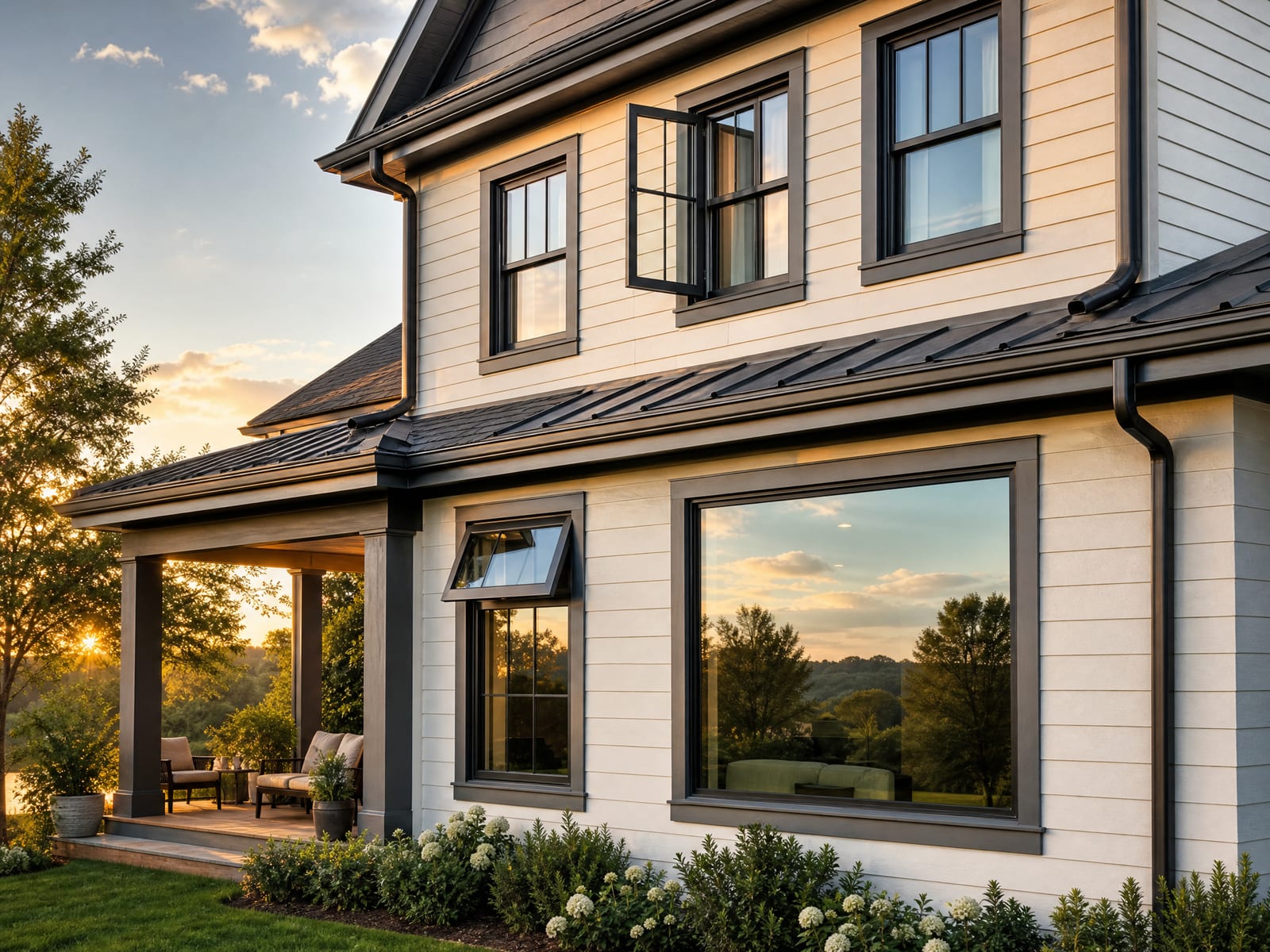
Once you know how a sash moves, you know most of what matters about it — how tight it seals, how it ventilates, and how you’ll clean it. Here’s the whole lineup, grouped that way.
Hung · slides up and down
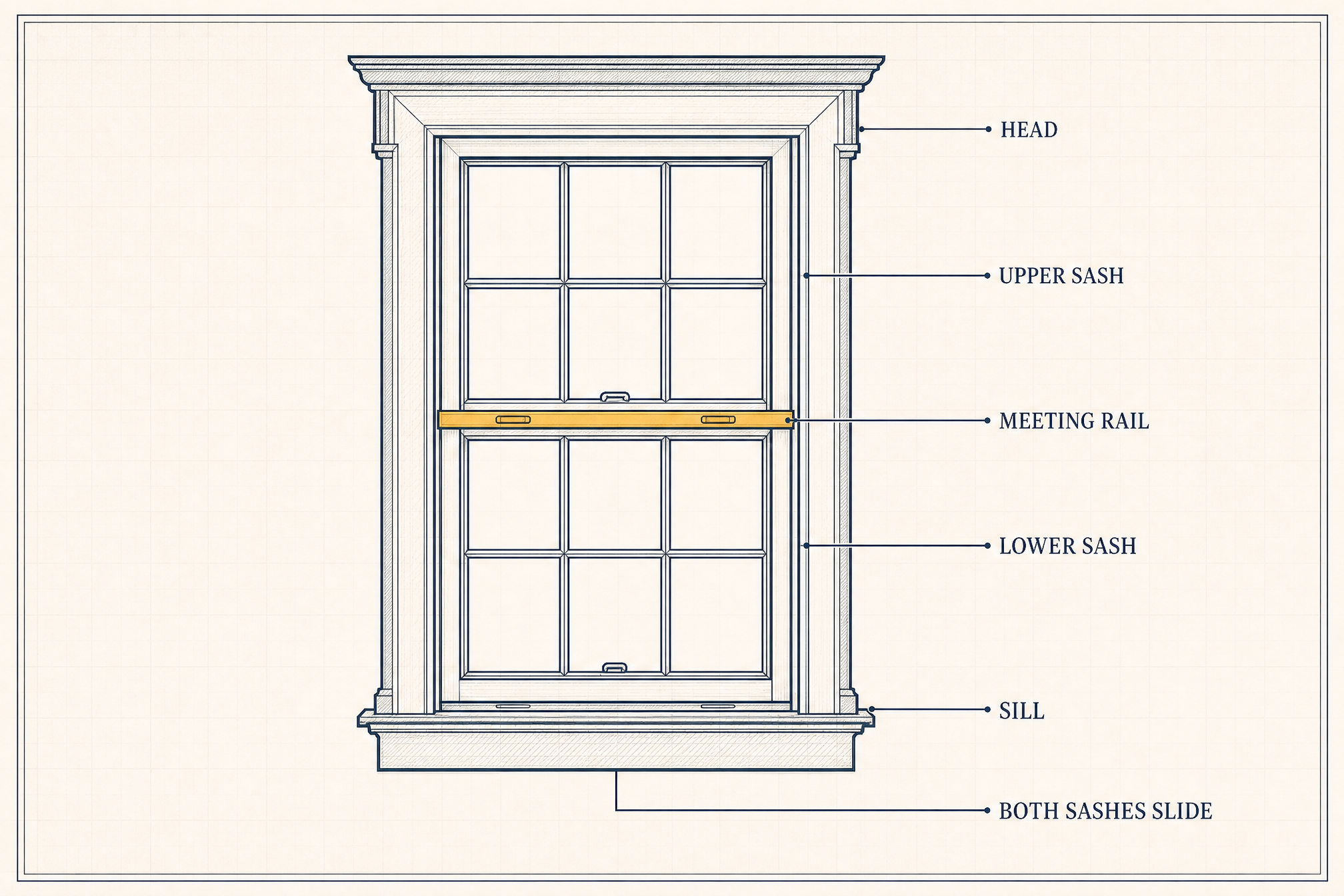
The sash rides vertical tracks. Classic look; ventilates top and bottom; sliding tracks mean a few more seams to seal.
Double-hung — both sashes move & tilt in to clean. Single-hung — only the bottom moves; cheapest operable.
Slide · glides sideways
The sash glides left or right on a track. No lifting, wide view, good where there’s no room to swing a sash out.
Sliding — only about half opens at once, and it seals looser than a crank.
Swing · cranks out on a hinge
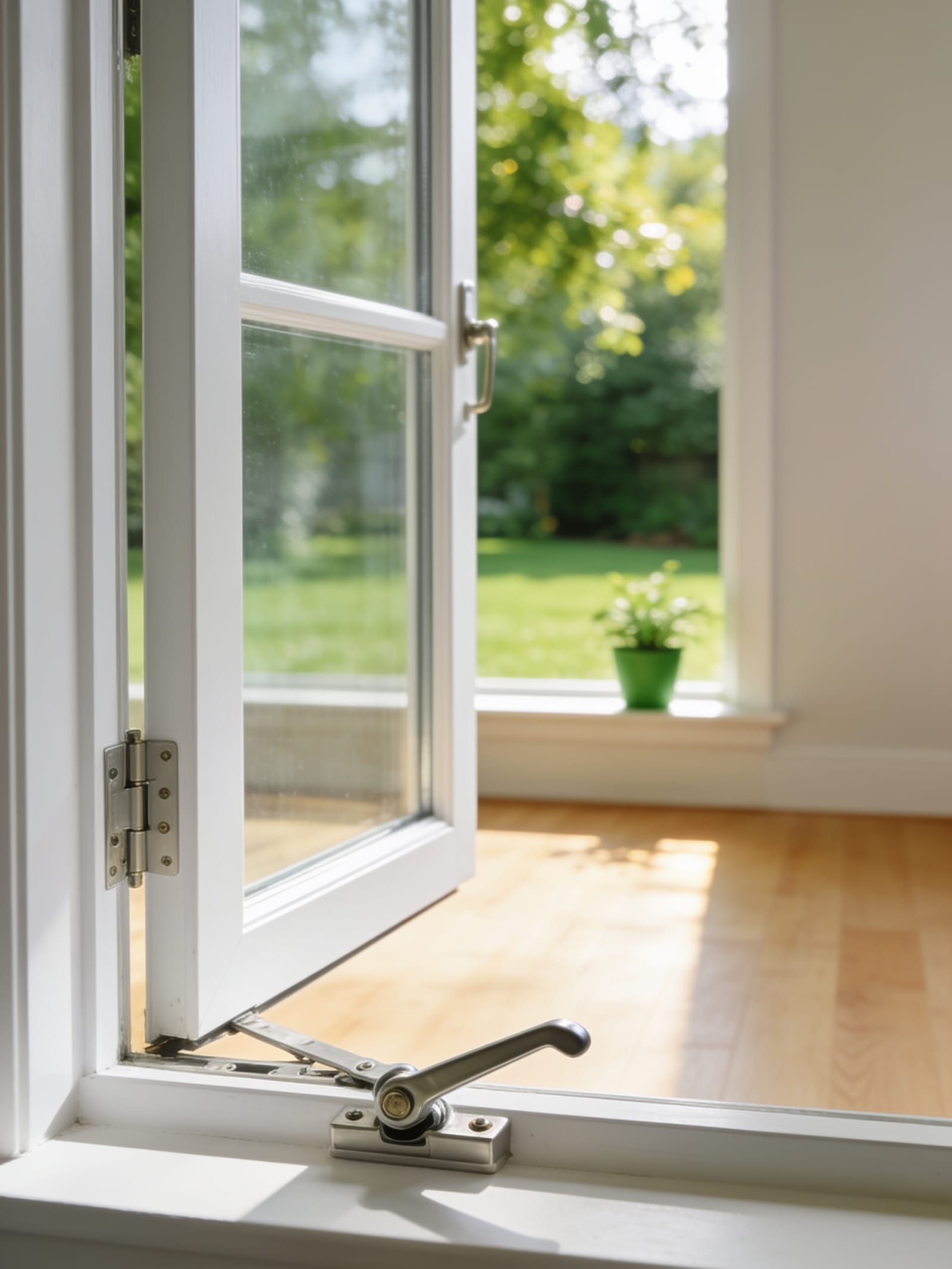
A crank pushes the sash out; locking pulls it flat against the frame. That compression seal is the tightest of any operable style.
Casement — side-hinged, full opening. Awning — top-hinged, open in the rain. Hopper — bottom-hinged, tilts in.
Fixed · never opens
No sash to move, so nothing to leak — the tightest seal and the most glass per dollar. The trade is zero ventilation.
Picture — most glass, widest view; pair it with operables so the room can still breathe.
Two things don’t fit neatly into “how the sash moves,” and it’s worth naming them so they don’t confuse you at the showroom:
- Projecting assemblies push a whole cluster of windows out past the wall for space and light — the bay and bow (angled or curved panels that make a shelf) and the garden window (a little glass box over the kitchen sink). They’re built from the styles above, just pushed outward — which means they need structural support and cost more to install.
- Egress isn’t a style at all — it’s a code role. A bedroom needs a window big enough to climb out of in a fire, and certain styles hit that opening more easily than others. That’s a rule to check, not a shape to buy. Here’s how egress works and which styles qualify.
Every style, side by side
Here’s the honest one-liner on each style — what it’s genuinely good at, and the catch nobody at the showroom leads with. Same facts as the deep pages, gathered in one place so you can scan.
| Style | Opens how | Good at | The honest catch |
|---|---|---|---|
| Double-hung | Slides up/down (2 sashes) | Classic look; both sashes tilt in to clean | Two moving sashes = more seams to seal than a fixed or crank sash |
| Single-hung | Slides up (1 sash) | Cheapest operable; fewer moving parts | Top sash is fixed — you can't tilt it in to clean |
| Casement | Cranks out (side hinge) | Tightest-sealing operable; full opening; crank works over a sink | Heavier; catches wind like a sail if left open; can clash with blinds or a window AC |
| Awning | Cranks out (top hinge) | Leave it open in the rain; tight seal; good up high for privacy | Comes in smaller sizes; projects out over a walkway; usually can't serve as egress |
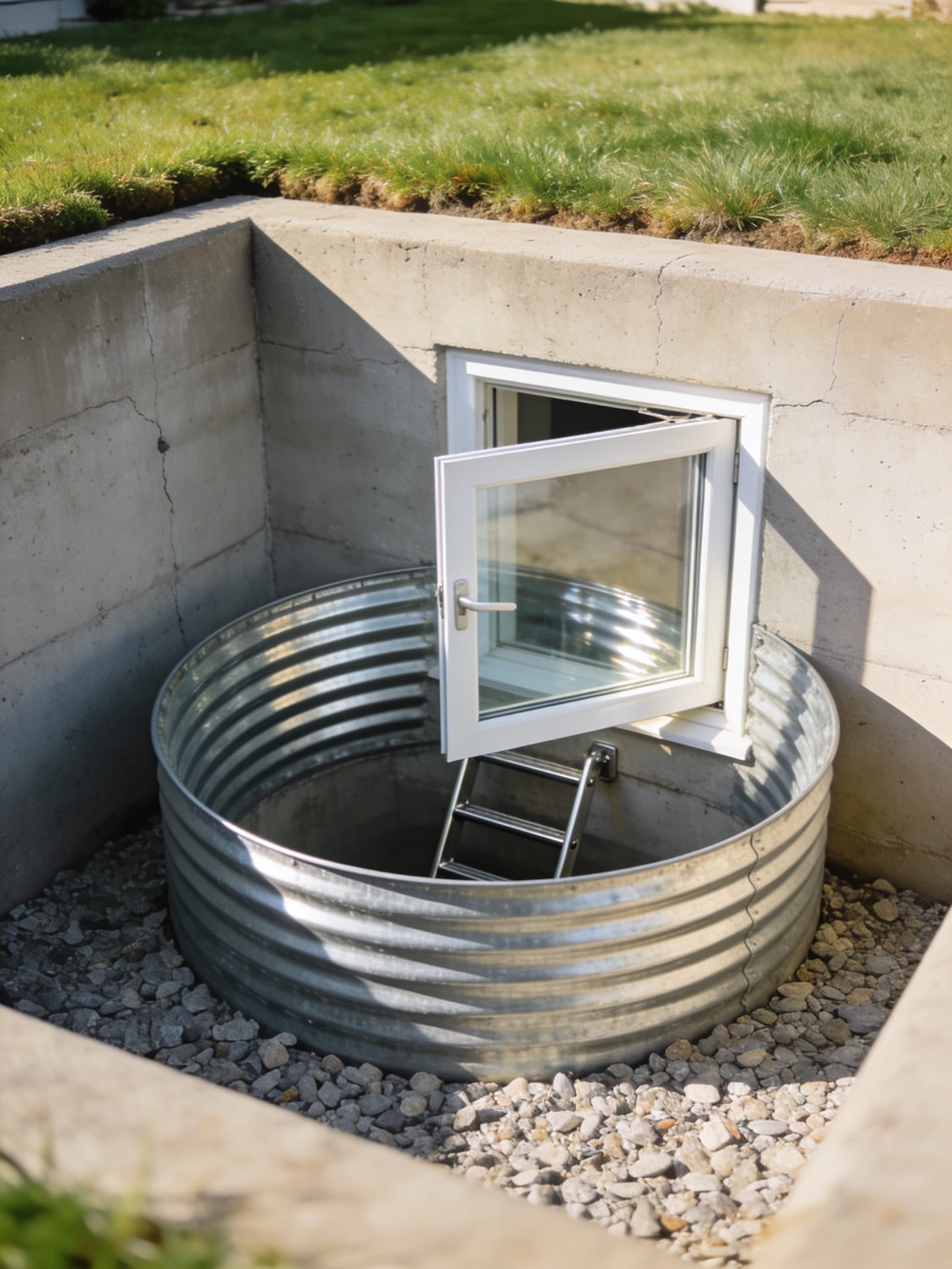
| Hopper | Tilts in (bottom hinge) | Basement and bath workhorse; tilts in to clean; tight seal | Small size range; an open sash funnels rain inward; usually fails egress |
| Sliding | Glides sideways | No lifting, wide view; fits under a low ceiling | Seals looser than a crank; only about half opens at once |
| Picture | Doesn't open | Most glass, widest view, tightest seal | Zero ventilation — pair it with operable windows |
| Bay / bow | Projects out (angled/curved panels) | Adds floor space and light; makes a shelf or reading nook | Pushes past the wall, so it needs support and costs more to install |
| Garden | Projects out (glass box over sink) | Little greenhouse shelf; light from three sides | More glass = more heat and condensation to manage; pricier |
Double-hung
- Opens how
- Slides up/down (2 sashes)
- Good at
- Classic look; both sashes tilt in to clean
- The honest catch
- Two moving sashes = more seams to seal than a fixed or crank sash
Single-hung
- Opens how
- Slides up (1 sash)
- Good at
- Cheapest operable; fewer moving parts
- The honest catch
- Top sash is fixed — you can't tilt it in to clean
Casement
- Opens how
- Cranks out (side hinge)
- Good at
- Tightest-sealing operable; full opening; crank works over a sink
- The honest catch
- Heavier; catches wind like a sail if left open; can clash with blinds or a window AC
Awning
- Opens how
- Cranks out (top hinge)
- Good at
- Leave it open in the rain; tight seal; good up high for privacy
- The honest catch
- Comes in smaller sizes; projects out over a walkway; usually can't serve as egress
Hopper
- Opens how
- Tilts in (bottom hinge)
- Good at
- Basement and bath workhorse; tilts in to clean; tight seal
- The honest catch
- Small size range; an open sash funnels rain inward; usually fails egress
Sliding
- Opens how
- Glides sideways
- Good at
- No lifting, wide view; fits under a low ceiling
- The honest catch
- Seals looser than a crank; only about half opens at once
Picture
- Opens how
- Doesn't open
- Good at
- Most glass, widest view, tightest seal
- The honest catch
- Zero ventilation — pair it with operable windows
Bay / bow
- Opens how
- Projects out (angled/curved panels)
- Good at
- Adds floor space and light; makes a shelf or reading nook
- The honest catch
- Pushes past the wall, so it needs support and costs more to install
Garden
- Opens how
- Projects out (glass box over sink)
- Good at
- Little greenhouse shelf; light from three sides
- The honest catch
- More glass = more heat and condensation to manage; pricier
Notice the pattern: the tighter a style seals, the less it ventilates, and vice versa. A picture window is airtight and never opens. A double-hung breathes from the top and bottom but has more seams. That trade-off is the whole game — which is why the right answer depends on the room, not on which style is trendy.
Which style for which room?
Start with the room and what it needs, not with the style you saw in an ad. Here’s where each one usually lands in a North Carolina home.
- Kitchen, over the sink: a casement. You can crank it open one-handed without stretching across the counter, and it seals tight against Piedmont summer humidity.
- Bathroom or basement: an awning or hopper set high on the wall — light and ventilation without giving up privacy or wall space.
- Great room or a view you want to frame: a big picture window in the middle, flanked by casements or double-hungs so the room can still breathe.
- Bedroom: a double-hung fits the traditional look of most older NC homes and cleans easily upstairs — but a bedroom has to clear an escape opening, and a hung window needs a larger unit to hit it than a casement does. Check the egress rule before you order.
None of these is a law. A casement in a strict traditional facade can look off, and a homeowner who hates cranks will be happier with a slider. The room narrows it to two or three; your taste picks the winner.
What’s the most popular window style — and is it right for you?
Double-hung is the most common style across North Carolina, and for a good reason: it’s the classic look most older homes already wear, and both sashes tilt in to clean. If a local installer’s default is a double-hung, that’s a sensible starting point, not a trick.
But popular and right-for-you aren’t the same word. If your windows are so tall you’ll never reach the upper sash, you’re paying for a tilt-and-slide feature you won’t use — a single-hung or a fixed-over-operable might make more sense. If drafts are your real complaint, a compression-seal casement will beat a hung window on that one point.
NC Homeowner Takeaway: the local default is a fine floor, not a ceiling. Take it when the room agrees with it, and deviate on purpose when a specific need — a sink you reach over, a draft you can feel, a bedroom that has to clear an escape opening — points somewhere else.
This page sorts the shapes. It doesn’t decide the frame or the glass — that’s which frame material to choose, what the NFRC ratings actually mean, and what all of it should cost in NC. And before you replace anything, it’s worth asking whether you even need to — sometimes a sound frame just needs a repair.
Once you’ve narrowed it to a style or two, the useful next step isn’t another showroom — it’s a straight read on whether that style fits your actual house.
Get a no-pressure second opinion on your project. Tell me the room and what’s bugging you about the window that’s there now, and I’ll tell you which style earns its keep — and which one you’d pay for and never open!
Sources, Verification & Fact-Checking verified July 2026
Every load-bearing fact on this page is sourced and verified against a primary authority.
Verified July 2026 via direct review of the cited authority — the links open the controlling source so you can check it yourself rather than take our word.
- Window styles sort into four ways of opening — hung (slides vertically), sliding (glides horizontally), swing/hinged (casement, awning, hopper), and fixed (no operable sash) — and hinged/compression-seal styles seal tighter than sliding ones. The U.S. Department of Energy describes casement and awning windows as having “generally lower air leakage rates than sliding windows because the sash closes by pressing against the frame,” while single-hung, double-hung, and sliding windows “generally have higher air leakage rates than projecting or hinged windows.” A fixed picture window has no operable sash and is tightest of all. (view source — U.S. Department of Energy, Building Science Education: Window Operation Methods)
- Style sets the air-leak floor; the glass package sets the rated energy numbers. A window’s U-factor and SHGC are physically tested and reported on the NFRC label, and are driven by the glazing (panes, Low-E coating, gas fill, spacer) rather than the operating style alone — so “which style is most efficient” is answered by seal type for air leakage but by the glass package for the label ratings. (view source — National Fenestration Rating Council, the energy performance label)
- Every per-style “good at / honest catch” one-liner above is carried, sourced, from that style’s own deep page — see the linked guides for double-hung, single-hung, casement, awning, hopper, sliding, picture, bay/bow, and garden. This overview restates their verified summaries; it introduces no new spec, cost, or code claim of its own, and defers all egress-code numbers to the egress page. (view source — ENERGY STAR, Residential Windows Climate Zone Finder)