
Here’s what I tell people who call me the morning after a Renewal by Andersen appointment. The rep was at the kitchen table for a couple of hours.
The number started high, then dropped several thousand dollars “if you decide tonight.” And now you’re online at 10pm trying to figure out whether you’re being played.
You’re not being played on the product — it’s a genuinely good window. You may be getting played on the pressure and the price. Both things are true at once, and sorting them apart is the whole job of this page.
What Renewal by Andersen actually is
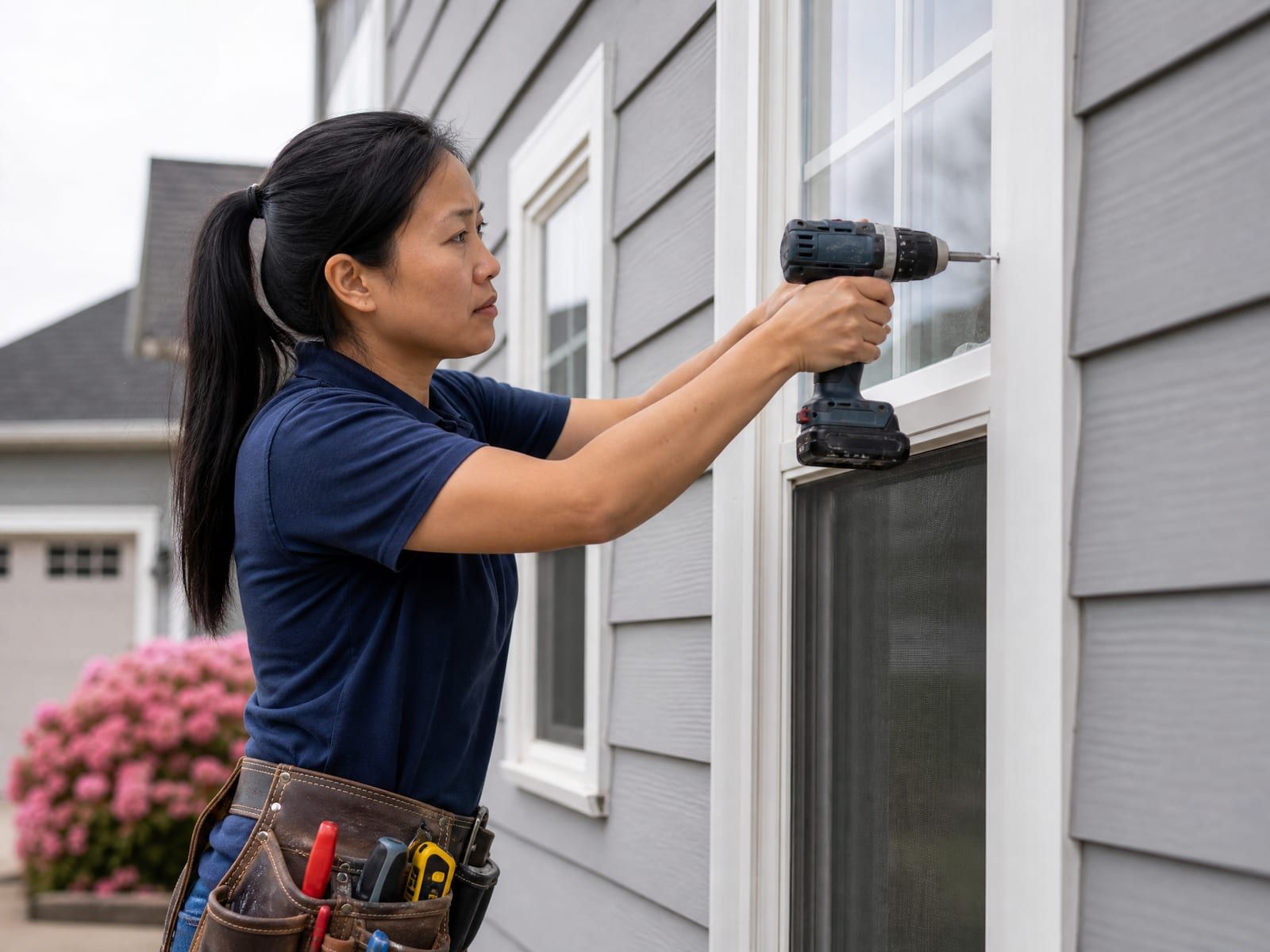
It’s a full-service in-home replacement company, not just a product you buy off a shelf. Renewal by Andersen is Andersen Corporation’s full-service replacement division.
They manufacture a proprietary , sell through an in-home appointment, install with their own crews, and back the job with a comprehensive transferable warranty that covers product and labor.
That’s the full-service in-home category — one company designs, sells, installs, and warranties the whole thing. It’s a different animal from buying an Andersen window through a dealer channel and hiring your own installer.
Neither model is “the right one.” They’re two different trades. Most of what people argue about with this brand comes down to not seeing that the model — not the glass — is what they’re really reacting to.
The warranty is structured as a single transferable limited warranty that covers the product and the installation — different components carrying different term lengths rather than one blanket “lifetime” number. The published homeowner warranty sets separate clocks:
- The glass and Fibrex material — one term
- The hardware and non-glass parts — another
- The installation labor — its own
It transfers automatically to the next owner.
Is the Fibrex product any good?
Yes — genuinely. This is where credibility gets earned or lost, so I’ll be straight: the Fibrex composite is a good frame material.
It’s a composite of reclaimed wood fiber and thermoplastic polymer — about 40% reclaimed wood fiber, per Andersen’s Fibrex material — which makes it dimensionally stable, low-maintenance, and better at holding dark colors than standard vinyl.
That last part matters more than it sounds. Dark vinyl frames can warp in direct sun, and a lot of NC glass takes hard afternoon sun on the west side of the house. A more stable composite is a real advantage there, not a brochure line.
That’s the verified-fact-versus-opinion line worth holding. Fact: Fibrex is a stable composite and the warranty is whole-job. Reputation: the recurring complaint in homeowner reviews is about the sales process and the price — not the window’s quality.
Many of those same buyers still report being satisfied with what got installed. When you strip out the pitch, the thing on your wall is not what people regret.
VERIFIED (July 2026): Fibrex composition confirmed on Andersen’s own material page — reclaimed wood fiber + thermoplastic polymer, about 40% reclaimed wood fiber, Andersen-exclusive. Cited in the Sources block. (renewalbyandersen.com/resources/articles/fibrex-composite-material)
Why is Renewal by Andersen so expensive?
You’re paying for the full-service model, not a better pane of glass. This is the honest cost answer.
A full-service in-home company carries real overhead that a lean local contractor doesn’t: showrooms, heavy advertising, a commissioned in-home sales force, and a whole-job warranty. All of that is priced into every job, on top of the glass package itself.
That’s not a knock — it’s just where the model lives. Turnkey convenience and single-source accountability cost money to deliver, and somebody has to fund the ad you saw and the rep who spent two hours at your table.
But it does mean Renewal by Andersen will rarely be the rock-bottom number against a contractor fitting a dealer-channel window. When two quotes for similar windows come in thousands apart, this is usually most of the gap — not a quality difference you’d ever feel through the glass.
If you want the full mechanism, here’s why two quotes for similar windows come in so far apart.
On price, I’ll give you a range, not a number — because a single “average” is the least honest thing anyone can hand you here. National cost aggregators put a Renewal by Andersen window across a wide span:
- The full span: roughly $800 to $5,000 installed
- Most typical configurations: the $1,500–$3,500 band
- Premium options: running past $5,000
That’s a national estimate, not a quote for your house. Your real number depends on the window style, size, glass package, and how complicated the install is — which is exactly why I’d defer every dollar of it to a live local quote rather than let any web figure set your expectation.
The sales pitch: what to expect (and the pressure pattern)
Expect a long presentation, a request that both decision-makers be home, a high anchor price, and a big same-night discount. I want to name that pattern plainly, because recognizing it is what protects you — and then I want to be fair about it.
Here’s the fair counterpoint: the discount math is a sales tactic, not a scam, and the windows are real. The product doesn’t get worse because the pitch is aggressive.
You just shouldn’t let the pitch make the decision for you. Homeowner reviews frequently describe the same red flags, so here’s how to read each one:
- The same-night discount. A real price doesn’t evaporate by morning. “This number only holds if you sign tonight” is a pressure tell, not a deal.
- “Both spouses must be home.” That’s designed to get a decision in the room, not to serve you better.
- The anchor-then-drop. A high opening number makes the discounted one feel like a win. Compare it against other quotes, not against the anchor.
- One-call-close urgency. A good window is still a good window next week. So is a good company.
Each of those is the model at work — not proof the product is bad.
NC homeowner takeaway: your instinct to slow this down is the correct one. You’ve heard the “$18k for two windows, sign tonight” stories, and the discomfort you feel at that kitchen table is information, not rudeness. For the standalone breakdown, here’s the sign-tonight discount, decoded.

To be precise about where that pattern comes from: it’s drawn from aggregated homeowner reviews on sites like ConsumerAffairs and the Better Business Bureau, which frequently cite the long in-home presentation, the both-decision-makers-present request, the high anchor price, and a same-night discount often in the 20–40% range.
Those are the recurring themes homeowners describe — not a fact I’m stating about how the company instructs its reps.
And notably, many of those same reviewers are happy with the installed windows. The complaint clusters on the sales process and the price, not the glass.
Can I get the same windows cheaper?
Often, yes — Andersen’s Fibrex line through an independent dealer can come in lower installed. Same composite, leaner overhead.
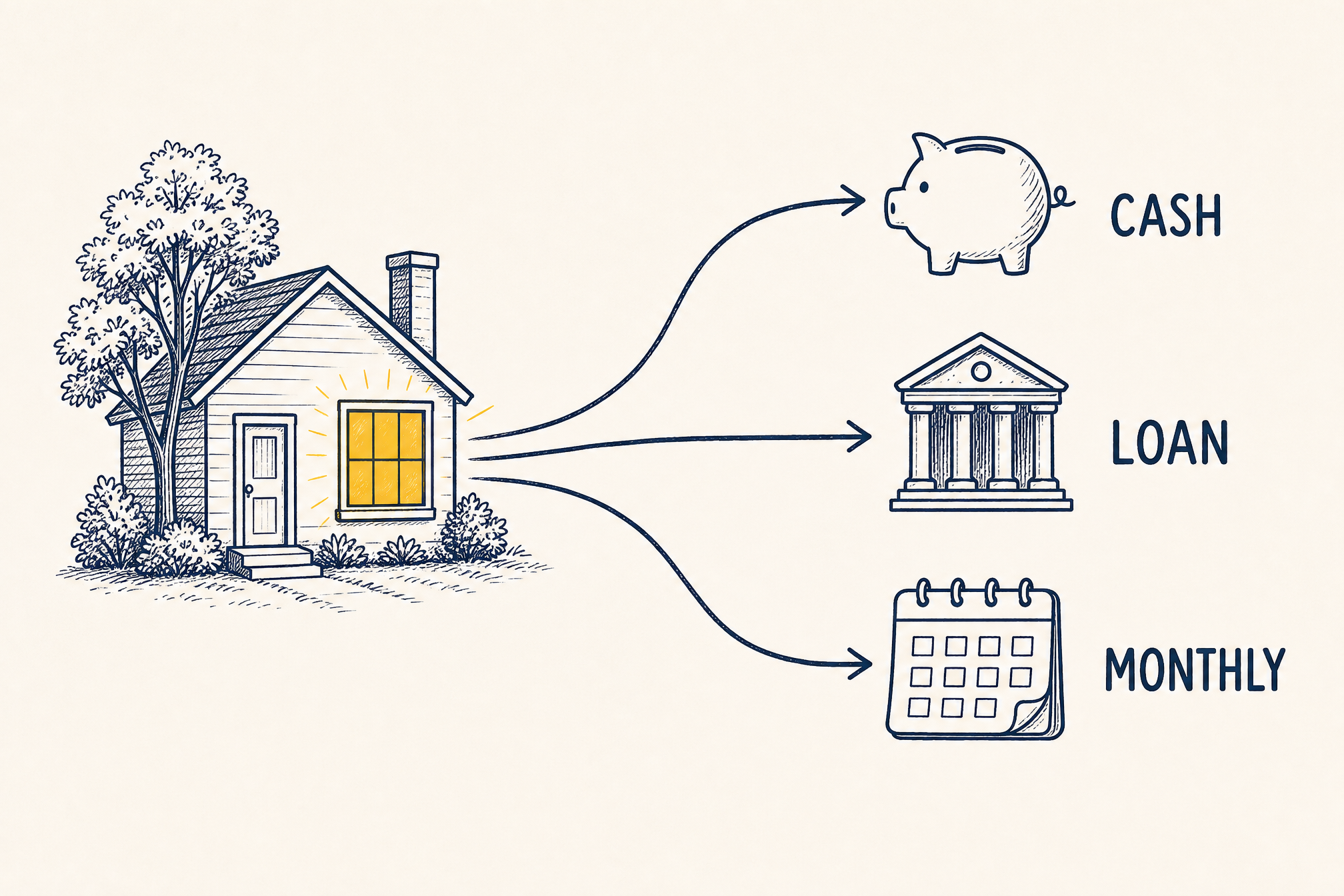
You can also shop the install separately instead of buying product and labor as one bundled in-home package, which is a real lever if you’ve got a good local installer. The trade you’re weighing is bundled convenience and one warranty versus a lower number and more moving parts.
Here’s the same-name, different-deal choice laid out side by side:
| What you're comparing | Renewal by Andersen (full-service) | Andersen Fibrex via dealer channel |
|---|---|---|
| What you buy | Product + install + warranty as one bundle | The window; you arrange the install |
| Who installs | Renewal by Andersen's own crews | An installer you choose (vet them yourself) |
| Warranty scope | Whole-job — product and labor, transferable | Product warranty from the manufacturer; labor from your installer |
| Rough installed cost | Full-service premium (defer to a live quote) | Often lower installed — leaner overhead |
| Sales process | In-home appointment, anchor price, same-night discount | Varies by dealer; usually lower-pressure |
What you buy
- Renewal by Andersen (full-service)
- Product + install + warranty as one bundle
- Andersen Fibrex via dealer channel
- The window; you arrange the install
Who installs
- Renewal by Andersen (full-service)
- Renewal by Andersen's own crews
- Andersen Fibrex via dealer channel
- An installer you choose (vet them yourself)
Warranty scope
- Renewal by Andersen (full-service)
- Whole-job — product and labor, transferable
- Andersen Fibrex via dealer channel
- Product warranty from the manufacturer; labor from your installer
Rough installed cost
- Renewal by Andersen (full-service)
- Full-service premium (defer to a live quote)
- Andersen Fibrex via dealer channel
- Often lower installed — leaner overhead
Sales process
- Renewal by Andersen (full-service)
- In-home appointment, anchor price, same-night discount
- Andersen Fibrex via dealer channel
- Varies by dealer; usually lower-pressure
For the side-by-side write-up, here’s Renewal by Andersen vs Andersen — same name, different deal.
Is the warranty worth the premium?
The whole-job, single-source, transferable warranty is a legitimate value — for the buyer who wants one company accountable in year five. There’s real worth in knowing exactly who answers the phone when something fails, with no finger-pointing between a manufacturer and an installer.
That single-source accountability is worth something, and it’s the honest thing the full-service model buys you that a split product-plus-installer job doesn’t.
It is not worth any price, though — it’s one factor to weigh against the premium, not a blank check. And “transferable” and “lifetime” are words worth reading the fine print on, not taking from the pitch.
Ask what actually transfers to the next owner, and what “lifetime” is measured against, before you let either word do any work in the decision.
One caution I’d add: the warranty isn’t a single “lifetime” blanket. It’s a set of component terms — the glass and Fibrex on one clock, hardware and screens on another, the installation labor on its own — bundled under one transferable document.
So before you let “lifetime warranty” close the sale, pull the current warranty document and read what each component’s term actually is, what “transferable” carries to the next owner, and what “lifetime” is measured against.So — is it worth it?
It’s worth it if you value turnkey convenience and single-source accountability, and the quote survives comparison against two other numbers. It’s not worth it if you’re signing the same night without those other quotes in hand.
Here’s what I’d check on a Renewal by Andersen quote before anyone signs anything:
Questions to ask before you sign a Renewal by Andersen quote
- Is this exact price still valid in seven days?
- What does the labor warranty cover, and is it transferable to the next owner?
- Can I see the same Fibrex window quoted through an independent dealer?
- What’s the anchor number versus the “tonight” number — and why the gap?
- Who does the install, and can I see their recent local work?
Copy these into your phone and read them back at the table. A quote that holds up has honest answers to all five.
Before you sign, get two more quotes and let the bundled premium be a choice you made on purpose — not one the kitchen-table clock made for you.
If you’ve got a Renewal by Andersen quote on the counter right now and you want a straight read on it — no pitch, no sign-tonight, just whether the number and the package hold up — that’s exactly what a second opinion is for! Get an honest second opinion on your quote.
Sources, Verification & Fact-Checking verified July 2026
Every load-bearing fact on this page is sourced and verified against a primary authority.
Verified July 2026 via direct review of the cited authority — the links open the controlling source so you can check it yourself rather than take our word.
- Renewal by Andersen is Andersen Corporation’s full-service in-home replacement division, selling a proprietary Fibrex composite frame — a fusion of reclaimed wood fiber and thermoplastic polymer, made exclusively by Andersen — and installing with its own installation crews. Confirmed on the company’s own product page; Andersen’s Fibrex material page states the composite is about 40% reclaimed wood fiber. (view source — renewalbyandersen.com exclusive product; Fibrex composite material (~40% reclaimed wood fiber))
- The warranty is a single transferable limited warranty covering product, labor, and installation, with distinct term lengths per component. The company’s own homeowner warranty sets separate terms for the insulating glass and Fibrex material, the hardware and non-glass components, and the installation labor, and transfers automatically to the next owner. Term lengths and conditions can vary by installation date and region, so read the current document for the exact years before letting “lifetime” or “transferable” carry weight in a decision. (view source — renewalbyandersen.com warranty)
- The NFRC label is the independent, standardized way to compare any window’s energy performance — the number on a Renewal by Andersen quote worth taking at face value, measured the same as every other brand’s. (view source — NFRC)
- ENERGY STAR sets the climate-zone window targets that apply to NC homes, the benchmark to hold any brand’s glass package against regardless of the pitch. (view source — ENERGY STAR criteria)
- The high-pressure sales pattern (long presentation, both-decision-makers-present, high anchor price, and a same-night discount often cited in the 20–40% range) is drawn from aggregated homeowner reviews, not stated as company fact. Many of those same reviewers report satisfaction with the installed windows — the recurring complaint is about the sales process and price, not the product. Read the brand’s complaint themes for yourself before weighing them. (view source — Better Business Bureau) · (view source — ConsumerAffairs)
- Rough installed cost band: national cost aggregators place a Renewal by Andersen window roughly $800–$5,000 installed, with most typical configurations around $1,500–$3,500 and premium options above $5,000 — a national estimate only, not a quote. Always defer to a live local quote. (view source — HomeGuide cost data)