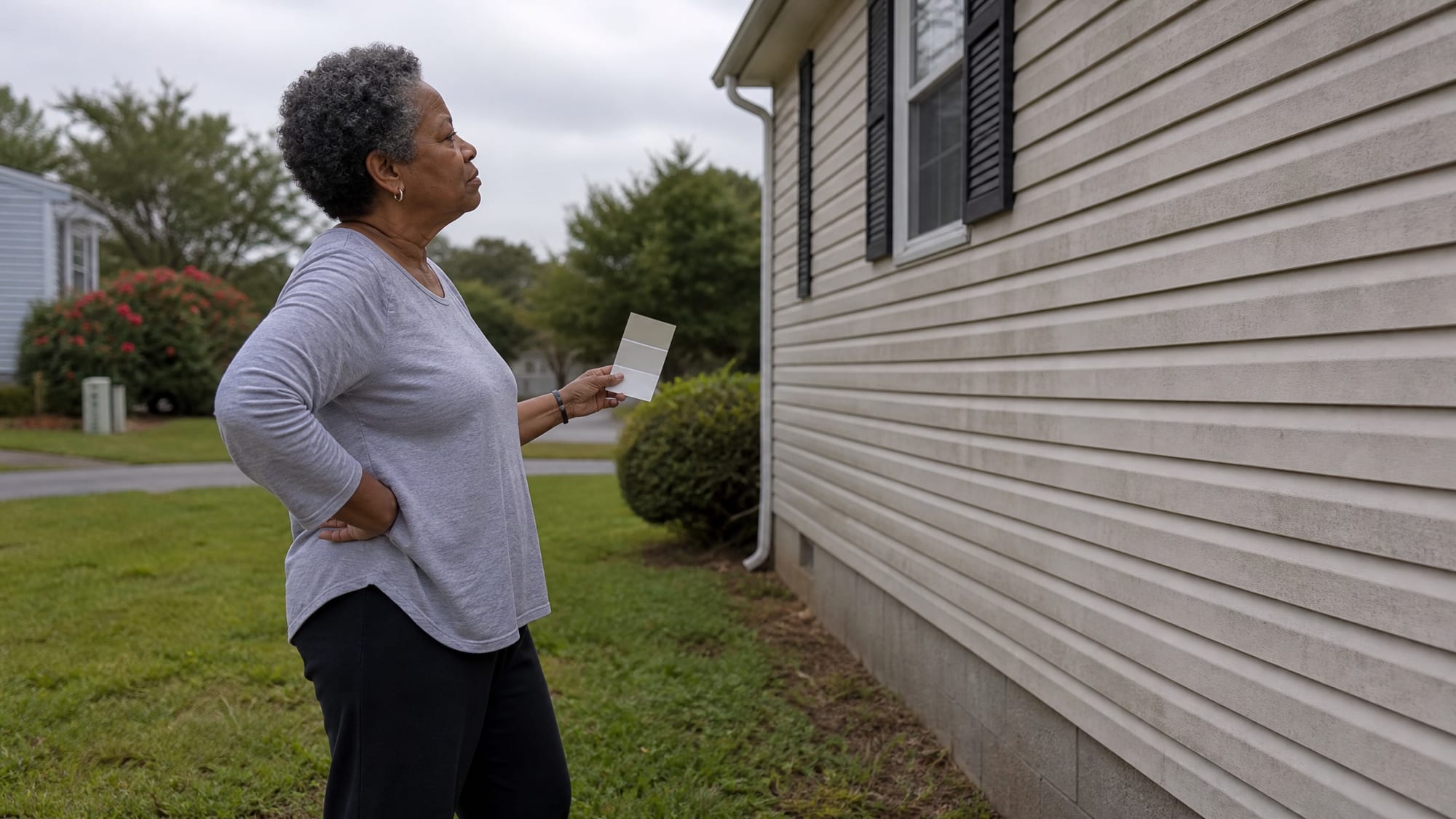


You’ve narrowed it to vinyl, and now you’re standing at a color wall holding a three-inch chip, trying to decide what your whole house looks like for the next 20 years.
Here’s the part that makes it heavier than picking a paint color: you don’t repaint vinyl. The color is baked through the panel, so the shade you choose is the shade you keep until you re-side.
That’s why the loudest thing homeowners say about siding color isn’t excitement. It’s regret — “I picked it off a chip and hated it the day the crew left.” This page is built to keep you out of that thread.
We’ll cover the colors that hold up and resell in North Carolina, whether dark really does fade and warp in Carolina sun, the fade warranty almost nobody reads, and how to match the brick and roof you’re keeping. The profiles that carry the color live on the siding styles page; the dollars live on the siding cost page.
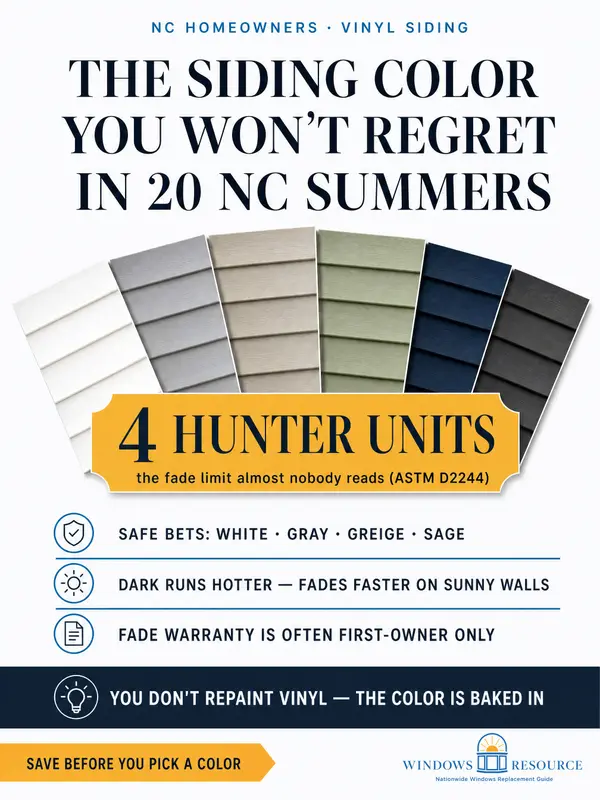
What are the best vinyl siding colors, and do dark ones fade in NC? The broad-appeal, resale-safest picks are whites, the full gray range (light to charcoal), and warm neutrals like greige, taupe, and beige — with earthy sage greens the 2026 shift. They read well against the brick and stone common on NC homes and stay in style longest. Dark colors (navy, charcoal, black) do run hotter and historically fade faster, worst on south- and west-facing Piedmont walls — but engineered lines with solar-reflective pigment and a weatherable capstock hold deep color far better than a painted panel ever will. Whatever you pick, check the fade warranty (a common standard covers color change up to about 4 Hunter units), and test the color on all four sides of the house before you commit.
The color families, side by side (pick with your eyes)
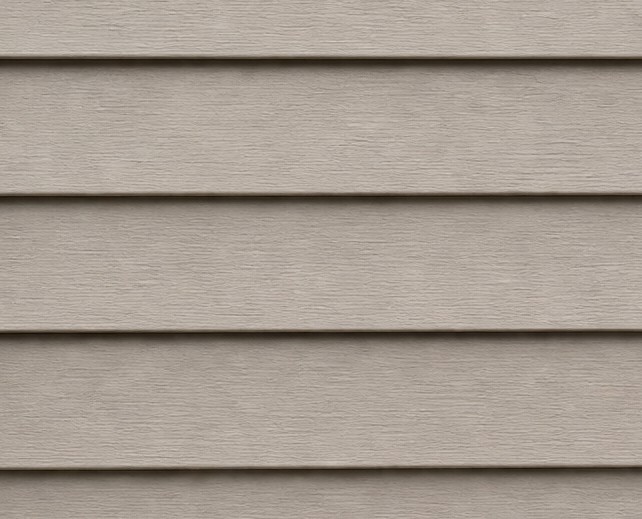
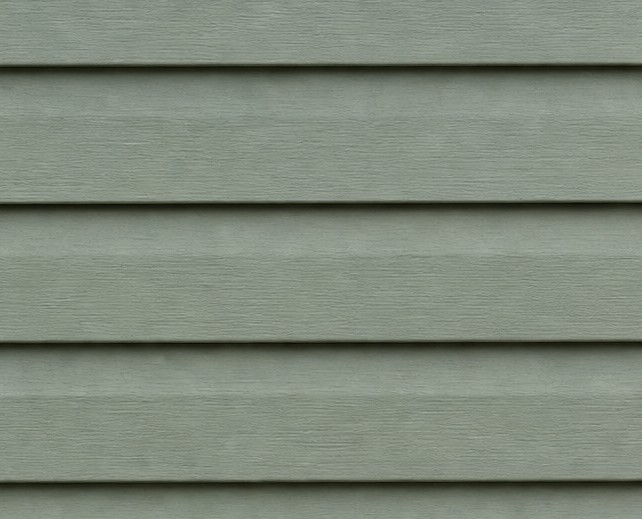
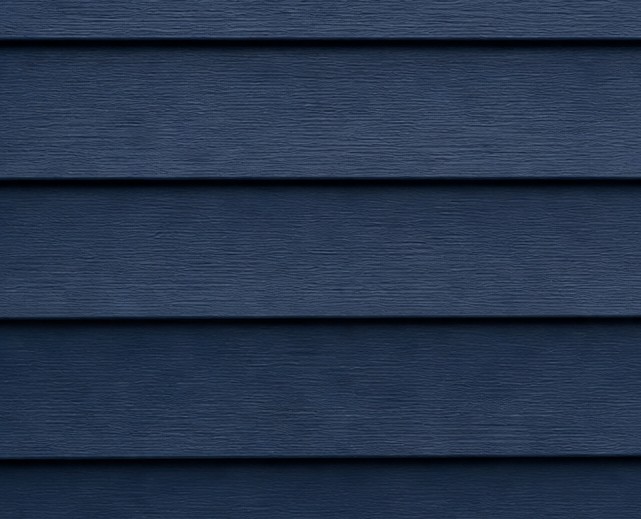
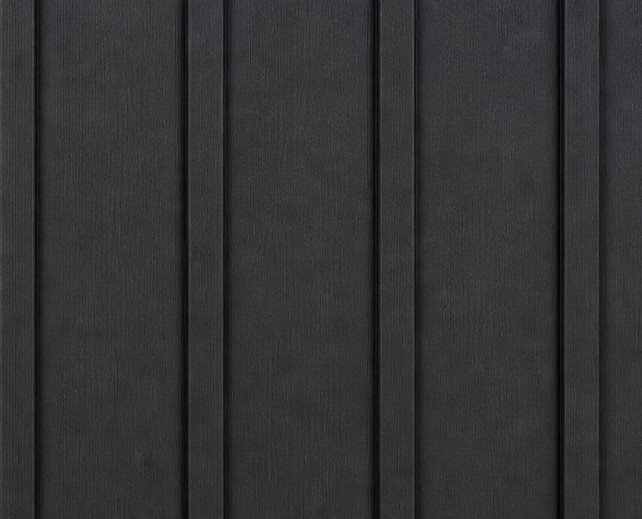
A color decision is a visual one, so here’s every everyday family as a swatch keyed to what actually matters — how it resells and how it handles NC sun — not a paragraph. Read down the swatches first; the columns just confirm what your eye already leaned toward.
| Color family | Swatch | The read | Resale-safety | Best on (NC) | Fade / heat risk |
|---|---|---|---|---|---|
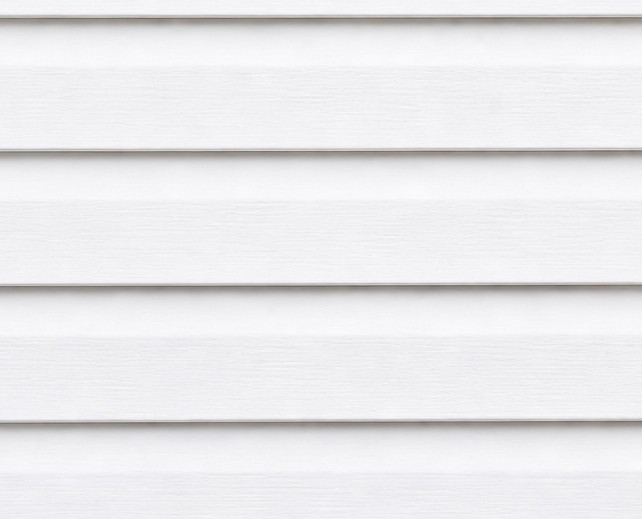
| White / Arctic White | 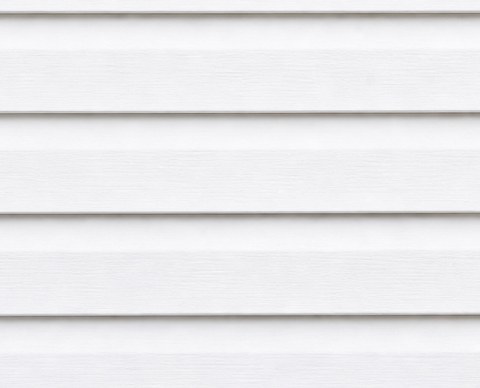 | Crisp, classic, always in style | Very safe — the perennial favorite | Traditional and farmhouse homes; trim on almost anything | Low heat/fade risk; shows dirt, algae, and mildew fastest in NC humidity |
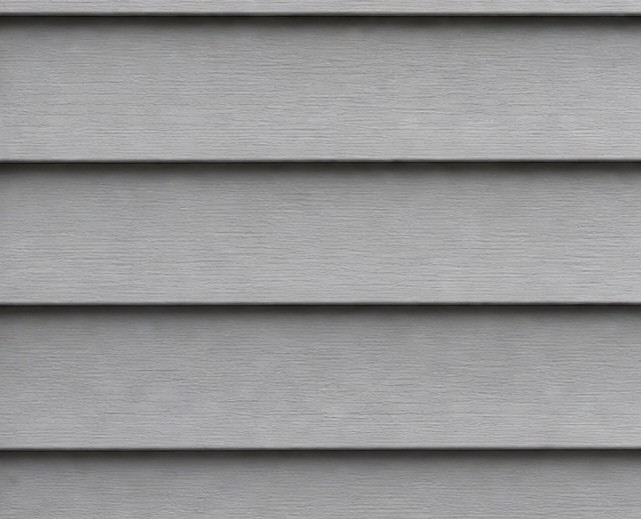
| Light-to-mid gray | 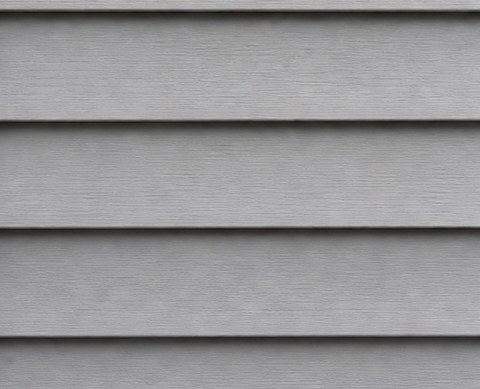 | Modern, calm, hides wear well between cleanings | Very safe — the broad-appeal default right now | Almost any NC home; the safe modern update | Low-to-moderate; mid-tones hide dirt better than white |
| Greige / taupe / beige | 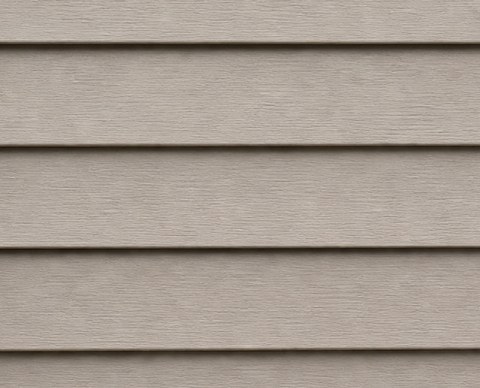 | Warm neutral; the friendliest match for brick and stone | Very safe — bridges warm and cool trim | Brick-and-stone-accented Triad homes; the warm-neutral pick | Low; forgiving between washes |
| Sage / earthy green | 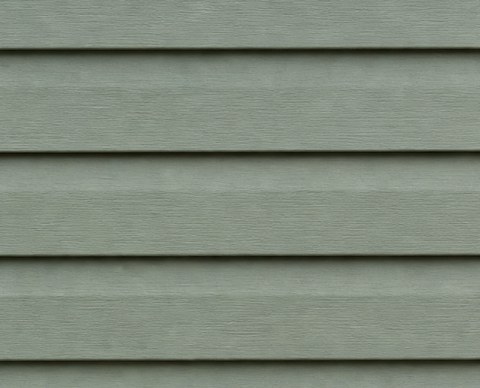 | Nature-tone, the 2026 move away from cool gray | Moderate-to-safe as a soft sage; bolder greens riskier | Craftsman, cottage, and wooded lots | Low-to-moderate for muted sage |
| Navy / slate blue | 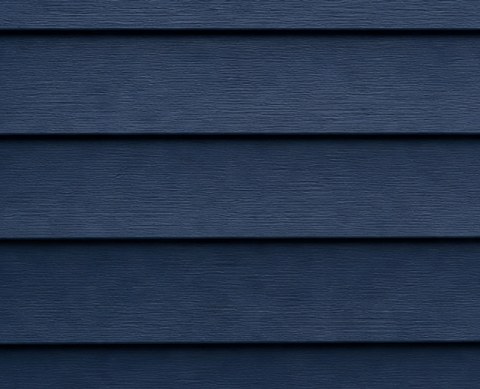 | Bold, pairs beautifully with white trim | Moderate — popular, but a 'live in it' color; neutral navies safer | Accents, or whole-house on the right facade with white trim | Higher — blues can fade; ask for a solar-reflective line and read the fade warranty |
| Charcoal / black | 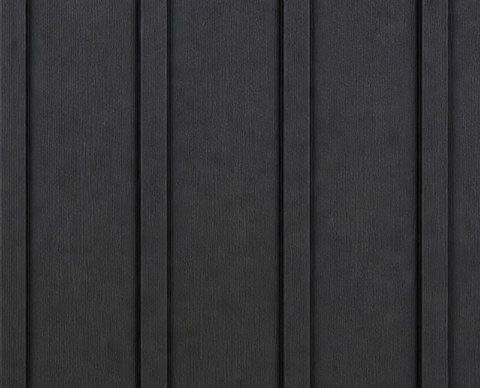 | Sleek, dramatic, high-contrast trim | Riskier for broad resale — a strong statement | Modern farmhouse and contemporary; south/west walls need the engineered line | Highest — buy an engineered solar-reflective line, not a painted dark, and read the fade warranty |
White / Arctic White
- Swatch
-
- The read
- Crisp, classic, always in style
- Resale-safety
- Very safe — the perennial favorite
- Best on (NC)
- Traditional and farmhouse homes; trim on almost anything
- Fade / heat risk
- Low heat/fade risk; shows dirt, algae, and mildew fastest in NC humidity
Light-to-mid gray
- Swatch
-
- The read
- Modern, calm, hides wear well between cleanings
- Resale-safety
- Very safe — the broad-appeal default right now
- Best on (NC)
- Almost any NC home; the safe modern update
- Fade / heat risk
- Low-to-moderate; mid-tones hide dirt better than white
Greige / taupe / beige
- Swatch
-
- The read
- Warm neutral; the friendliest match for brick and stone
- Resale-safety
- Very safe — bridges warm and cool trim
- Best on (NC)
- Brick-and-stone-accented Triad homes; the warm-neutral pick
- Fade / heat risk
- Low; forgiving between washes
Sage / earthy green
- Swatch
-
- The read
- Nature-tone, the 2026 move away from cool gray
- Resale-safety
- Moderate-to-safe as a soft sage; bolder greens riskier
- Best on (NC)
- Craftsman, cottage, and wooded lots
- Fade / heat risk
- Low-to-moderate for muted sage
Navy / slate blue
- Swatch
-
- The read
- Bold, pairs beautifully with white trim
- Resale-safety
- Moderate — popular, but a 'live in it' color; neutral navies safer
- Best on (NC)
- Accents, or whole-house on the right facade with white trim
- Fade / heat risk
- Higher — blues can fade; ask for a solar-reflective line and read the fade warranty
Charcoal / black
- Swatch
-
- The read
- Sleek, dramatic, high-contrast trim
- Resale-safety
- Riskier for broad resale — a strong statement
- Best on (NC)
- Modern farmhouse and contemporary; south/west walls need the engineered line
- Fade / heat risk
- Highest — buy an engineered solar-reflective line, not a painted dark, and read the fade warranty
Do dark vinyl siding colors fade — and warp — in NC sun?
Directionally, yes: darker colors absorb more solar and UV energy, so historically they’ve faded faster and run hotter than light ones — worst on the south- and west-facing walls that take the hardest Piedmont sun. That’s the real physics behind the “dark is a gamble” reputation.
Heat matters too. Vinyl is a thermoplastic, and enough sustained heat can drive thermal expansion into buckling, rippling, or distortion. That’s why heat distortion sits in the fine print as a standard warranty exclusion on most lines — including the classic NC case of a neighbor’s reflective low-E window glass throwing concentrated sun onto a wall.
I’m deliberately not going to give you a surface-temperature number for when vinyl warps. The figures that float around forums don’t trace to an authoritative source, so I won’t publish one. The direction is what’s real and useful: dark absorbs more, runs hotter, and carries more fade and warp risk than light — most on your sunniest walls.
The good news is that modern color-through panels and weatherable capstock have narrowed the old fade gap a lot. A quality panel in a mid-tone gray can still look sharp after 15 years. The fade mechanism itself — UV, capstock, why it happens — lives on the vinyl siding guide; this page is about which color to pick knowing it.
The fade warranty nobody reads (the number that should decide it)
Fade isn’t a vibe — it has an actual measured threshold, and it’s the lever nobody at the color wall hands you. A common standard: the warranty covers color change up to a set limit, and anything past that is “excess fade” the manufacturer is on the hook for.
Here’s the catch that matters for a page about selling your house, and that no color gallery mentions: on many warranties, the fade coverage is first-owner-only. The rest of the warranty may prorate to a new owner, but the fade protection often does not transfer. So if resale is part of your thinking, the fade guarantee is a benefit you hold, not the buyer.
The move: whatever color you’re drawn to — especially a dark one — ask what its fade warranty limit is, and whether the fade coverage transfers. That one question tells you more about “will this last” than any brochure adjective.
Can you get a dark color that won’t fade?
Closer than the old reputation suggests — if you buy the line engineered for it. Several manufacturers now make deep shades with solar- or infrared-reflective pigment plus a weatherable capstock, built to stay cooler and hold color. Mastic’s SolarDefense line is one live example, offered on select deep shades and marketed specifically to “handle the intensity of sun and heat.”
This is also the clean line between factory-dark and painted-dark. A factory dark panel is engineered — reflective pigment, capstock, and a fade warranty behind it. A painted dark panel over lighter vinyl has none of that, which is why painting a light house dark is the classic way to warp a wall.
The painting page owns that repaint rule in full. The short version here: if you want dark, pick a built-in dark color made for it rather than painting your way there.
The one thing to do before you commit to a dark line: ask for its written fade spec in Hunter units, not just the marketing name. The engineered lines back their deep shades with a tighter fade promise than standard panels, but the number lives in the product warranty and technical-data sheet — so get it in writing for the exact shade you want.
Which vinyl siding colors are safest for resale?
The broad-appeal neutrals — and the reason to care is that a color is the cheapest way to protect the most expensive part of the project. Vinyl siding replacement recovers a strong share of its cost at resale nationally (the sibling vinyl siding guide and cost page carry the exact figure).
A too-trendy color doesn’t change the panel — but it can force a pre-sale repaint or narrow your buyer pool, quietly eating that recovery.
The families that resell and stay in style longest keep converging across every source:
- Whites — the perennial favorite, timeless, but they show dirt and algae fastest in NC humidity.
- The full gray range — light gray through greige to charcoal; the modern default, and mid-tones hide wear well.
- Warm neutrals — greige, taupe, khaki, beige; the friendliest match for brick and stone.
- Sage and earthy greens — the notable 2026 shift toward nature tones, warm and broadly liked in a muted sage.
The bolder end is where you go in eyes-open. Navy is popular and pairs beautifully with white trim, but blues can be prone to fading, so neutral navies are the safer bet.
Deep charcoal and black look sharp and trend hard, but they carry the highest heat and fade exposure and read as a statement, not a safe default. And red pigments are the notorious fade-fastest of the bunch.
NC homeowner takeaway: you were right to suspect that “just pick what you love” isn’t the whole answer. A trendy color can age out before your siding does — that instinct is correct.
Neutral isn’t the timid choice here. It’s the color you’re still happy with when the trend moves on, and the one that protects your money if you sell. Go bold on purpose, as a live-in-it decision, not by accident.
The one step that prevents most regret
Test the color on the actual house — all four sides, at different hours — before you sign anything. The single most common regret in the VoC isn’t a bad color. It’s a color that looked right on a three-inch chip and wrong on a whole wall in July sun.
While you’re sampling, look at the color against the fixed stuff too — which is the next question.
How do I match siding color to brick, stone, and my roof?
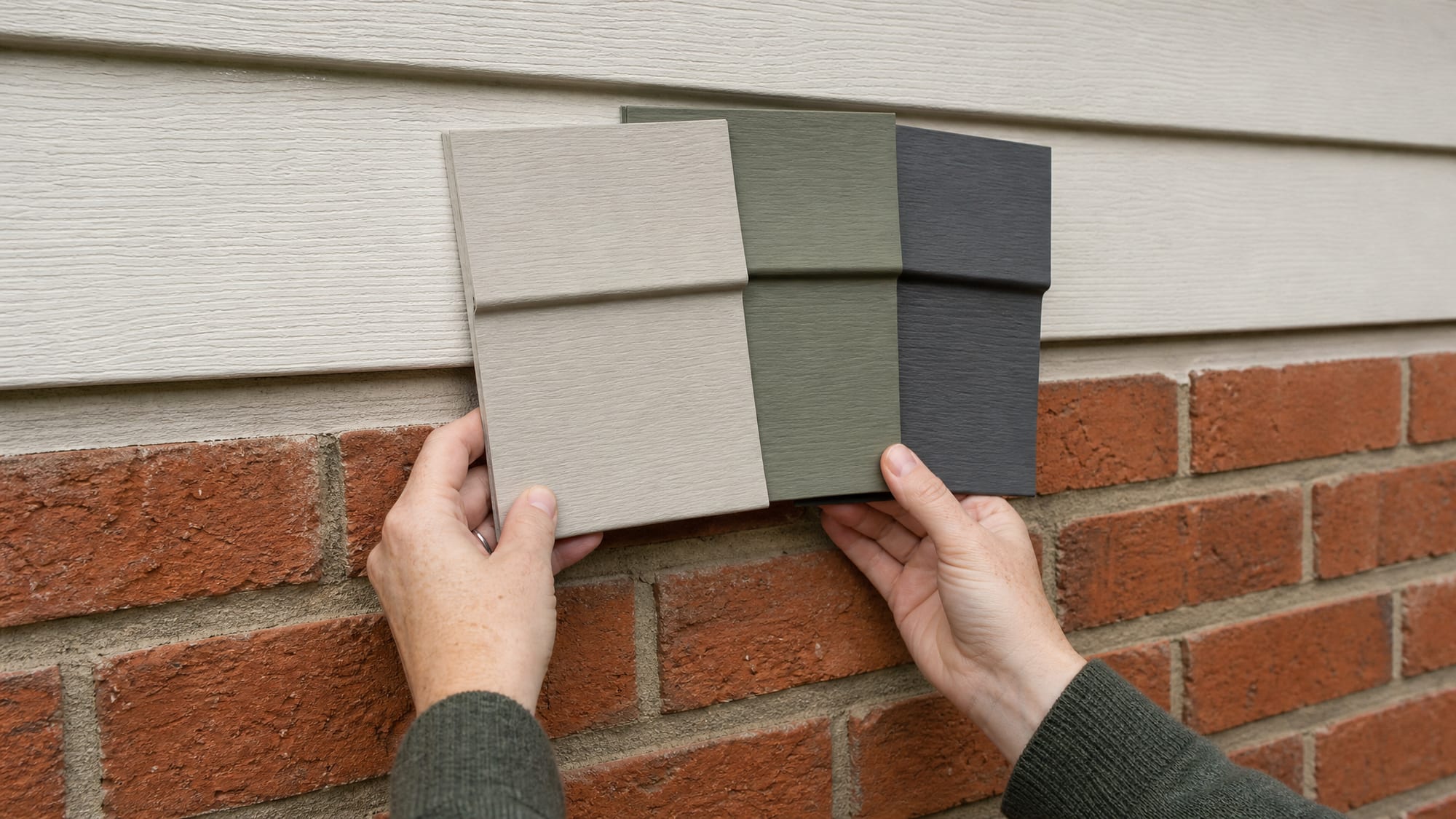
Start from what you’re not replacing. The brick, stone, and roof aren’t changing, so the siding field color has to complement them, not compete. A lot of NC homes — especially the 1980s Triad ranch and split-level stock — came with brick or stone accents that quietly lock in your undertone.
The plain-English read:
- Warm brick (red, orange, tan) generally likes warm neutrals — greige, taupe, warm beige.
- Cool gray brick or stone takes cooler grays and greiges without clashing.
- The roof counts — a warm-brown shingle and a cool-gray siding can fight each other even when each looks fine alone.
Hold the real swatches against the actual brick in daylight, not against a showroom wall. This is the one piece of guidance the national color galleries skip, and it’s the one that keeps a nice color from looking wrong on your house.
Match the color to the windows and trim
A color choice is really a facade choice, and the windows and trim are the other half of it. Pick a trim color and a window color that read as one deliberate design with the siding, rather than three separate decisions — white trim to crisp up a navy or sage, a coordinated window frame so the whole elevation looks intentional.
If you’re re-siding an older NC home, the windows are usually part of the same conversation anyway — same wall, same installer, often the same quote. That’s worth a look at window styles and colors while the facade is on the table.
And if you’d rather see the color on your real wall than guess from a chip, that’s exactly what a walkthrough is for. Tell me your home’s era and which way it faces, and I’ll bring the actual swatches to hold against the brick in daylight — and read the fade warranty with you, so “will it last” is a fact, not a hope.
Sources, Verification & Fact-Checking verified July 2026
Every load-bearing fact on this page is sourced and verified against a primary authority.
Verified July 2026 via direct review of the cited authority — the links open the controlling source so you can check it yourself rather than take our word.
- A common vinyl fade warranty covers color change up to about four (4) Hunter units, measured per ASTM D2244, before it counts as “excess fade” — and the fade coverage is often first-owner-only, not transferable to a buyer. Verbatim from CertainTeed’s Vinyl Siding Limited Warranty (CTS230): excess fade is “a change in color, as calculated according to ASTM D2244, greater than four (4) Hunter units,” and “the fade protection coverage of this Warranty is not transferable.” Thresholds and exclusions vary by brand and line — the specific warranty document governs. (view source — CertainTeed warranty information)
- Corroboration and the heat-distortion exclusion: most vinyl warranties cover fade beyond roughly 4–5 Hunter units (Delta E), with some premium lines to 3, and heat distortion is a standard exclusion — including panels warped by a neighbor’s reflective low-E window glass. From the windowsresource knowledge base (siding product knowledge), which grounds the Hunter-unit band, the prorated-on-transfer structure, and the heat-distortion / reflective-glass exclusion class. Color itself is not code-regulated — unlike egress or coastal wind, there is no NC code value for siding color. (see the vinyl siding guide for the fade mechanism)
- Dark colors absorb more solar and UV energy, so historically they fade faster and run hotter than light colors — worst on south- and west-facing walls — with excess heat driving thermal expansion into buckle/ripple/distortion risk. Direction grounded 2026-07-13 and consistent with the KB heat-distortion exclusion; the south/west-exposure sharpening mirrors the sibling painting page. No surface-temperature or warp-temperature figure is published here: the parallel ~165–175 °F figure was dropped on the painting fact-check as having no authoritative source, and the same discipline applies. No hard Light Reflectance Value floor is published either (a trade rule of thumb, not a spec) — kept conceptual: lighter/higher-reflectance colors run cooler.
- Engineered-dark exception: some deep shades use solar- or infrared-reflective pigment plus a weatherable capstock to stay cooler and resist fade — for example Mastic’s SolarDefense line — and a factory-dark panel holds deep color far better than a painted-dark panel, which has neither the reflective pigment nor the capstock. Mastic SolarDefense live-verified on plygem.com, described verbatim as “engineered to handle the intensity of sun and heat — protecting your color investment long term”; the factory-dark-vs-painted-dark distinction reconciles with the sibling painting page (which owns the repaint heat rule). A specific Hunter-unit fade figure for SolarDefense is not published here: the manufacturer’s public color page states the sun-and-heat engineering without a numeric fade spec, and the exact figure lives in the product warranty and technical-data sheet, which governs. (view source — Ply Gem / Mastic vinyl siding colors)
- The broad-appeal, resale-safest color families are whites, the full gray range (light to charcoal), and warm neutrals (greige, taupe, beige), with earthy sage greens the notable 2026 shift; navy and charcoal/black are bolder and carry higher fade/heat exposure, and red pigments fade fastest. Directional trend synthesis (grounded search + manufacturer color guidance + live SERP), converging across sources; there is no clean single citable popularity percentage, so all popularity and trend claims are stated as directional (“commonly recommended,” “trending”), not as a hard statistic. Very light colors show dirt, algae, and mildew fastest in NC humidity; mid-tones and darker grays are more forgiving between cleanings.
- Choosing a broad-appeal color protects siding replacement’s strong resale recovery; matching the field color to fixed brick, stone, and roof is a design-fit judgment, not a spec. The vinyl siding replacement ROI figure (~96.5% nationally, 2025 Cost vs. Value Report) is verified on and owned by the sibling vinyl and cost pages and is referenced, not re-derived, here. The brick/stone/roof-coordination guidance is standard exterior-design practice adapted to common NC (Triad) housing stock; it is editorial design guidance, not a rule. (see the siding cost page for the dollars)