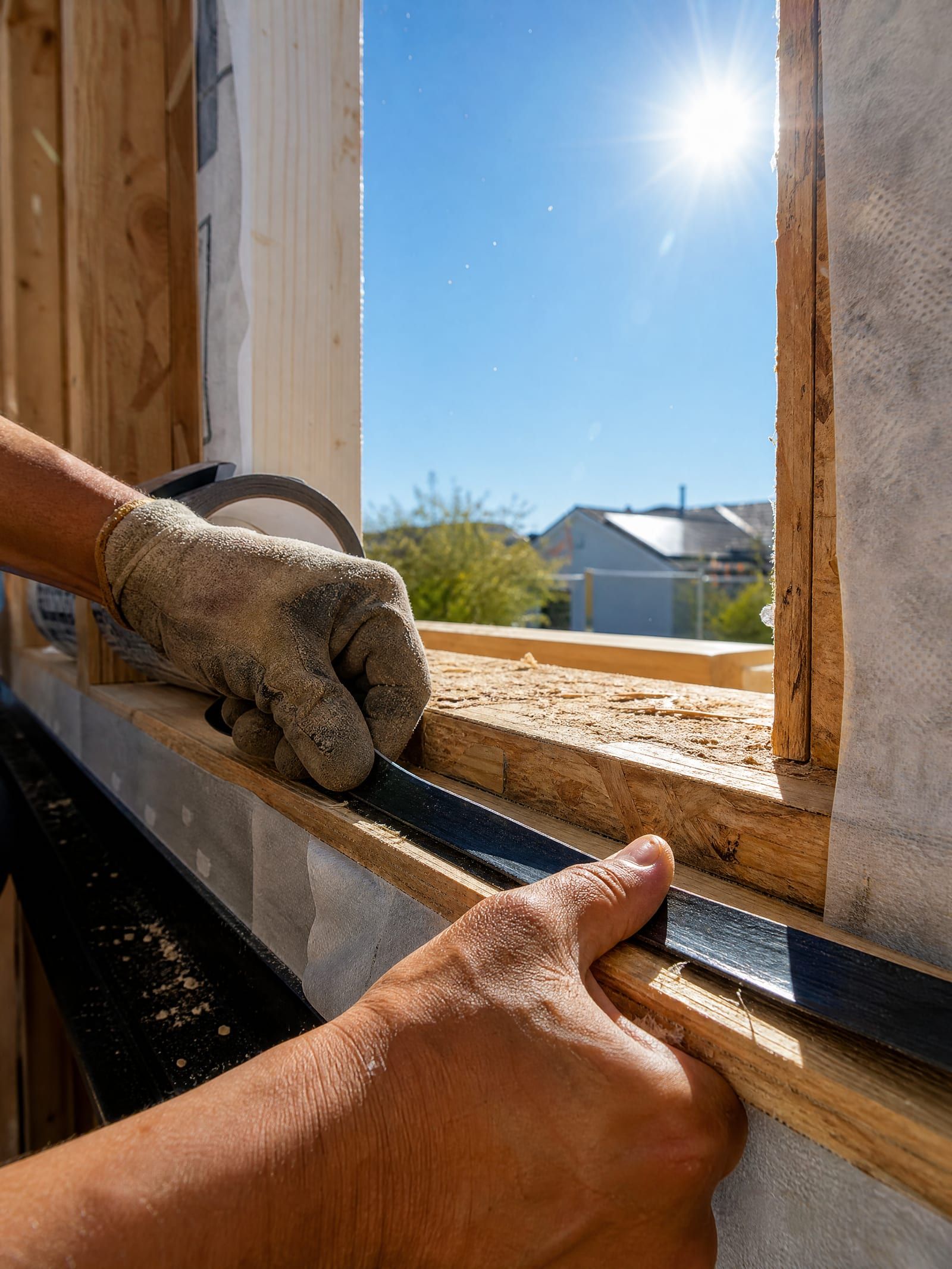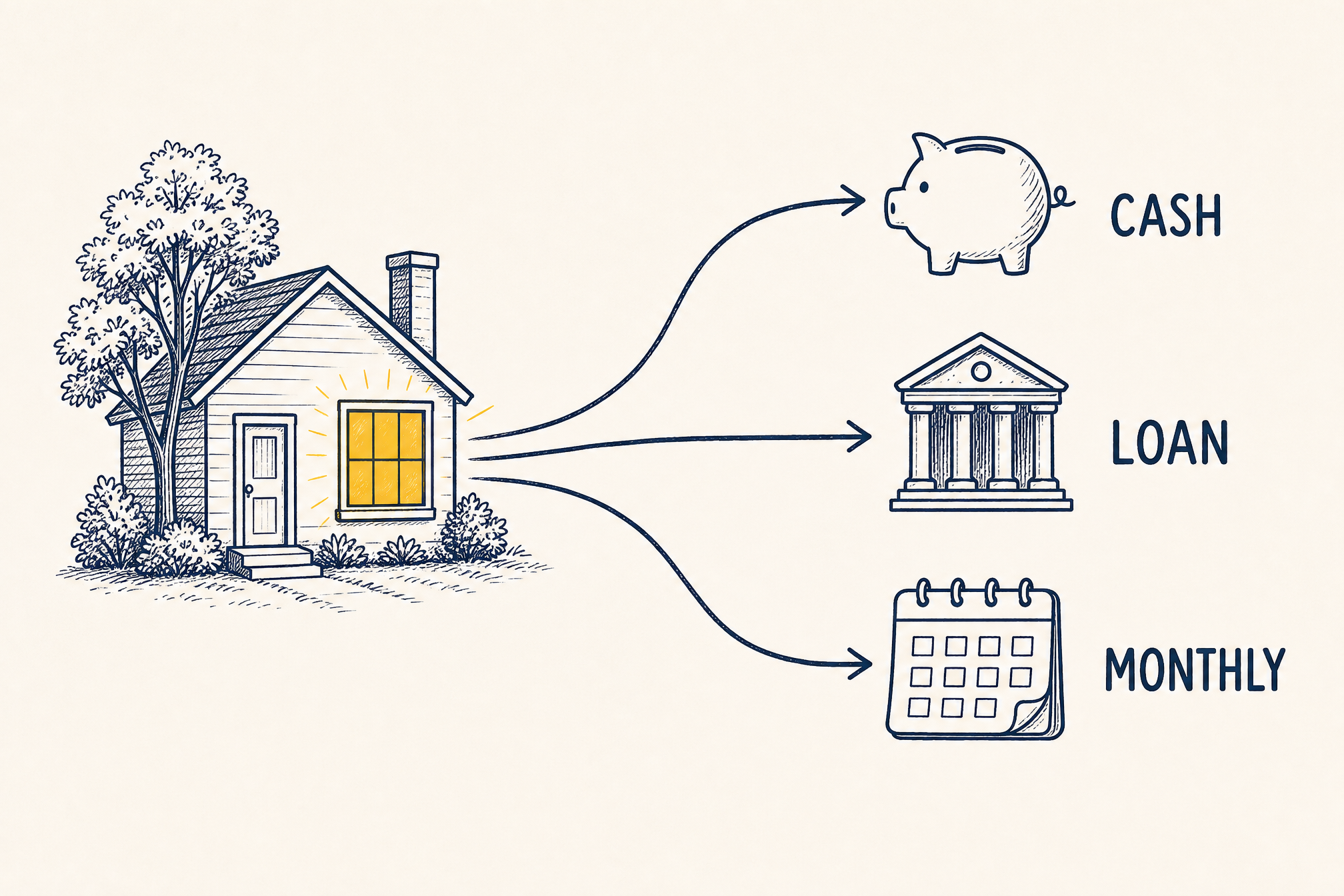




Search this question and you’ll notice something before you notice an answer: everyone answering it has a schedule to fill. A company with open January slots makes a strong case for winter. A manufacturer says any month works — and points you to a dealer. A quote site says the best time is right now.
None of them are lying. They’re answering from different seats, and each seat sees a different season. Enough people sense it that “best time to buy windows reddit” shows up as a suggested search — homeowners hunting for someone with no month to sell.
That’s the seat this page takes. I make my living in windows, but I don’t make it in any particular season. So here’s the calendar at its actual weight — which is less than you’ve been told — and the two levers that matter more.
When is the best time of year to replace windows in NC? The honest answer: professional crews install windows in North Carolina year-round, and a January install done right performs exactly like a June one. What actually changes with the season is price, lead time, and comfort — winter tends to run softer on the first two, summer harder, and spring and fall are the easiest to live through. The biggest timing lever isn’t a month at all: it’s starting 3–6 months before the season you want, because your windows have to be built first.
Why does every answer to this question disagree?
Because each answer comes from a different seat, and every seat has a season it needs to fill.
Line up the top results for this question and the pattern reads itself:
- The installer’s blog wants a smooth calendar. Winter capacity to fill means a winter-is-best article, with the promos to match.
- The manufacturer’s blog doesn’t care which month you pick — it cares that you visit a dealer. So the answer is “anytime,” with regional caveats.
- The quote aggregator gets paid when you fill out the form. Its best time is today.
Here’s the useful part: they’re all partly right. The winter promos are real. “Anytime” is technically true. And starting sooner genuinely beats waiting — just not for the reason the form page gives.
Keep each seat’s facts. Subtract each seat’s urgency. The rest of this page is what’s left when you do.
Can you replace windows in the winter?
Yes — and in NC’s mild winters, more comfortably than the national warnings suggest. The real question isn’t the month; it’s what’s in the crew’s caulk gun.
You’ve probably heard the rule: no caulking below 40 degrees. That rule is real — for the consumer latex caulk on the hardware-store shelf. The manufacturer’s own data sheet for the standard latex tube says to apply above 40°F, and not when freezing temperatures are forecast within 24 hours.
The sealant a professional window crew carries is a different product. OSI QUAD MAX — a common pro window-and-door perimeter sealant — prints its application range right on the technical data sheet: 0°F to 140°F. Not forty. Zero.
Cold doesn’t forbid the work; it changes the discipline. The surfaces have to be frost-free — any ice or snow gets cleared before the bead goes down. Cure runs slower in cold, damp air, so a careful crew allows for it.
Installers who’ve worked real winters name the same two things: the low-expansion foam behaves differently in bitter, dry air, and the caulk joint takes more care. Those are craft demands, not stop signs.
Now put all of that in a North Carolina winter. Sub-zero days essentially don’t happen here, and the average January high runs 49–52°F across the Piedmont’s big three — Greensboro, Raleigh, and Charlotte, per NOAA’s 1991–2020 climate normals. The typical winter afternoon clears even the 40-degree consumer-caulk line — the one a pro crew isn’t bound by anyway. Winter here is closer to a shoulder season than a shutdown.
What about the hole in my wall in January (or July)?
There isn’t one — not the way you’re picturing. Crews in rough-weather months work one window at a time, so your house is never open. It’s one window short, for about an hour.
This is the detail that defangs both extreme seasons, and it’s buried in the fine print of the same companies selling you a season. One owner described a December job on a 1950s cape cod: the crew pulled and set one opening at a time, and the whole job still took a day.
The same logic runs in July, in reverse. An owner whose windows went in on a hot day described the open wall trading blows with the air conditioning all afternoon. One-at-a-time staging is what keeps either season livable — each opening is open for minutes to an hour, not the whole house all day.
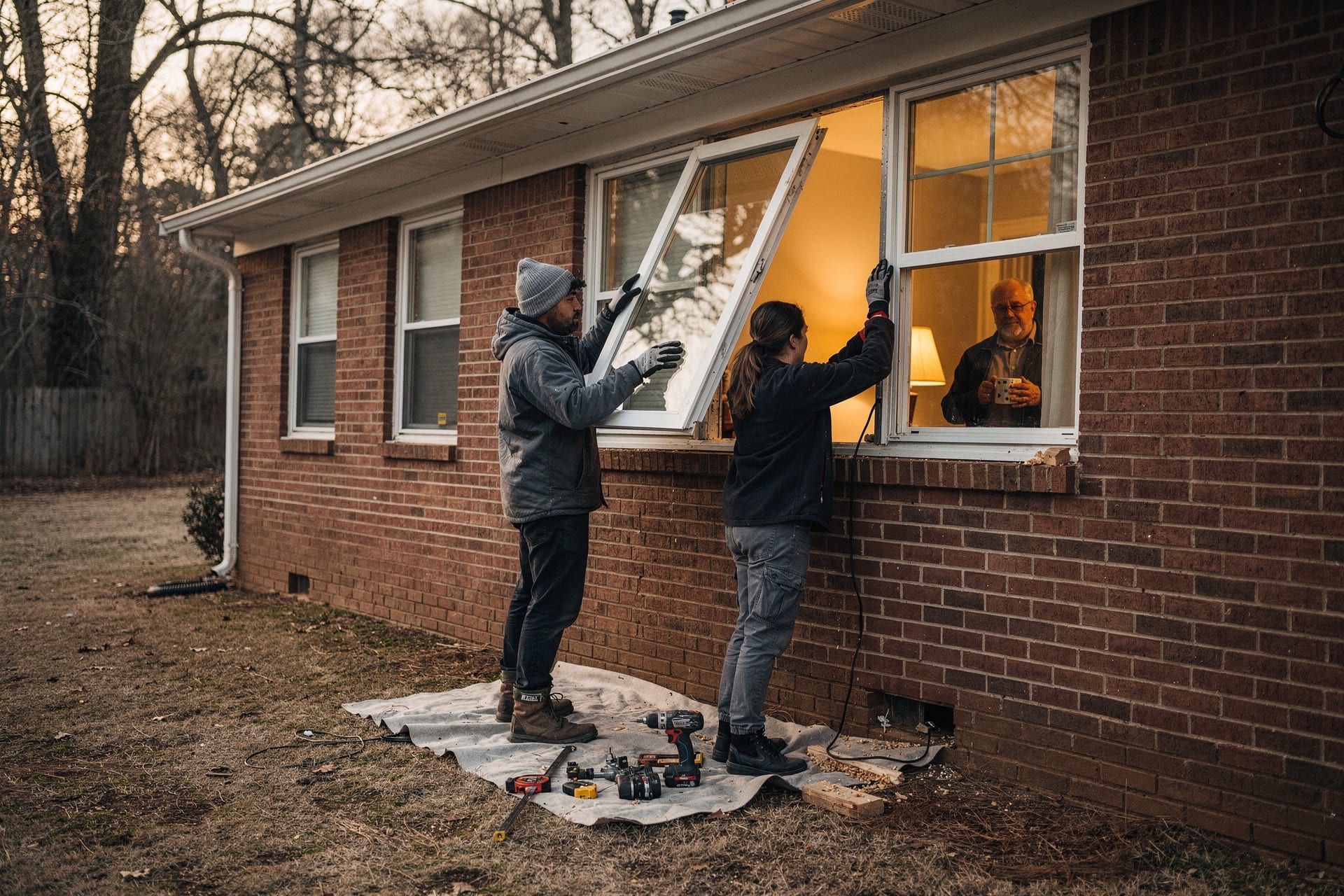
What happens at each opening — the flashing, the shimming, the low-expansion foam, the sealing — is identical in any month. That’s its own page: what actually happens on install day. And the craft mattering more than the calendar is the whole installation story in one sentence.
Season by season: what actually changes in NC
Nothing about the finished window — a good install performs the same whatever month it went in. What changes is the experience of getting there.
| Season | Install reality | Price & lead time | NC note |
|---|---|---|---|
| Spring | Easy temps, easy cure conditions | Demand climbing — quotes signed now often land in summer | The classic shoulder season; summer's queue is already forming |
| Summer | Fully workable, but each open wall trades air with the yard | Peak demand — fuller schedules, firmer pricing | Heat and humidity are NC's real seasonal constraint, not cold |
| Fall | Mild temps, friendly cure conditions | The other busy shoulder — book ahead | On the coast, the back half of hurricane season is a scheduling factor |
| Winter | Workable with cold-rated sealant, frost-free surfaces, and slower cure | Softest demand — installers publish their deepest promos now | Piedmont winters are mild: closer to a shoulder season than a shutdown |
| The honest read | Any season a good crew works | Start 3–6 months before the season you want | The crew and the lead time beat the calendar, here and everywhere |
Spring
- Install reality
- Easy temps, easy cure conditions
- Price & lead time
- Demand climbing — quotes signed now often land in summer
- NC note
- The classic shoulder season; summer's queue is already forming
Summer
- Install reality
- Fully workable, but each open wall trades air with the yard
- Price & lead time
- Peak demand — fuller schedules, firmer pricing
- NC note
- Heat and humidity are NC's real seasonal constraint, not cold
Fall
- Install reality
- Mild temps, friendly cure conditions
- Price & lead time
- The other busy shoulder — book ahead
- NC note
- On the coast, the back half of hurricane season is a scheduling factor
Winter
- Install reality
- Workable with cold-rated sealant, frost-free surfaces, and slower cure
- Price & lead time
- Softest demand — installers publish their deepest promos now
- NC note
- Piedmont winters are mild: closer to a shoulder season than a shutdown
The honest read
- Install reality
- Any season a good crew works
- Price & lead time
- Start 3–6 months before the season you want
- NC note
- The crew and the lead time beat the calendar, here and everywhere
Two NC specifics deserve one more line each.
Summer’s constraint is the one nobody warns you about: heat, not cold. One manufacturer’s own regional advice notes that high summer heat can make sealants dry too quickly, compromising installation quality — the summer-side mirror of the winter warnings. Add NC humidity and an open wall bleeding conditioned air, and July earns its “busy but not ideal” reputation honestly.
On the coast, the calendar has one real red zone. Atlantic hurricane season runs June 1 through November 30, and exterior work in the back half of it deserves storm-aware scheduling. Scheduling around storms is not storm protection, though — impact-rated windows are their own subject.
Spring and fall also win the small unglamorous category owners actually mention: fewer bugs wandering in while the openings are open.
What is the cheapest time of year to replace windows?
Usually the off-season — late fall through winter — and the installers themselves say so: that’s when they publish their deepest promotions. Just keep the discount in scale.
The pattern is easy to check because it’s advertised, not leaked: winter promos, often running December into late winter, sometimes with financing offers attached. Softer demand, softer prices — the owners in every forum thread on this topic assume it, and the promo calendars back them up.
What I won’t do is put a number on the discount, because the honest number moves by company and by year. Treat the off-season as a real but modest thumb on the scale — worth timing if your project is flexible — not a different price class.
Because two levers reliably move a quote more than any month does:
- Multiple itemized quotes. Three or more, compared line by line. This is the single most repeated piece of advice from owners who’ve been through it, and they’re right — here’s how to read what you get back.
- Asking the number to move. In one long forum thread about a 21-window order, a contractor’s best advice had nothing to do with months: have the order re-bid and watch it come down. The channel and the negotiation are bigger levers than the calendar.
And the teaser offers — “$99 windows,” “free windows”? Those are financing structures and lead hooks wearing a price tag. Nothing sinister, but the number that matters is the full itemized one, and here’s how window financing actually works so you can read the fine print like a pro.
The season you sign isn’t the season they install
Replacement windows are built to order. Owners report eight to twelve weeks between signing and install — sometimes longer — so the month you’re choosing is the month you start, not the month the crew shows up.
The forum record on this is remarkably consistent. One owner ordered in November and wasn’t installed until months later. Another signed in early May and watched the install land in mid-October. The build time in between is invisible from the outside, and it’s the thing that actually sets your schedule.
That’s why even manufacturers’ own planning advice says to start shopping three to six months before your preferred install window. Want the job done in October’s mild weather? You’re a spring shopper. Chasing a winter promo? Your install may land in spring — which, in NC, is a perfectly good outcome.
One practical question ties this whole page together: ask when your price locks — at signing or at install — before you time anything around a promo. A promo you sign during and install after is the off-season’s best version.
The short version
You don’t need to outsmart the calendar. You need to know what it actually controls — and start early.
- Any season works. Crews install windows in North Carolina year-round, and the finished window doesn’t know what month it went in.
- What varies: price and lead time (softest in winter), comfort (easiest in spring and fall), and summer heat plus humidity — NC’s real seasonal constraint.
- The sealant fact worth keeping: professional window sealant is application-rated from 0°F to 140°F. The 40-degree rule belongs to the consumer caulk aisle.
- The bigger lever: start 3–6 months before the season you want. The build wait, not the weather, sets your schedule.
If you’re trying to land an install in a particular season — or deciding whether a promo is worth planning around — that’s a five-minute timing conversation, no pressure attached. And whatever the month, the job should cost the same honest number: here’s what replacement windows cost in NC.
Sources, Verification & Fact-Checking verified July 2026
Every load-bearing fact on this page is sourced and verified against a primary authority.
Verified July 2026 via direct review of the cited authority — the links open the controlling source so you can check it yourself rather than take our word.
- Professional window-and-door sealant is application-rated from 0°F to 140°F (−18°C to 60°C), with cold-weather conditions attached: the substrate must be free of ice, snow, or frost, and full cure runs 24–72 hours depending on temperature, humidity, and joint depth. Taken verbatim from the manufacturer’s technical data sheet for OSI QUAD MAX window, door & siding sealant (Henkel, TDS revised January 2025). (OSI QUAD MAX technical data sheet — Henkel)
- Consumer acrylic latex caulk carries the 40-degree rule: apply in temperatures above 40°F, and not when rain or freezing temperatures are forecast within 24 hours. From the manufacturer’s technical data sheet for DAP ALEX PLUS acrylic latex caulk plus silicone — the source of the folk rule this page distinguishes from pro products. (DAP ALEX PLUS technical data sheet)
- Year-round installs, the one-window-at-a-time cold-weather method, winter price wiggle room paired with harder caulking, foam behavior in sub-zero dry air, and 8–12-week build waits (including a May signing that installed in October) are attributed accounts from working installers and homeowners in public forum threads, reported here as attributed experience — not as market data. (r/homeowners — “Best time to buy windows?” · r/HomeImprovement — 21-window order thread)
- Winter is when installers publish their deepest promotions, and high summer heat can make sealants dry too quickly, compromising installation quality. Both attributed to the companies’ own published pages, read live in July 2026 — a national installer’s promotional calendar (best sales and financing offers running December into late winter) and a window manufacturer’s regional guidance for warm climates. Stated qualitatively by design, with no discount magnitudes.
- NC’s mild winters carry a number — the average January high is 49–52°F across Greensboro, Raleigh, and Charlotte (1991–2020 climate normals) — and the Atlantic hurricane season runs June 1 through November 30. January normals pulled from NOAA’s National Centers for Environmental Information station data for Piedmont Triad, Raleigh-Durham, and Charlotte Douglas airports; hurricane-season dates from the National Hurricane Center. (U.S. Climate Normals — NOAA NCEI · Tropical cyclone climatology — NOAA National Hurricane Center)
- The 3–6-month planning lead is manufacturers’ own planning advice — a national manufacturer’s buying guide, read live in July 2026, says to begin planning three to six months before your preferred installation date — not a measured average; the build-wait ranges above are owner-reported. No per-window install-duration figures are restated here — the install day itself lives on the what-to-expect page.