

The quote says triple-pane, the upgrade line says thousands, and your gut says “do I actually need this?” In North Carolina, that’s the right question.
When someone shows me a triple-pane line item, my first question isn’t about the glass at all. It’s “what do you hear at night?”
That question sorts this decision faster than any energy chart. In NC, the third pane is really two different purchases wearing one price tag: an energy upgrade that rarely moves your bill enough to notice, and a comfort-and-quiet upgrade that some rooms genuinely deserve.
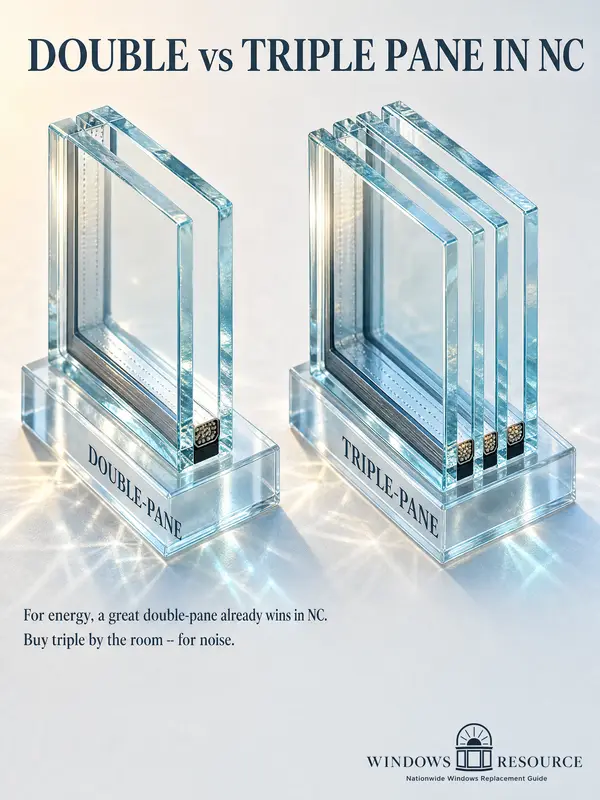
Double or triple pane in North Carolina? For energy: a good double-pane — strong Low-E, argon fill, warm-edge spacer — is the NC sweet spot. For noise-exposed rooms: triple-pane, or laminated glass, can be worth it. Buy it by the room, not the house.
The quick verdict: pick double or triple by the job
Stay with a good double-pane for the energy question. Consider triple where quiet and cold spots are the real complaint. Here’s the short version:
- Stay with double if… your goal is summer comfort and reasonable bills. A quality double-pane with the right glass package already handles NC’s real enemy — solar heat.
- Consider triple if… a room faces a busy road or flight path, or you feel cold radiating off the glass in the rooms you actually sit in.
- Consider it per room, not per house. Triple on the loud side, a great double everywhere else, is a spec I’d stand behind.
A word on the mountains: it’s tempting to assume Boone or Asheville needs a different answer than Raleigh — colder nights, right? Partly.
Checking the official ENERGY STAR climate-zone finder county by county, the western mountain towns (Boone/Watauga, Asheville/Buncombe) land in the North-Central zone — not the South-Central zone that covers the Piedmont and the coast. North-Central asks for a slightly tighter U-Factor: 0.25 or lower, versus 0.28 for the rest of the state.
That’s a real difference, but a small one — and it still doesn’t force you to a third pane. A quality Low-E, argon-filled double-pane can hit U ≤ 0.25; you just want to confirm the number lands there before you buy in the mountains, rather than assume it.
(Don’t confuse any of this with the building-code IECC map, which splits NC into a colder mountain tier for insulation — a different map entirely.)
So there’s no blanket mountain exception toward triple-pane on energy grounds. The mountains ask for a tighter double-pane, not a third pane. A specific cold, exposed lot can still make its own case on comfort — but that’s the per-room call, not a regional one.
What does the third pane actually change?
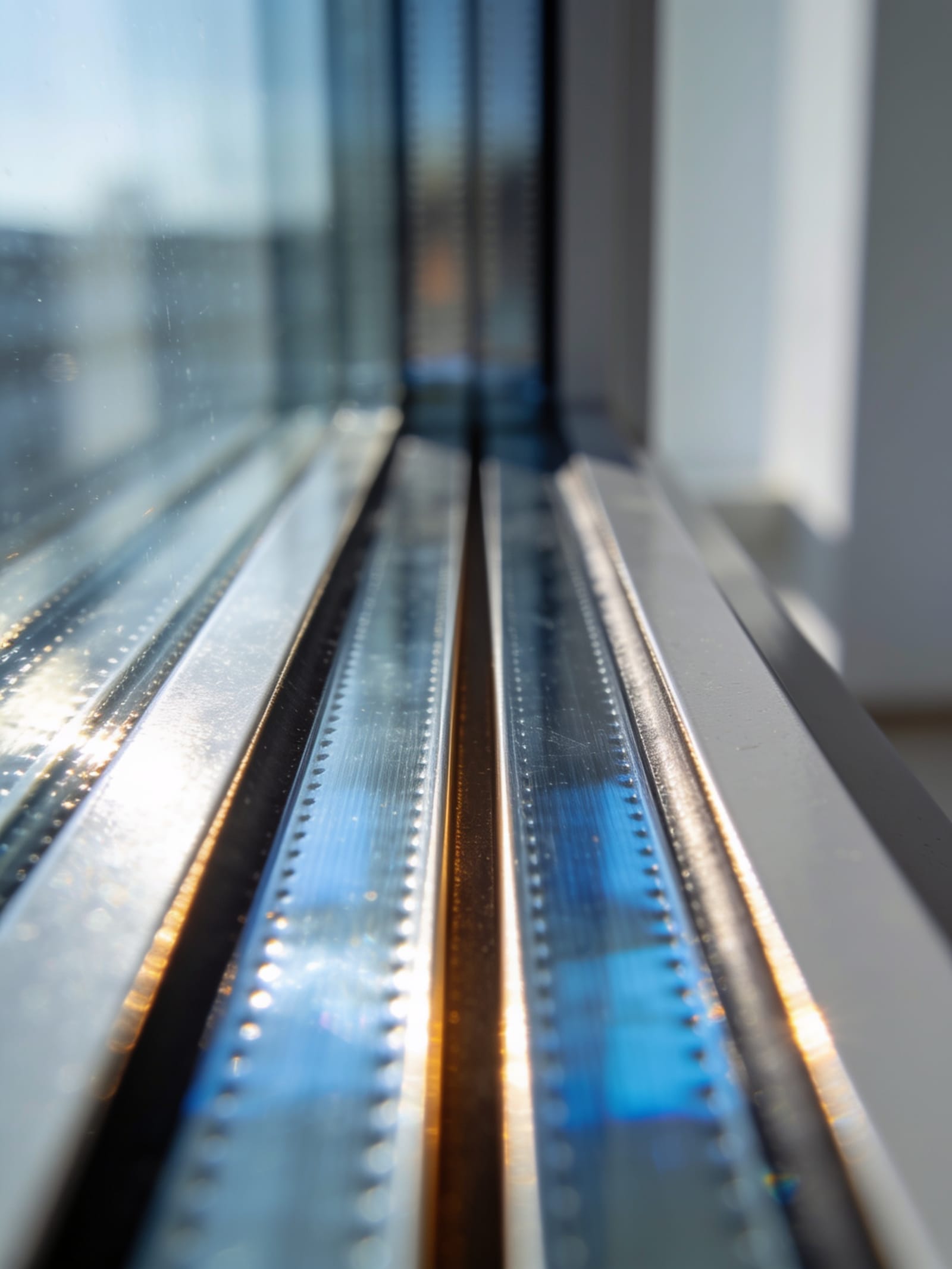
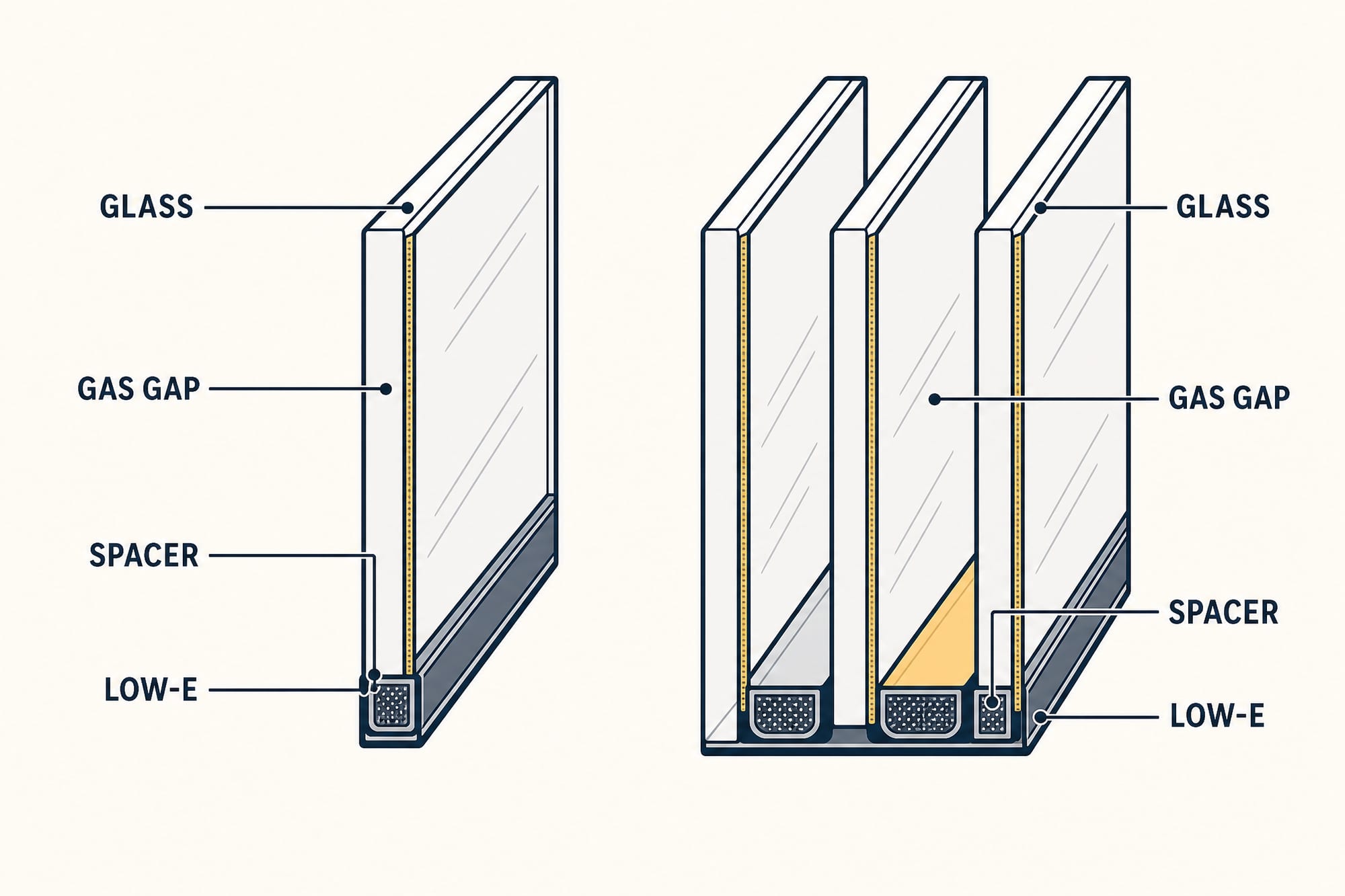
One more pane and one more sealed gas gap: lower U-Factor, more mass, more weight. A double-pane window is an — two panes around a sealed, argon-filled gap. A triple adds a third pane and a second gap, so heat has one more still-gas layer to cross and sound has one more mass change to fight through.
There’s a wrinkle inside that thicker sandwich. Three panes in the same frame depth means each gap gets narrower, and argon needs a certain gap width to do its best work.
That’s why many triples use krypton — a denser gas that suits thin gaps — in at least one cavity. It works. It also costs more.
The weight is worth a sentence too. A third pane makes every sash noticeably heavier, and the hinges, balances, and locks carry that load for the life of the window.
Quality lines are built for it. It’s still one more reason the third pane should be a deliberate choice, not a default checkbox.
| Factor | Good double-pane (Low-E + argon + warm-edge) | Triple-pane |
|---|---|---|
| Upfront cost | The baseline | Roughly 10–25% more |
| NC energy effect | Hits ENERGY STAR South-Central targets (U ≤ 0.28, SHGC ≤ 0.23) | Lower U-Factor still — but past the point NC's mild winters reward |
| Noise | Helps some | Roughly 5–8 dB quieter; laminated glass competes here |
| Comfort / cold spots | Good with a warm-edge spacer | Best — warmest interior glass surface |
| Weight / hardware wear | Standard sashes, standard hardware | Heavier sashes work hinges and balances harder |
| Seal-life stakes | One sealed unit to keep healthy (about 10–20 yr typical seal life) | Two sealed gaps riding on the same seal physics |
Upfront cost
- Good double-pane (Low-E + argon + warm-edge)
- The baseline
- Triple-pane
- Roughly 10–25% more
NC energy effect
- Good double-pane (Low-E + argon + warm-edge)
- Hits ENERGY STAR South-Central targets (U ≤ 0.28, SHGC ≤ 0.23)
- Triple-pane
- Lower U-Factor still — but past the point NC's mild winters reward
Noise
- Good double-pane (Low-E + argon + warm-edge)
- Helps some
- Triple-pane
- Roughly 5–8 dB quieter; laminated glass competes here
Comfort / cold spots
- Good double-pane (Low-E + argon + warm-edge)
- Good with a warm-edge spacer
- Triple-pane
- Best — warmest interior glass surface
Weight / hardware wear
- Good double-pane (Low-E + argon + warm-edge)
- Standard sashes, standard hardware
- Triple-pane
- Heavier sashes work hinges and balances harder
Seal-life stakes
- Good double-pane (Low-E + argon + warm-edge)
- One sealed unit to keep healthy (about 10–20 yr typical seal life)
- Triple-pane
- Two sealed gaps riding on the same seal physics
The energy math in NC (the honest part)
Triple-pane costs roughly 10–25% more, and in NC’s mild winters the energy payback can stretch 15–30+ years — often longer than the seal’s own working life. Sealed units typically live somewhere in the 10-to-20-year range before the edge seal gives out.
Here’s the part that matters more: NC’s real enemy is summer solar heat gain, not deep-winter heat loss. Fighting solar gain is coating work — the layer and the number — and a good double-pane package already does it. The third pane mostly improves U-Factor, the winter number, which NC leans on least.
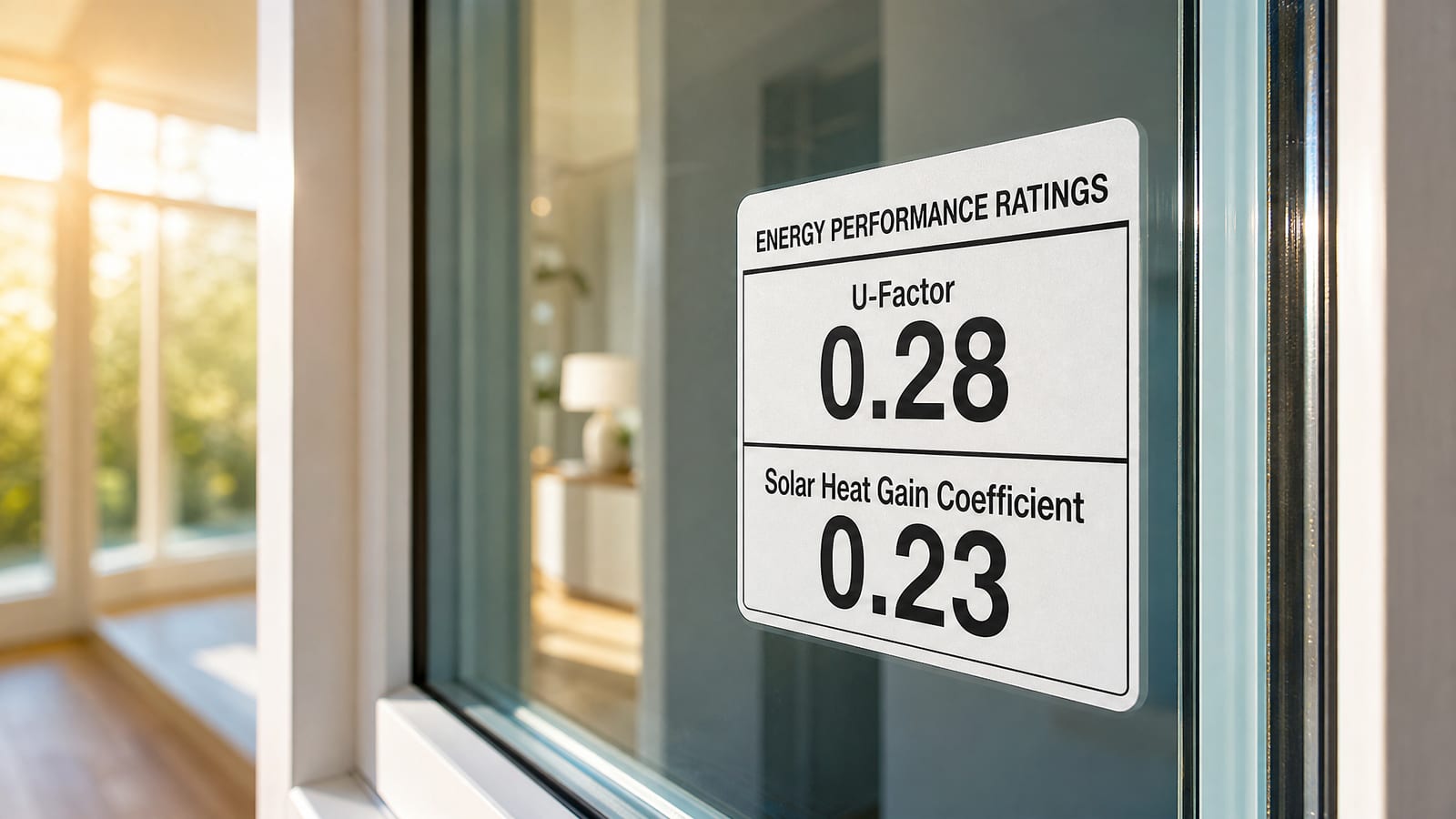
For context: ENERGY STAR’s South-Central zone — most of NC — asks for a U-Factor of 0.28 or lower and an SHGC of 0.23 or lower. A quality Low-E double-pane hits both.
If you want to read those numbers off a label yourself, here’s how to read these ratings.
You’ll see competitor pages claim triple-pane “saves 20–30% on energy bills.” That number is real, but it’s answering a different question than the one on your mind. Here’s what the “20–30%” actually measures, and what it doesn’t:
- What it is: the window’s own efficiency rating. Independent comparisons do show triple-pane running roughly 20–30% more efficient than double-pane on the rating, and in cold-climate studies, triple-pane homes have used meaningfully less energy for heating and cooling.
- What it is NOT: your total household energy bill dropping 20–30%. Research comparing modern double- and triple-pane windows puts the realistic bill impact in the low single digits — closer to 2–3% of total energy costs — because windows are one piece of a house’s energy picture, and a good double-pane was already doing most of the job.
- What it’s usually compared to: old single-pane or poorly-rated windows — not the quality Low-E double-pane this page recommends.
The noise question (where triple earns it)
A third pane buys roughly 5 to 8 decibels of noise reduction — a difference you hear — and that’s its most honest selling point in NC. Ask for the (or ) rating to compare windows on noise, the same way U-Factor compares them on heat.
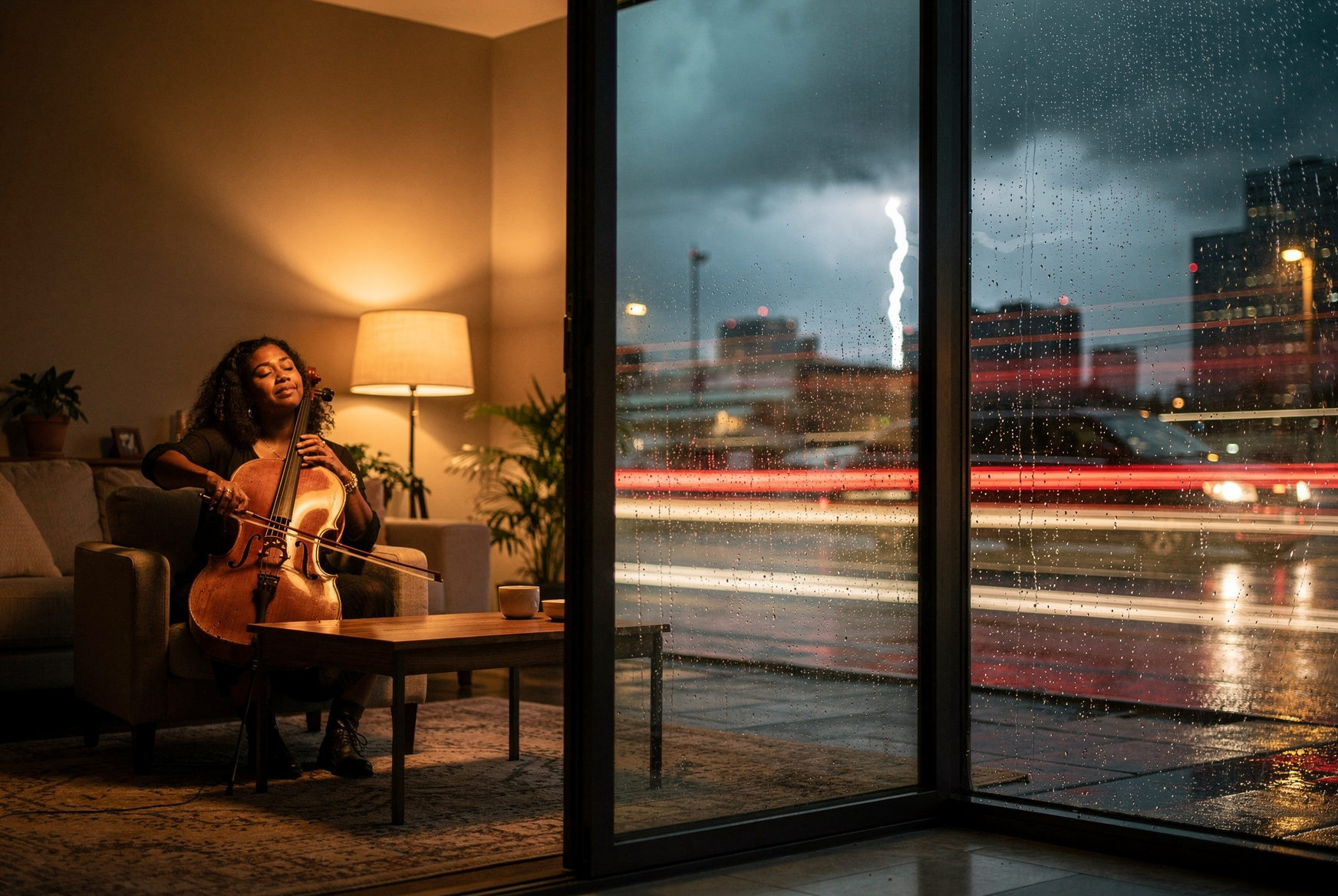
If your bedroom faces a four-lane road, that’s not a luxury. That’s sleep.

But if quiet is the whole reason you’re shopping, slow down before you pay for pane count. Laminated glass — two panes bonded around a sound-damping interlayer — and asymmetric gap designs compete hard with a third pane on noise, often for less money.
That’s a different decision with its own page: laminated glass vs a third pane for sound.
The honest sort: triple-pane buys quiet and warmth at the glass. Laminated buys quiet specifically. Know which job you’re hiring for.
NC homeowner takeaway: if you’ve read that triple-pane is “always the better window,” that idea isn’t wrong everywhere — in Minnesota it’s often right. What holds in North Carolina is the comfort half: quieter rooms, warmer glass. What doesn’t hold is the energy half, because our climate asks the glass a different question. Keep the instinct, redirect it to the rooms that earn it.
What’s the cost difference, in practice?
Plan on roughly a 10 to 25 percent premium over a comparable double-pane window — or, in national market bands, often a few hundred dollars more per window. Where your project lands inside that range depends on the frame line, the gas fill (krypton costs more than argon), and how many openings you’re upgrading.
As a rough national anchor, a standard-size double-pane window installed commonly runs somewhere in the $450–$1,200 range, and a comparable triple-pane commonly runs somewhere in the $850–$1,200+ range for the same size. So the gap per window is frequently in the low hundreds of dollars, though wide-format or premium-frame windows can push it higher.
These are national figures, not an NC quote — get the actual per-opening delta on your itemized bid.
I’d resist letting the glass decision balloon into a whole-project rebid. The bigger cost levers — frame material, install type, window count — live on the cost side of the decision, and the frame half of the choice usually moves the total more than the third pane does.
Which rooms are worth it? (the per-room buy)
Triple-pane is a room-by-room purchase in North Carolina, and the shortlist is short. Walk the house and ask what’s outside each window:
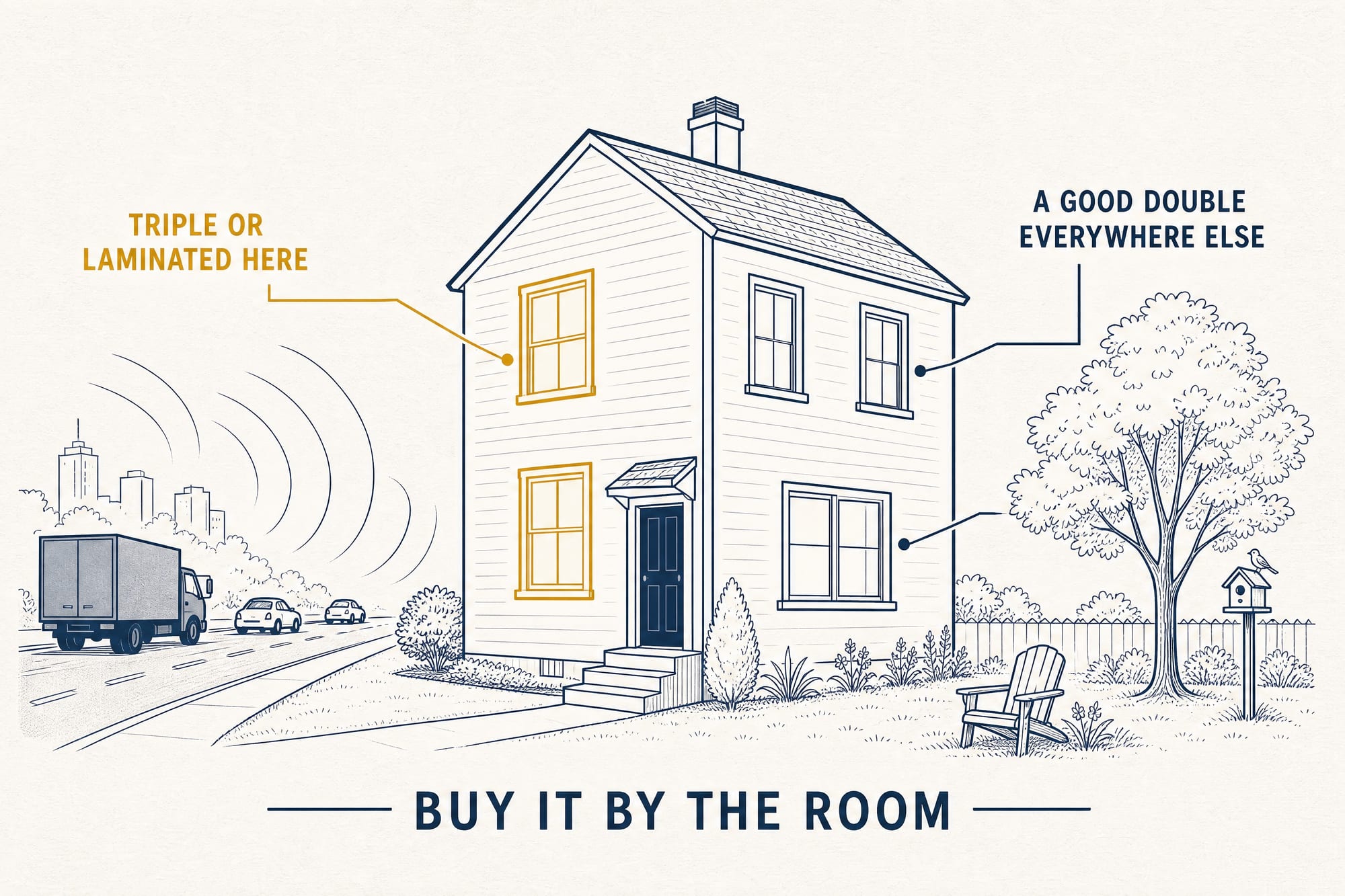
- The street-facing bedroom. Traffic noise at 2am is the single best argument for a third pane — or laminated glass — in this state.
- The flight-path or rail-line side. Same logic, louder source. This is where that 5–8 dB actually changes your evenings.
- The west wall you live in. If you feel cold pouring off the glass in January in the one room you sit in every night, the warmest-glass option is a fair comfort buy. Just buy it for that room.
- Everywhere else: a great double. Low-E, argon, warm-edge spacer. That package is the NC workhorse, and mixing specs by elevation is normal — any competent installer can quote it that way.
If a quote only offers triple as all-or-nothing, ask for the mixed version in writing: triple or laminated on the openings you name, the good double package on the rest. It’s a routine request.
The itemized answer also shows you exactly what the third pane costs per opening, which makes the whole decision smaller and calmer.
Nobody hands out a prize for the most panes. The prize is a quiet bedroom, a comfortable chair by the glass, and a budget that went where the problems were.

If you’re staring at a quote with a triple-pane upgrade line and you’re not sure which rooms deserve it, that’s a five-minute conversation. Tell me what you hear at night and which way your worst window faces — get a no-pressure second opinion on your quote and spec it room by room, confident either way.
Sources, Verification & Fact-Checking verified July 2026
Every load-bearing fact on this page is sourced and verified against a primary authority.
Verified July 2026 via direct review of the cited authority — the links open the controlling source so you can check it yourself rather than take our word.
- A double-pane window is an insulated glass unit (IGU): panes separated by a sealed, gas-filled gap; a triple-pane adds a third pane and a second gap. Inert gas fills (argon; krypton for thin gaps) insulate better than air, and the Low-E coating handles radiant heat. (view source — U.S. Dept. of Energy, Building Science Education)
- ENERGY STAR window targets for NC’s primary (South-Central) climate zone (Version 7.0, effective Oct 2023): U-Factor ≤ 0.28, SHGC ≤ 0.23. A good Low-E double-pane meets these without a third pane. (view source — ENERGY STAR criteria)
- The NFRC label is the independent, standardized rating for comparing U-Factor and SHGC across windows apples-to-apples. (view source)
- Triple-pane typically costs roughly 10–25% more than double-pane (nationally, often a few hundred dollars more per standard-size window — roughly $450–$1,200 double-pane vs. roughly $850–$1,200+ triple-pane, installed); in mild/southern climates the energy payback can stretch well beyond a decade; its reliable gains are noise reduction (on the order of 5–8 dB; compare windows by their STC/OITC rating) and fewer cold spots. National cost-guide ranges, not an NC quote (view source — Angi window replacement cost guide)
- Typical sealed-unit (IGU) seal life runs roughly 10–20 years, varying by unit quality, install, and climate. (view source — ENERGY STAR)
- “Triple-pane saves 20–30% on energy” claims measure the window’s own efficiency rating versus double-pane, not a total household energy-bill drop. Realistic total-bill impact of upgrading a modern double-pane to triple-pane is commonly in the low single digits (roughly 2–3%); larger double-digit savings claims typically compare triple-pane against old single-pane or low-performance windows, not against a quality Low-E double-pane. Grounded in current cost/efficiency references; ENERGY STAR South-Central criteria above are the relevant NC baseline either way. Figures hedged pending a linked public source.
- North Carolina spans two ENERGY STAR window zones, confirmed county-by-county on the official finder (effective Oct 2023): most of the state (Piedmont/coast — e.g., Guilford, New Hanover) is South-Central (U ≤ 0.28, SHGC ≤ 0.23), while the western mountains (Watauga/Boone, Buncombe/Asheville) are North-Central (U ≤ 0.25, SHGC ≤ 0.40). This is a different map than the IECC building-code climate zones. Even so, no blanket triple-pane energy exception applies to the mountains — North-Central’s tighter U ≤ 0.25 is reachable with a quality Low-E double-pane. (view source — ENERGY STAR Climate Zone Finder)